
Ever wake up scratching at mysterious bites but spot no bed bugs? You’re definitely not alone. In the UK, it’s not just bed bugs—mosquitoes, fleas, midges, and even mites can be the culprits.
Figuring out what’s biting you really comes down to checking the type of bite and where it shows up on your skin.
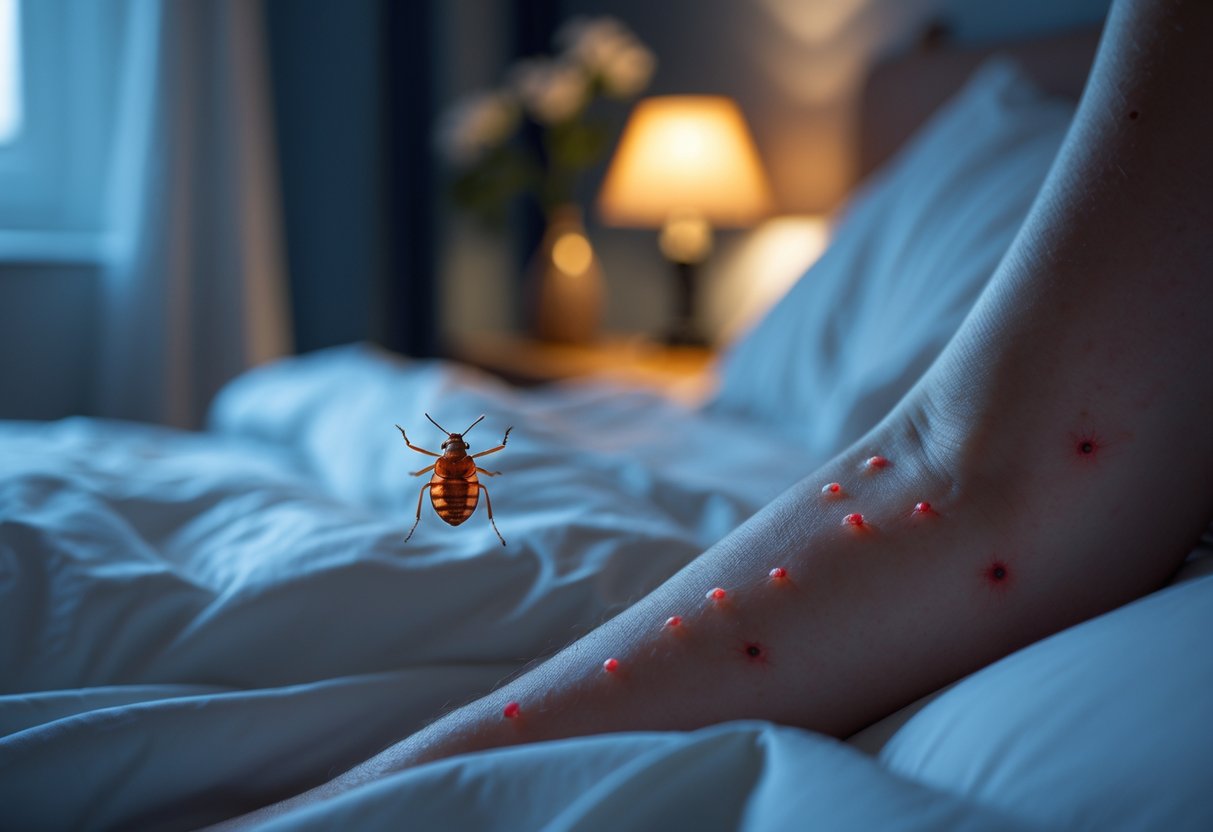
These bugs all have their own habits. Some bite in clusters, others leave just a few red marks here and there.
Knowing which insects are active at night helps you get some relief—and hopefully sleep better.
Honestly, you might be surprised at how many little creatures can nibble on you while you’re trying to rest. Learning a bit about them could save you a lot of hassle.
Curious about what’s most common in the UK and how to deal with it? Let’s dive in.
What is biting me at night not bed bugs UK? Common Causes Explained
Common Night-Time Biting Insects in the UK

If you wake up itching, several bugs could be to blame. Each one bites in its own way.
Knowing the differences makes it much easier to get rid of them.
Bed Bugs
Bed bugs are tiny, flat, and reddish-brown. They hide out in mattresses, bed frames, and furniture.
They come out at night and feed on your blood while you sleep. Their bites often show up in lines or clusters, leaving red, itchy spots.
You might bring bed bugs home from second-hand furniture or even on your clothes after visiting an infested spot.
Bed bug bites don’t usually spread disease, but they can make you lose sleep and feel uncomfortable. Watch for small blood stains or dark spots on your bedding as clues.
Fleas and Flea Infestations
Fleas are tiny jumpers, and pets like cats or dogs often bring them inside. They tend to bite around your feet, ankles, and lower legs.
Flea bites look like small, red bumps and itch a lot—sometimes they even blister.
If you spot flea bites, check your pets and your home for signs of fleas. They multiply quickly, so you’ll want to treat both your animals and your living space.
Proper cleaning and pest treatments usually sort things out.
Mosquitoes and Midges
Mosquitoes and midges are small, flying insects that bite exposed skin. They’re most active at dawn or dusk, but sometimes they’ll bite at night, too.
Mosquito bites are raised, red, and super itchy. Midge bites can burn or sting and might swell up.
Mosquitoes can carry diseases like malaria, though that’s rare in the UK. Midges don’t spread serious illnesses but can be a real nuisance, especially near water or damp areas.
Try keeping your windows closed or put up nets to keep them out at night.
Mites, Ticks, and Spiders
Mites are tiny and live in humid spaces or animal nests. Their bites cause small, itchy red spots.
Ticks are bigger and can latch onto your skin if you’ve been outside in grassy or wooded areas. Their bites might cause a red rash and can carry Lyme disease.
If you find a tick, remove it as soon as possible and check for symptoms. Spiders rarely bite in the UK, and when they do, it’s usually mild—just a bit of redness or itching.
If you notice a tick bite, a weird rash, or flu-like symptoms, it’s smart to see a doctor.
For more info on biting bugs in the UK, check out this biting bugs guide.
How to Identify and Treat Night-Time Bites

Waking up with itchy or sore marks? It helps to know what different bites and stings look like.
Knowing what to do right away and when to get help can really make a difference. Simple home treatments and some prevention can spare you a lot of trouble.
Typical Bites and Stings Symptoms
Different bugs leave different clues. Mosquito bites show up as small, raised, red bumps that itch.
Flea bites usually show up in clusters around your ankles or legs. Bed bug bites often appear in lines or groups on skin that’s not covered while you sleep.
Wasps, hornets, and red ants cause stings that hurt and swell fast. Their stings make a red, swollen spot with sharp pain.
Ant bites sometimes leave tiny blisters.
Pay attention if the marks are spreading, extra painful, or mostly in one spot. That can help you figure out what’s biting you.
Immediate Bite and Sting Relief
As soon as you notice a bite or sting, press an ice pack wrapped in cloth onto the area. That helps with swelling and pain.
Try to avoid scratching, even if it’s tempting—it can lead to infection.
Over-the-counter creams like hydrocortisone or calamine can calm the itching. Taking an antihistamine can also help with swelling and itchiness.
If it hurts, you can use paracetamol or ibuprofen—just follow the directions on the box.
Wash the bite area with soap and water to stop infection. If you see pus or the redness gets worse, it’s a good idea to talk to a doctor.
Managing Allergic Reactions and When to Seek Help
Some people react badly to stings or bites. Watch out for big swelling, trouble breathing, dizziness, or a rash that spreads fast.
These could mean anaphylaxis, which is an emergency.
If you know you’re allergic, keep an EpiPen nearby and use it if you get stung.
For milder reactions, antihistamines and cold compresses usually help. But if things get worse after a day, or you run a fever, definitely see a doctor.
Take stings from wasps, hornets, or red ants seriously if symptoms don’t start to get better.
Prevention and Professional Pest Control
Try using insect repellent with DEET on your skin and clothes—it really helps keep bugs off. Check that your windows and doors have snug screens so insects can’t sneak inside.
Keep your sleeping area tidy. Take a quick look at beds, sofas, and even your pet’s bedding for any signs of fleas or bed bugs.
If you keep finding bugs or bites even after all that, maybe it’s time to call professional pest control. These folks know how to get rid of infestations and actually stop the problem where it starts.
Set up regular checks and basic pest management. That way, you’re less likely to wake up scratching at new bites.


