
So, you just got stung by a wasp and you’re eyeing that glass of wine or cold beer. Will it help, or make things worse? Technically, you can drink alcohol after a wasp sting, but honestly, it’s not a great idea. Alcohol speeds up your blood flow and could push the venom through your body faster.
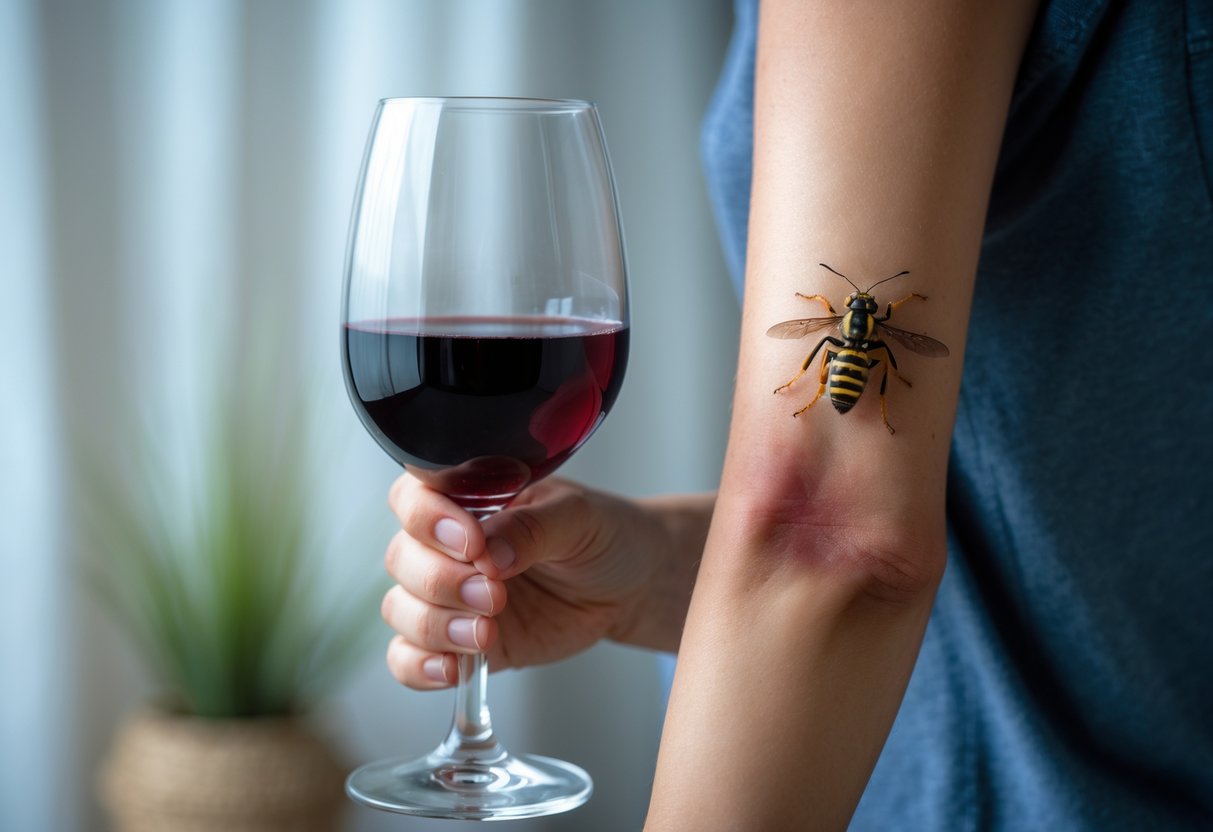
It’s tempting to reach for a drink to take the edge off, but alcohol might just ramp up the swelling or inflammation. Instead, try cleaning the sting and slap on a cold compress to calm things down.
If you know what to do after a sting, you’ll likely feel better sooner—and maybe avoid bigger problems. So, what should you actually do (and not do) if a wasp stings you?
Should You Drink Alcohol After a Wasp Sting?

When a wasp stings you, your body jumps into action. It releases chemicals like histamines, which cause swelling and pain.
If you drink alcohol, you change how your body handles that venom and the inflammation. That’s worth thinking about before you pour a drink.
How Alcohol Affects Wasp Sting Reactions
Alcohol boosts your blood flow. This pushes the venom from the sting through your body more quickly.
You might notice pain, swelling, or redness spreading faster or getting worse. That’s not exactly what you want after a sting.
Alcohol also takes a toll on your immune system. Your body works hard to fight off the venom and heal the area, but alcohol can slow this down.
If you got stung by a yellow jacket or another aggressive wasp, the effects might hit you even harder. Their venom can trigger more intense reactions.
Potential Risks and Complications
Drinking after a sting can make inflammation worse around the sting spot. You might find the pain and swelling stick around longer than you’d like.
If you’re taking antihistamines or painkillers, alcohol could mess with how they work. Sometimes, it even causes side effects you didn’t bargain for.
In rare cases, spreading venom and more inflammation could increase your risk of a serious reaction. This is especially true if you got stung multiple times or react strongly to wasps.
Alcohol and Allergic Responses
Some people have allergic reactions to wasp stings. These can show up as trouble breathing, dizziness, or swelling all over.
Alcohol can make these allergic symptoms worse. It increases blood flow and spreads venom or histamines faster.
Not sure how your body reacts to stings? It’s safest to skip alcohol until you know for sure you’re not allergic.
If you already know you’re allergic to yellow jackets or other wasps, don’t drink alcohol after a sting. If you notice any serious symptoms, get medical help right away.
For more info, you can check out this guide on drinking alcohol after a wasp sting.
Safe Steps and Alternatives After a Wasp Sting
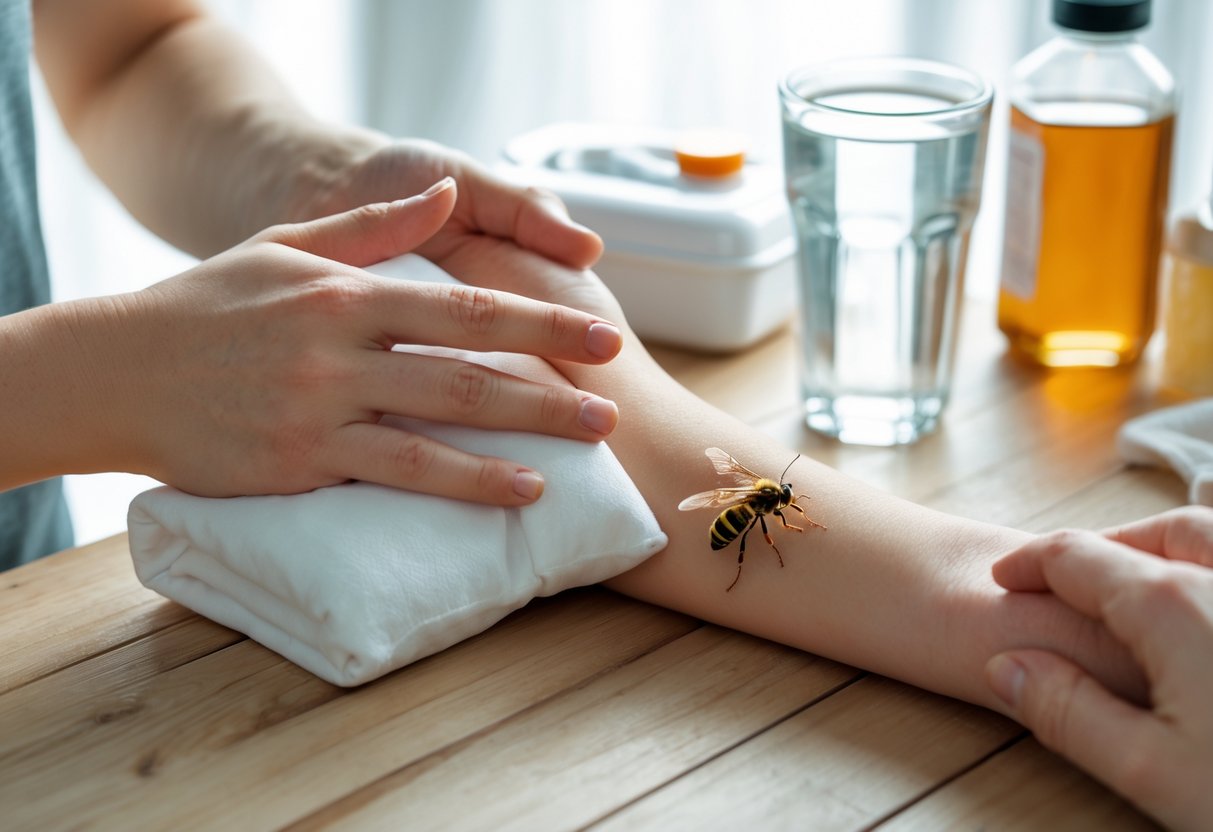
Act quickly and carefully after a wasp sting. You want to ease the pain, stop the swelling, and keep the venom from spreading.
It helps to know the right first aid, which medicines to use or avoid, and how wasp stings differ from hornet or bee stings.
Recommended First Aid Measures
Start by washing the sting gently with soap and water. This gets rid of dirt and lowers the risk of infection.
Next, grab a cold compress or ice wrapped in a cloth and press it to the spot for about 10-15 minutes. That’ll help with pain and swelling.
Try not to scratch or rub the sting. If it’s itchy, you can mix baking soda and water into a paste and put it on the area.
Over-the-counter alcohol wipes work fine to clean the skin, but don’t drink alcohol. It’ll just speed up venom spread by boosting blood flow.
Keep an eye out for allergic reactions. If you see severe swelling, can’t breathe well, or feel dizzy, get medical help right away.
Medications to Use and Avoid
For pain and swelling, you can take ibuprofen or acetaminophen. These usually help with discomfort and inflammation.
Antihistamines like diphenhydramine (Benadryl) can calm itching and swelling. Hydrocortisone creams may also help with irritation right where you got stung.
Skip the alcohol after a sting. It can make swelling worse or spread venom faster. Also, be careful if you’re on other meds—alcohol might mess with them or cause weird side effects.
If pain or swelling hangs around, or you think the sting’s infected, it’s smart to check in with a doctor.
Differences Between Wasp, Hornet, and Bee Stings
Wasp, hornet, and bee stings might seem similar at first, but there are some key differences.
Wasps and hornets can sting you more than once. Their stingers don’t stick in your skin, so they just keep going if they want.
Their venom usually brings a sharper burning feeling and, honestly, tends to cause more swelling than bee stings.
Bees, on the other hand, leave their stinger behind. If you don’t remove it fast, it keeps pumping in venom.
The pain from a bee sting often stays in one spot and doesn’t swell up as much.
If you know these differences, you can react better—and maybe avoid a bigger problem, especially if allergies are involved.


