
If a bee stings you, you probably want relief as soon as possible. The fastest way to deal with a bee sting is to quickly remove the stinger, then put ice on the area to cut down on pain and swelling. This stops more venom from getting into your skin and slows the reaction.
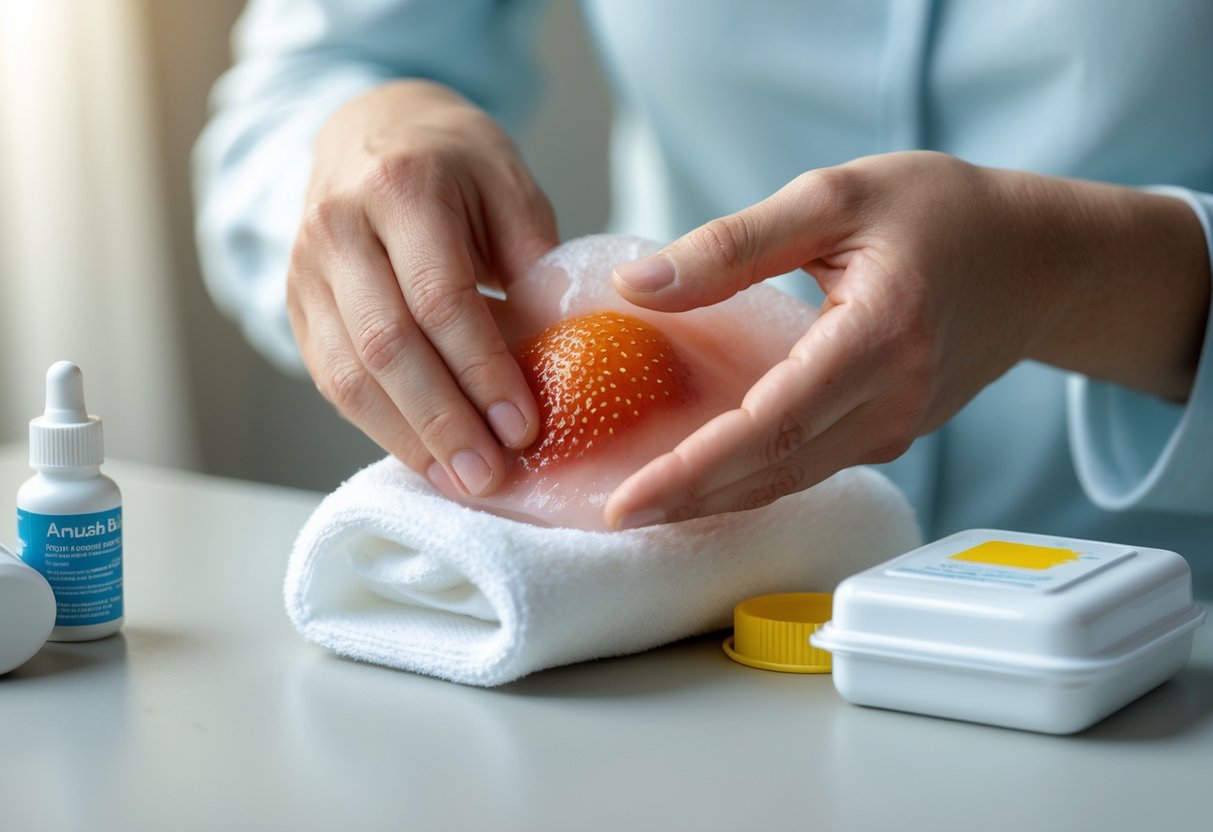
After that, you can use over-the-counter creams or take an antihistamine to help with itching and discomfort. If you’re someone who spends time outdoors or near bees, knowing how to treat a sting fast can really save you from extra pain and stress.
Want to know some easy ways to treat a bee sting at home? Let’s get into it—and we’ll talk about when you should see a doctor, too.
Fastest Ways to Treat a Bee Sting

Bee stings hurt, and you’ll usually see swelling and redness pretty fast. If you want to ease symptoms, you need to act right away.
Grab some ice, take out the stinger, and use creams if you have them. Over-the-counter meds can help with pain and swelling, too.
Step-by-Step Immediate Actions
First, pull out the bee stinger if you see it in your skin. Take a credit card or something flat and gently scrape it out.
Don’t pinch or squeeze it—that just pushes more venom in.
After you remove the stinger, grab a cold compress or ice pack wrapped in a cloth and press it against the sting. The cold helps numb pain and keeps swelling down.
Try to keep the cold on for about 10 to 15 minutes.
If you can, raise the area that got stung. This helps reduce swelling, especially if it’s on your arm or leg.
Keep an eye out for things like trouble breathing, swelling that spreads, or a rash. Those could mean an allergic reaction, and you’ll need medical help right away.
Topical Treatments for Swift Relief
Once you’ve done the basics, try a soothing cream to calm itching and swelling. Aloe vera gel is a good pick—it feels cool and may help your skin heal.
Calamine lotion can dry out the sting spot and take away some of the itch. Hydrocortisone cream is another option for redness and swelling.
Before you use any cream, wash the area gently with soap and water. That helps prevent infection and lets the treatment work better.
Over-the-Counter Medications
If you’re in pain, take some ibuprofen or acetaminophen. Ibuprofen is especially good for swelling since it’s an anti-inflammatory.
For itching, oral antihistamines can help. They block your body’s allergic reaction and calm things down.
Check the instructions on any medicine you take. If you start feeling worse or think you’re allergic, don’t wait—get medical help.
Want more details? Check out Fastest Way To Cure A Bee Sting?
Safe Home Remedies and When to Seek Emergency Help

Most bee stings get better at home with some simple care. Still, you should know when symptoms might mean something more serious.
Effective Home Remedies for Bee Stings
Start by carefully scraping out the stinger with a credit card or something similar. Don’t squeeze it, or you’ll just get more venom.
Wash the area with soap and water to help avoid infection. Next, put a cold pack or ice wrapped in a cloth on the sting for 10–15 minutes.
You can use an over-the-counter cream or take an antihistamine to help with itching. Some people like to use witch hazel or a baking soda paste—they can calm irritation and maybe draw out a bit of venom.
If you can, prop up the area that got stung. Repeat these steps as needed while things improve.
Essential Oils and Natural Solutions
Some natural oils might help after a bee sting. Tea tree oil is known for its antiseptic powers and can ease itching or swelling if you dab a little on the sting.
Lavender oil could calm skin irritation and help with pain. Use just a few drops, and always mix with a carrier oil to avoid making your skin mad.
Witch hazel, a natural astringent, also helps reduce itching and swelling. Just apply it with a clean cloth or cotton ball.
Only try these if your skin isn’t super sensitive, and don’t put oils on broken skin.
Recognizing Allergic Reactions and Anaphylaxis
Watch out for hives, a rash, swelling that goes beyond the sting, or trouble breathing. These could be signs of an allergic reaction.
If you notice trouble breathing, swelling in your face or throat, dizziness, or a racing heartbeat, get emergency help right away. These can all mean a dangerous reaction called anaphylaxis.
Call 911 or emergency services immediately. Most stings just cause mild swelling, but don’t take chances with severe symptoms.
Using Epinephrine Auto-Injectors
If you know you’re allergic to bee stings, it’s a good idea to keep an epinephrine auto-injector like an EpiPen with you.
Use it right away if you notice signs of a severe allergic reaction—like trouble breathing, swelling, or feeling faint.
Inject the medication into your thigh as soon as you can.
Head to the emergency room after using epinephrine, even if you start to feel okay. Sometimes symptoms sneak back.
Learn how to use your auto-injector, and remember to check the expiration date every so often.


