
Ever wondered if bees can actually recognize you? Turns out, they can. Bees learn to spot your face and remember you for a few days. Their brains are tiny, sure, but they’re clever about picking up patterns and telling people apart. That’s how they know who’s hanging around their hive.
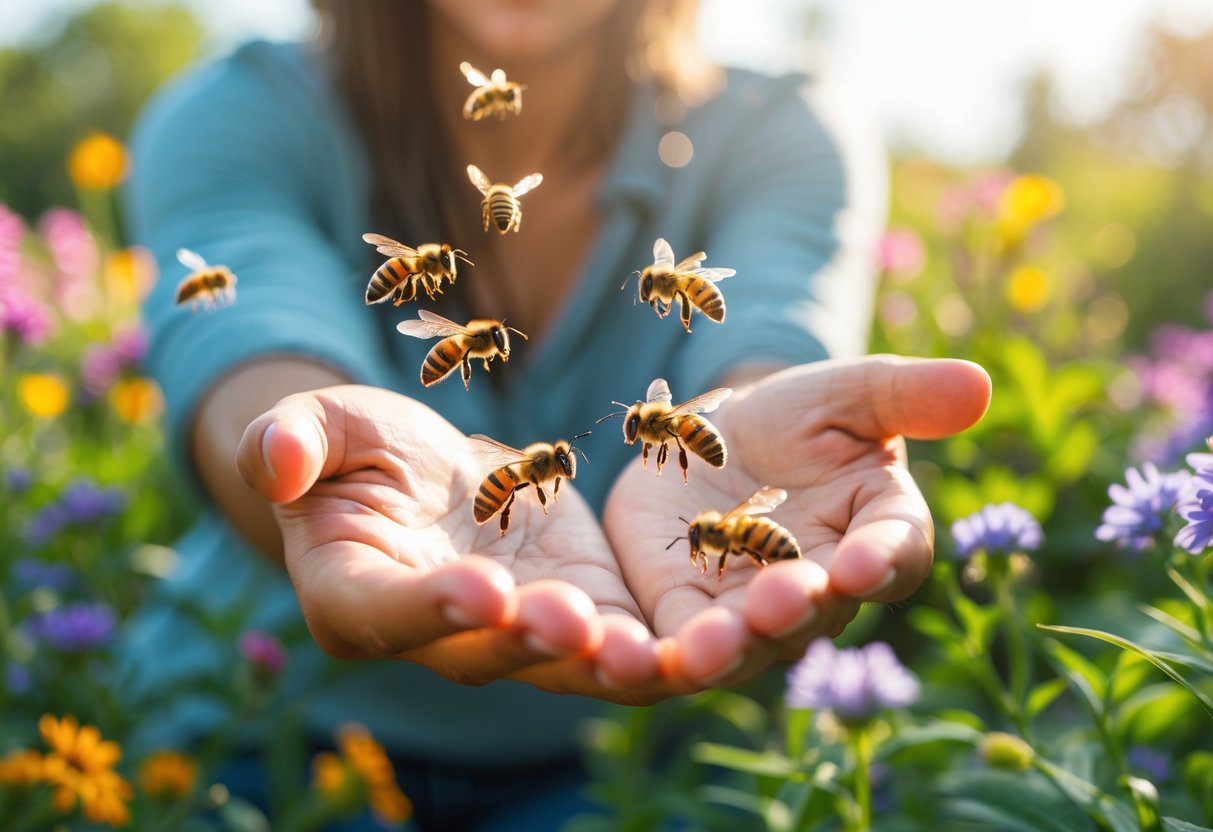
It’s not quite like how we recognize faces, but bees notice unique features and can tell you from a stranger. Beekeepers see this all the time—their bees identify them and act differently than they do with other folks.
Honestly, it’s pretty amazing what these little insects can do.
When you realize bees can recognize you, it kind of changes how you see them, doesn’t it? They’re not just pollinators; they’ve got skills that tie them to their world—and maybe even to you. Let’s dig into how they do this and why it’s actually pretty interesting.
Can Bees Recognize Humans?

Bees have some wild ways of telling people apart. They rely on both sight and smell to figure out who’s nearby. This lets them notice beekeepers or anyone else hanging around the hive.
Scientific Research on Human Facial Recognition by Bees
Researchers have shown that honeybees can recognize human faces. Even though their brains are small, bees pick up on unique face patterns.
A study from Cambridge, for example, found that bees learn to spot faces and remember them for days.
Bees don’t see faces the way we do. Instead, they focus on specific parts and patterns—like the shape of your eyes or nose.
When you visit a hive often, bees learn to tell you apart from others. Beekeepers say their bees seem to know them because of this.
How Bees Use Scent to Identify Individuals
Sight isn’t the only thing bees use. They rely on smell to figure out who you are, too.
Your scent gives you away. Bees pick up on chemicals from your skin and even what you’ve eaten.
If you wear something with a strong smell or handle things differently, bees notice that. Their sense of smell works together with their vision to help them keep track of familiar people.
Factors Influencing Bee Recognition Abilities
Different bees have different skills. Honeybees, living in big social groups, tend to be better at recognizing people than solitary bees.
How often you show up at the hive matters. The more they see you, the more your face and scent stick in their memory.
Even your clothes and behavior play a part. Bright colors or sudden moves can throw them off, but quiet, gentle actions help them remember you.
Your relationship with bees grows as they remember how you look and smell. That helps keep the hive calm and makes things safer for everyone.
For more details, check out Can Bees Recognize Humans? The Science Behind It.
Bee Behavior and Relationships With Humans

Bees react to people based on what they’ve learned and what’s happening around them. How you act can totally change a bee’s response.
Some bees—especially workers near the hive—treat familiar people, like beekeepers, differently.
Beekeeper Interactions and Bee Familiarity
When you spend time with bees, they start to recognize you. Bees pick up on your scent, how you look, and the way you move.
This helps them figure out if you’re a threat or just the usual person near the hive.
Beekeepers often notice their bees get calmer over time. Gentle, consistent actions seem to reduce defensive behavior.
Bees don’t have pet-like feelings, but they do remember and identify individual humans. That recognition can make handling honey or hive tools safer.
Role of Worker Bees in Hive Defense
Worker bees protect the hive. When you come close, they watch for danger.
If they think you’re a threat, they might sting to defend their home and honey.
Away from the hive, worker bees usually act less aggressive. They only sting if you provoke them.
Near the hive, they guard by releasing alarm pheromones to warn others. Knowing this, you can stay calm and avoid sudden moves that might trigger a defensive reaction.
How Emotional States and Movements Affect Bees
Bees notice how you move right away. If you make fast or jerky movements, they get nervous—and honestly, who wouldn’t?
Slow, calm movements help them feel safer. I’ve found that if you stay relaxed, bees seem less interested in stinging.
They also pick up on your stress or agitation. Your scent and the way you move can give you away.
When you walk up to a hive gently, worker bees usually chill out and don’t get aggressive. So, your mood and body language really shape how bees react to you.
If you’re curious about how bees recognize people, check out this article on do bees recognize us.


