
Have you spotted bees buzzing around your house lately? They’re probably searching for food, shelter, or a spot to start a nest.
Bees love gardens, flowering plants, and wooden spots like your roof or siding—anything that gives them what they want. Sometimes, they even mistake your place for a safe haven to build a colony.

You’ll also see bees drawn to certain smells or even bright colors around your home. If you know why they show up, you can figure out if they’re just passing through or if you need to step in.
Knowing what attracts bees makes it easier to enjoy your yard without constant buzzing. It’s honestly kind of handy to understand their habits.
Curious about why bees hang around your home and how to deal with them safely? Let’s get into some useful tips that’ll help you out.
Why Bees Are Flying Around Your House

Bees show up around homes for a few big reasons—food, water, and places to nest. If your yard or roof offers what they’re after, you’ll probably notice more of them.
Watch their behavior to figure out if they’re just visiting or if a colony’s starting nearby.
Common Attractants Like Food and Standing Water
Bees hunt for easy food sources like flowering plants, fruit trees, and even sugary drinks left outside. If you’ve got blooming gardens or open trash bins, expect to see more bees.
Standing water calls to them too. Birdbaths, pet bowls, or puddles give bees what they need to cool their hives and make honey.
Try to keep water sources clean and covered. That’s a quick way to reduce bee visits.
Leaving sweet drinks or food outside? Bees will find them, so keep those things inside as much as possible.
Bee Activity and Signs of a Bee Infestation
You can spot if bees are just passing by or planning to stay by watching what they do. Circling bees might be scouting or guarding a nest.
If you hear loud buzzing or see lots of bees going in and out of one spot, there’s probably a nest close by.
Look for holes in wood, gaps in walls, or hidden nests up in the attic. Carpenter bees, in particular, drill into wood and can do real damage.
If you see aggressive bees or a big group in one spot, call a professional. Seriously, don’t try to handle it all yourself.
Types of Bees Near Houses: Honey Bees, Carpenter Bees, and Bumblebees
Honey bees show up the most. They live in big colonies and build hives in hidden places like wall cavities or trees.
Carpenter bees look a lot like bumblebees but drill holes in wood to nest. That can mess up your deck, siding, or roof.
Bumblebees are bigger and fuzzier. They like quiet spots underground or in wall gaps.
If you know which bees you’re dealing with, you can make better choices about how to handle them.
Possible Entry Points and Nesting Sites
Bees squeeze in through small cracks, vents, or broken screens. Check around windows, doors, and the edges of your roof regularly.
Roofs and attics are prime real estate for bee colonies since they’re sheltered and warm. You might find nests behind loose shingles or tucked under the eaves.
Wasps sometimes move in nearby too, which just adds to the headache.
Seal up those entry points and keep an eye on hidden areas. It’s the easiest way to stop bees from settling in.
How to Prevent and Manage Bees Around Your Home
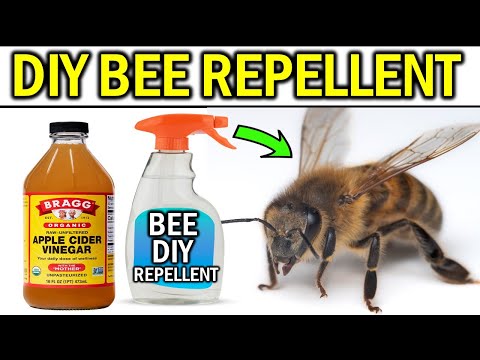
You can keep bees away by blocking entry points and using natural tricks that don’t hurt them. Sometimes, you’ll need an expert to step in, especially if things get out of hand.
Protecting yourself from stings matters, especially if someone at home has allergies.
DIY Prevention Tips and Natural Deterrents
Seal up cracks, gaps, and vents around your house to keep bees out. Check the chimney, window frames, and your roof for any openings.
Clear out brush piles or old wood nearby—bees love quiet nesting spots.
Try planting mint, citronella, or eucalyptus around your yard. Bees usually hate those smells and stay away.
Vinegar sprays or a mix of water and lemon can work as gentle repellents.
Skip harsh chemicals that kill bees—they’re important pollinators, after all. Instead, keep flowers and food away from doors and windows.
If you want more ideas, check out this guide on keeping bees away from your house.
When to Seek Professional Bee Removal or Pest Control
If bees built a hive inside your walls, attic, or roof, call a pest control company that knows how to handle bees. DIY removal can get risky and might damage your house.
A bee removal pro can move the bees safely without hurting them. That’s important, since bees are crucial for pollination.
Reach out to the experts if the bees get aggressive or if you notice damage from their nesting. Persistent infestations really need professional help.
Want to know more about safe removal? Here’s a good read on professional bee removal options.
Safety Precautions and Avoiding Bee Stings
Wear light-colored, snug clothes and skip perfumes or scented lotions. Bees love sweet smells.
Move slowly when you’re near bees. Swatting just makes things worse.
If someone at home has a history of allergic reactions, keep an epinephrine injector or allergy meds handy. If you get stung, remove the stinger quickly and clean the area.
Never mess with a hive or swarming bees. If they get aggressive, leave calmly and call for help.
Want more tips? Check out this advice on avoiding bee stings and managing encounters.
Benefits and Importance of Bees as Pollinators
Bees play a huge role in pollinating fruits, vegetables, and flowers. They help plants grow and keep the food chain running.
If bees disappeared, gardens and farms wouldn’t produce nearly as much food. That’s a pretty big deal for everyone, right?
We should respect what bees do out there. Try not to kill bees unless you really have no other choice.
Using humane ways to keep bees away does a lot more good for the environment. It’s honestly better for everyone.
When you manage bees the right way, you protect yourself and give nature a hand. If you’re curious about why bees matter or just want tips on keeping a safe distance, check out this page on the importance of bees as pollinators.


