
So, what colors do bees hate? Well, it’s actually pretty simple—bees tend to steer clear of dark colors like red, black, brown, and other deep shades.
Dark colors remind bees of predators, so they see them as threats and keep their distance. If you want to keep bees away from your yard or patio, knowing this can help you pick the right clothes or paint.
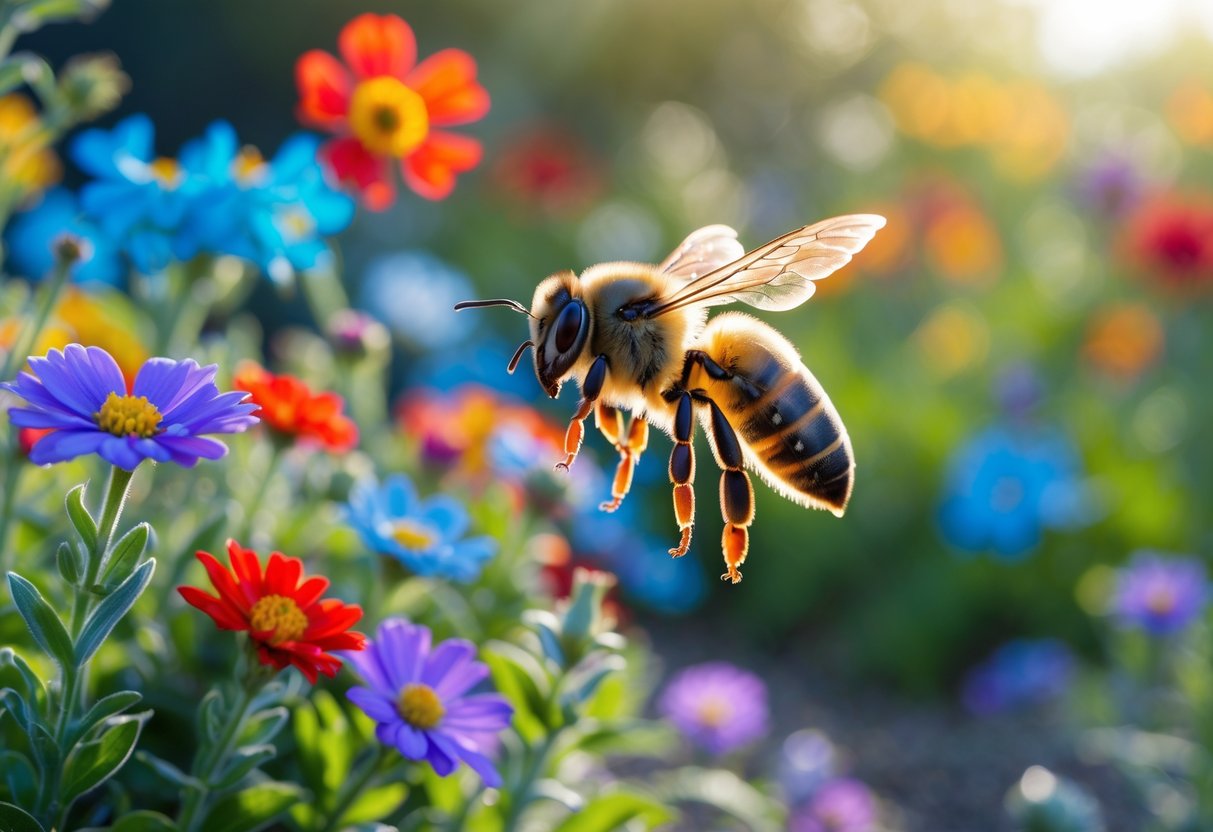
You might expect bees to dislike all bright colors, but that’s not really the case. Bees can still see some reddish tones like yellow and orange, but dark colors make them uneasy.
If you understand which colors bother bees, you can make your garden a little safer or avoid unwanted buzzing when you’re outside.
Curious why bees react this way? Or wondering how you can use color to your advantage? Let’s dig into how color messes with bee behavior and what it means for you.
For more, check out what colors bees dislike and why on biologyinsights.com.
What Colors Do Bees Hate and Why?

Bees react in strong ways to certain colors because of how their eyes work and what those colors mean to them.
Some shades make bees feel threatened, and others help them find food.
Bee Vision and Color Perception
Bees just don’t see the world the way we do. They can pick up ultraviolet light, but they can’t see red at all.
To a bee, red looks like a dark color—almost black. So red flowers don’t really pop out to them.
Bees rely on UV patterns on flowers to guide them to nectar. Dark colors reflect less UV, so bees don’t find them interesting.
You could say their vision is like a weird color map, focusing on brightness and UV, not the colors we see.
Dark Colors and Their Impact on Bee Behavior
Bees avoid dark colors like black, brown, and navy blue. These shades soak up more heat and look like possible threats.
When bees spot these colors, they might get stressed and act defensive.
Dark colors don’t reflect much UV, so bees have trouble finding food near them.
If you wear dark clothes or paint things dark, bees might act more aggressively toward you.
Why Red Appears as Black to Bees
Red just doesn’t register for bees. Their eyes don’t have the right photoreceptors for it.
So, when you put something red in front of a bee, it just looks black or like a shadow.
That’s why bees usually ignore red flowers; they don’t see any signal for food.
If you want bees to keep away, red might actually be a smart choice.
Colors Associated with Predators
Bees connect some dark colors with predators like wasps and hornets. Those insects have black, dark brown, or maroon markings.
When bees see those shades, they think “danger.”
This link between color and threat makes bees more likely to defend themselves.
If you’re around bees a lot, stick with light or pale colors to avoid setting them off.
For more info on why dark colors bother bees, you can read about why dark colors threaten bees.
How Colors Affect Interactions with Bees

Colors can totally change how bees act around you or your garden.
Some shades attract them, while others keep them away.
Knowing what to wear, what to plant, or even what color your garden tools are can help you dodge bee stings and make your yard more chill.
Clothing Colors to Avoid Around Bees
Bees really don’t like dark colors like black and dark grey. These colors remind them of predators.
If you show up in those shades, bees might get defensive. Red clothing can confuse them too—they can’t see it well and might think it’s a threat.
To play it safe, go for lighter colors like white, pale blue, or lavender.
Bees are less likely to bother you if you wear those. Try to skip bright floral patterns or bright yellow, since bees might think you’re a flower.
Flowers Bees Tend to Ignore
Bees usually ignore flowers in shades like red, maroon, or dark violet. They just can’t see those colors well.
Red flowers don’t stand out to bees, but hummingbirds might love them.
If you want fewer bees, planting more red or maroon flowers can help.
On the flip side, bees really like white, purple, and blue flowers. Those colors pop for them and often mean lots of nectar.
Lavender and some purple wildflowers are bee favorites.
White flowers attract all kinds of pollinators, but red ones rarely do much for bees.
Protective Gear and Bee Suits
When you’re working with bees or just want to avoid stings, your outfit really matters.
Bee suits usually come in white or light colors—those shades don’t scare bees.
A full bee suit covers all your skin and keeps stings out.
If you don’t have a bee suit, just wear light-colored clothes and skip perfumes or scented lotions.
Smooth fabrics help too, since bees might grab onto rough material if they get close.
Plants That Repel or Distract Bees
Some plants actually help keep bees at bay—and they do it without causing any harm. Marigolds and mint, for example, tend to repel bees thanks to their scent and vibrant color.
If you’re setting up an outdoor seating spot or a picnic, you can plant these as a sort of natural barrier. It’s a simple trick, honestly.
Lavender’s a little different. Bees love it, sure, but its relaxing scent can sometimes draw them away from the spots you’d rather keep bee-free.
Try mixing mint or marigolds with lavender in your garden. That way, you get a nice balance—attracting bees where you want them, and keeping them out of your personal space.
Curious about how colors play into all this? Here’s a link you might like: what colors do bees hate from irescuebees.com.


