
Trying to keep bees away without harming them? Picking the right bee repellent can really make a difference.
Natural options like essential oils—think citronella, peppermint, or almond oil—work well to deter bees without hurting them. These scents do the job and they’re gentle enough for your home or garden.

Using natural repellents protects you and the bees. Bees play a big role in the environment, after all.
Maybe you want to avoid stings at your next picnic. Or you just want your yard to be a little less buzzy.
Knowing which repellent to try can save you some hassle.
You don’t need harsh chemicals to keep bees out of your space. Honestly, simple stuff from your kitchen or the local store usually works just fine.
You can keep your area safe and still be friendly to bees. Let’s look at how to choose and use these repellents in a way that actually works.
Top Bee Repellents and How They Work

You’ve got plenty of options for keeping bees away. Some repellents use strong smells to confuse or drive off bees. Others just put up a barrier or overwhelm their senses.
If you know which ones work best, picking the right repellent gets a lot easier.
Essential Oils That Repel Bees
Some essential oils really keep bees at bay because bees just can’t stand their strong smells. Oils like peppermint, citronella, eucalyptus, and lavender seem to work well.
You can mix these oils with water and spray them where bees like to hang out.
Try combining peppermint and citronella in a spray bottle. These oils mask the scents that attract bees, or just irritate their sense of smell.
Burning citronella candles outside also helps. Bees usually avoid the area when you do that.
Best Natural Ingredients for Bee Repellent
You can grab a few kitchen staples to make your own bee repellent. Things like garlic powder, cayenne pepper, cinnamon, vinegar, and lemon juice have strong smells or tastes that bees don’t like.
Mix lemon juice or vinegar with water for a quick spray. Burning basil or pennyroyal or using smoke can distract bees and keep them away.
Even tossing out some dryer sheets or cucumber peels around the yard helps. Bees tend to steer clear of those scents.
Commercial Bee Repellent Products
If you’d rather buy something, plenty of store-bought products can help. Look for sprays labeled natural insect repellent—they usually use essential oils like citronella, eucalyptus, or peppermint.
These sprays tend to use less toxic stuff, so they’re safer for bees and people.
Some brands mix oils and other natural ingredients to keep the effect going longer outside.
The Raid Wasp and Hornet Killer works, but honestly, it kills pests instead of just repelling them. If you use any spray, do it in the early morning or late evening when bees are less active.
That way, you avoid harming them.
For more ideas, check out natural bee repellent recipes and tips.
Effective Ways to Keep Bees Away from Your Home and Garden
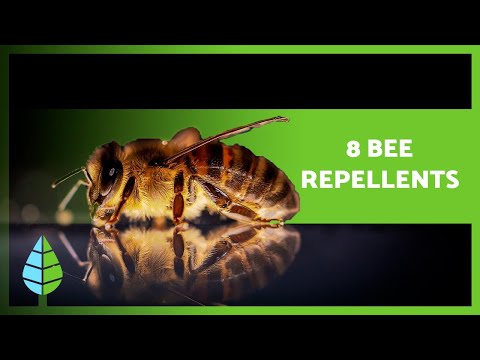
You can use certain plants and clever outdoor tweaks to keep bees from sticking around your home. Avoiding a few common mistakes helps too.
Bee-Repelling Plants and Flowers
Some plants just make bees stay away. For example, marigolds and mothballs smell strong and bees don’t like them.
You can also plant lilacs, poppies, and black-eyed Susans for a barrier. These flowers don’t attract bees since they have little nectar or pollen.
Try putting repellent plants where you spend time outside. It’s a simple way to create a safer space without harsh chemicals.
Skip planting flowers like sunflowers, honeysuckle, or cucumber vines near patios or doors. Those attract more bees because they offer a lot of food.
Environmental and Practical Strategies
You can change a few things in your yard to keep bees away safely. For starters, remove sweet food or drinks when you’re outside.
Bees love sugary stuff.
Keep trash bins tightly closed and clean. Food waste attracts bees fast.
Cover compost piles well, so bees don’t sniff them out.
Spray lemon, eucalyptus, or peppermint oils around your garden or plant herbs with those scents. Bees don’t like those smells.
If you spot a nest close to your house, don’t try to move it yourself. Just call a professional beekeeper—they know how to handle it safely.
Common Mistakes to Avoid
People often try to keep bees away but end up making things worse. Spraying strong insecticides usually harms bees and messes with your garden’s health too.
If you want fewer bees around your patio, don’t fill the area with nectar-rich flowers. That just brings more bees buzzing right over.
Wearing sweet-smelling perfumes or lotions outside? Bees can’t resist those scents, so they’ll come right to you.
Leaving sugary drinks or food uncovered outside is another big mistake. Bees will show up fast, and suddenly your relaxing time turns into dodging stings.
If you steer clear of these common slip-ups, you’ll have a much better shot at enjoying your yard without so many bees around. For some extra ideas, check out this guide on keeping bees away from your home and garden.


