
So, a bee lands on you. First thought: “Is it about to sting me?”
Honestly, no—a bee usually won’t sting just for landing. These little insects often land out of curiosity or because something about your scent or clothes caught their attention, not because they’re looking to attack.

What you do next actually matters a lot. If you stay calm and still, you make the bee feel safe, which lowers your chances of getting stung.
But if you freak out or swat at it, the bee might panic and sting you just to defend itself.
It helps to know a bit about why bees act the way they do.
That understanding can make your next run-in with a bee way less stressful.
If you want more tips on what to do when a bee lands on you, check out what to do if a bee lands on you.
Will a Bee Sting If It Lands on You?

Just because a bee lands on you doesn’t mean you’re doomed to get stung.
Most bees are just curious or picking up on an interesting scent.
Your behavior really matters here.
If you move slowly and don’t swat, you usually won’t bother the bee.
But if you startle it, well, that’s when trouble can start.
Why Bees Land on People
Bees land on people mostly because they smell something that grabs their attention.
Perfume, lotion, sweat, or even the color of your shirt can draw them in.
They use their sense of smell to find flowers, but sometimes they get it wrong.
Bees are out looking for food, not fights, so if one lands on you, it’s probably just checking things out.
They don’t want to sting unless they feel they have to.
Most of the time, a bee landing on you is no big deal.
How Bee Behavior Affects the Likelihood of Stinging
Bees sting to defend themselves or their hive.
When they land on you, they’re usually calm—unless you give them a reason to feel threatened.
If you stay still, you’re less likely to get stung.
Sudden moves or swatting? That can make the bee nervous and more likely to sting.
You might notice warning signs, like loud buzzing or a bee hovering in one spot.
If you just wait it out and let the bee go on its way, your odds of getting stung drop a lot.
Factors That May Provoke a Sting
Certain things make a bee more likely to sting.
Swatting or fast movements can make the bee think it’s under attack.
Wearing bright, floral clothes or strong perfume can attract more bees.
If a bee gets trapped between your skin and your clothes, it might sting to get away.
People with allergies to bee stings need to be extra careful.
Staying calm and moving slowly really does help keep you safe when you’re outside.
If you want more advice on handling bee encounters, check out What To Do If A Bee Lands On You.
Types of Bees and Other Stinging Insects
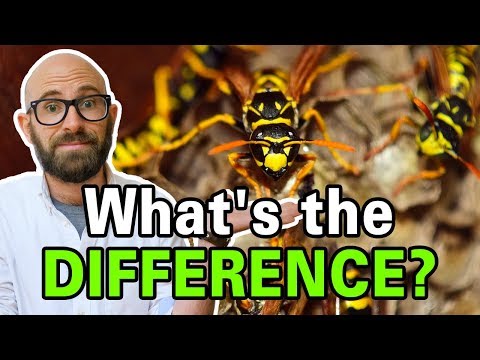
You’ll probably see a few different types of bees and insects buzzing around your yard or garden.
Some can sting, but their reasons and methods aren’t always the same.
Knowing the differences helps you stay safe.
It’s just good to have a sense of what to expect if one lands on you.
Honey Bee, Bumble Bee, and Carpenter Bee Differences
Most people picture honey bees when they think of stinging insects.
Honey bees live in big hives and usually only sting to protect their home.
When a honey bee stings, it leaves its stinger behind and dies soon after.
Bumble bees, on the other hand, are bigger and fuzzier.
They can sting more than once because their stingers don’t get stuck.
Bumble bees are pretty chill, but they’ll sting if they feel threatened.
Carpenter bees look a lot like bumble bees, but their backs are shiny and smooth.
They rarely sting unless you mess with their nest.
Their sting doesn’t usually hurt as much as a honey bee or bumble bee sting.
Male Bees vs. Female Bees
Only female bees can sting.
Their stingers are actually modified egg-laying organs called ovipositors.
Male bees don’t have stingers, so they can’t hurt you.
Female bees use their stingers to protect themselves or their nests.
Some queen bees can sting more than once, but worker honey bees usually die after a single sting because their barbed stinger gets stuck.
If you see a male bee buzzing around, you don’t have to worry about getting stung.
Distinguishing Bees from Wasps and Yellow Jackets
Wasps and yellow jackets might look like bees at first glance, but they act pretty differently. They hunt other insects and scavenge for sugary foods, unlike bees.
You’ll usually find wasps and yellow jackets behaving more aggressively. They can sting over and over again without dying, which honestly makes them a bit more intimidating.
If you get too close or disturb their nest, they’re much more likely to sting. Bees, on the other hand, tend to be hairier and have chunkier bodies.
Wasps and yellow jackets look smoother and slimmer. Spotting these differences can really help you figure out which bugs you need to be more careful around.
If you’re curious to dive deeper, check out this guide on types of bees that sting.


