
If you want to enjoy time outside without constantly worrying about bee stings, there are some easy tricks you can try. Honestly, the best way to avoid bee stings is to stay calm, skip sudden movements, and pick clothes that don’t call attention from bees. When you blend in and move gently, bees usually don’t see you as a threat.
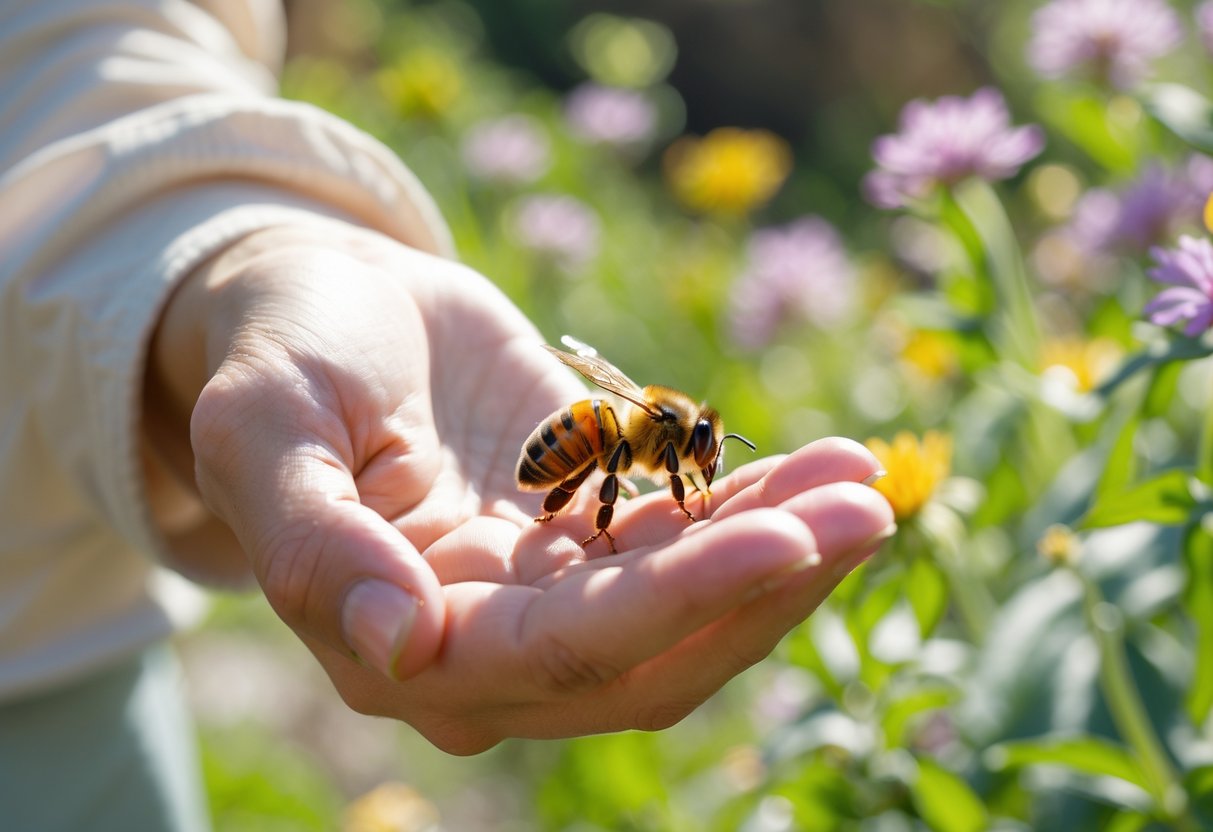
Understanding how bees act helps you steer clear of trouble. Bees mostly sting when they feel scared or think you’re threatening them.
If you can spot the signs that bees are getting agitated, you’ll have a chance to step away before things get dicey.
You don’t need to give up your time outdoors just because of bees. With a handful of simple steps, you can cut down your chances of being stung and feel more at ease around these little guys.
For more tips on how to keep safe, keep reading.
Essential Tips to Prevent Bee Stings

If you want to avoid bee stings, it helps to know how bees behave, pick the right clothes, stay chill if a bee gets close, and cut down on things that attract bees. These steps can really make a difference.
Understand Bee Behavior and Warning Signs
Bees sting to guard their hive or when they feel threatened. Honey bees, bumblebees, and carpenter bees each have their own quirks.
Honey bees, for example, guard their home pretty closely and might sting if you get too near.
Watch out for buzzing near your face, bees circling you, or a bee that keeps landing on you. Those are signs the bee feels threatened.
Stay calm and just move away slowly—don’t swat.
If you’re allergic to bees, you really need to know the signs of a reaction. Swelling, trouble breathing, or dizziness mean you should get medical help fast.
Dress Smartly and Avoid Attractants
Wearing the right clothes helps keep bees from noticing you. Skip bright colors, floral patterns, and rough fabrics like wool or corduroy since those seem to attract bees.
Stick with light-colored, smooth clothes—think cotton shirts and pants.
Strong perfumes, scented lotions, or hairsprays? Bees love those smells, so it’s best to avoid them.
Keep your food and drinks covered when you’re outside because sugary scents bring bees over.
Shoes protect your feet from ground-nesting bees, so leave the sandals at home if you’re in grassy areas. If you’re working near bee colonies, thick gloves can help too.
Safely Respond to Close Encounters with Bees
If a bee lands on you, just freeze. Swatting or jerky movements make bees nervous and more likely to sting.
Try to blow gently on the bee or brush it away softly if you need to.
If you see a swarm, don’t freak out. Swarms usually mean bees are moving house, and they rarely sting unless you bother them.
Just keep your distance and skip the loud noises.
If you get stung, scrape the stinger out quickly with your fingernail or a card. Don’t pinch the stinger—squeezing releases more venom.
Minimize Bee Attraction During Outdoor Activities
Before heading outside, take a look around for flowers, gardens, or fallen fruit. Bees hang out in those spots.
If you have to pass by, just move along quickly.
Sugary drinks or sweet snacks? Those attract bees, so try to avoid them in areas with lots of bees. If you need to eat, pick less fragrant foods and keep everything covered.
When you’re camping or picnicking, seal up your trash and keep it away from where you’re sitting. Bees love rotting food and garbage.
Setting up a fan in your sitting area can help—bees hate strong wind. Staying calm and moving slowly really lowers your chances of upsetting them.
For more ways to cut down on stings during outdoor fun, check out safety tips for outdoor activities.
Creating Environments That Deter Bee Stings
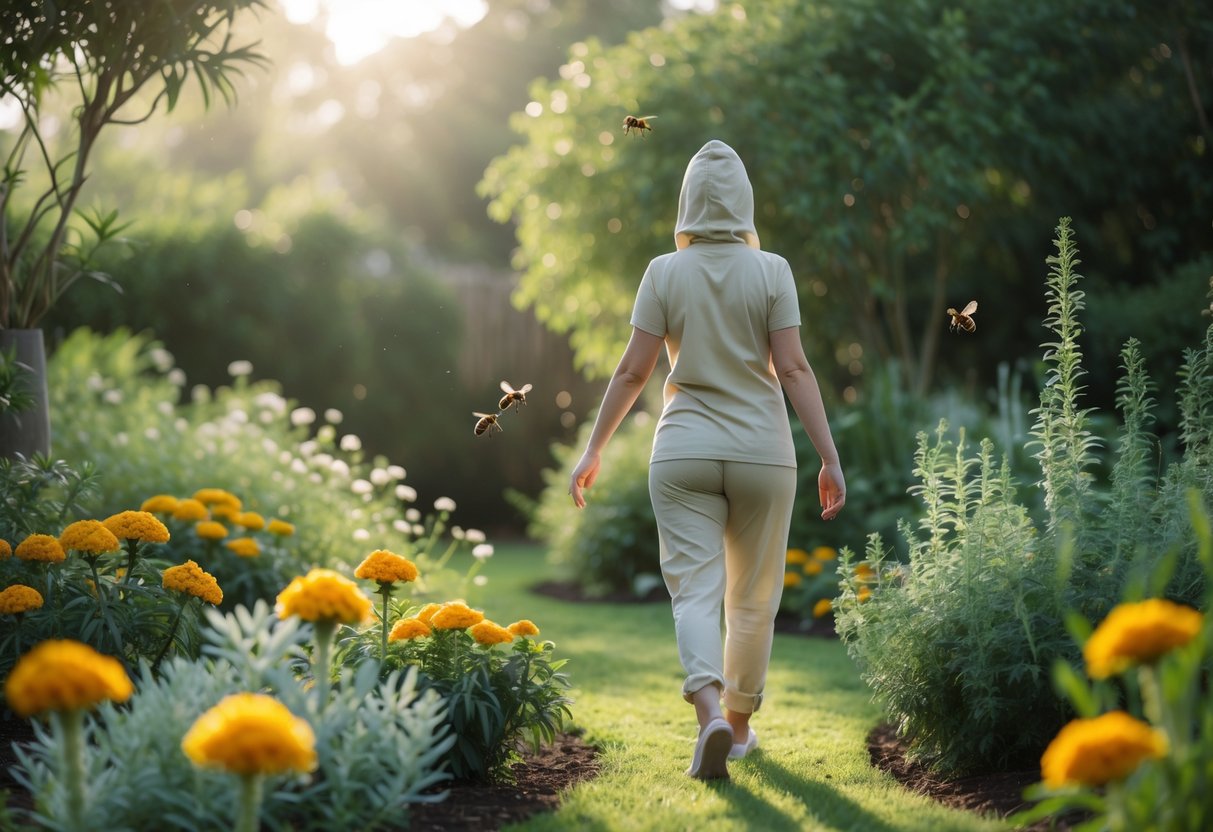
You can make your outdoor space less appealing to bees without hurting them. That means picking certain plants, tweaking your yard, and using smart habits if you keep bees or want to help pollinators safely.
Best Garden Plants and Natural Repellents
Some plants naturally keep bees at bay while still looking great in your garden. Lavender, mint, and citronella work well.
Their strong scents tend to push bees away. Try planting them near spots where you sit or play to create a little barrier.
If you want to help the bees but not have them right in your face, plant bee-friendly flowers like sunflower and coneflower farther from areas you use a lot. That way, bees have their space and you have yours.
Natural repellents made from citronella or mint oils work too—just dab a little on your clothes or skin to cut down on bee visits.
Make Your Home and Yard Less Attractive to Bees
Bees love bright colors and sweet smells. To keep them away from your house, don’t plant heavy-blooming flowers near doors or windows.
Pick greenery with lighter scents instead.
Keep trash cans sealed tight and cover up compost piles to keep bees from scavenging. Standing water draws bees too, so fix leaks and empty birdbaths often.
If you wear neutral colors and skip perfumes when you’re outside, you’ll blend in better and bees probably won’t notice you.
Tips for Beekeepers and Bee-Friendly Spaces
If you keep bees, wear protective clothing and gloves. That way, you’ll probably avoid most stings.
Check your hives often to keep an eye on their health. Doing this regularly helps reduce aggressive behavior.
Try to place hives away from busy walkways or places where people hang out. It just makes things easier for everyone.
Want to help bees without putting yourself at risk? Add bee hotels or plant native flowers that attract pollinators.
This gives local bees a boost and lets you guide where they like to hang out. Plus, keeping your yard tidy lowers the odds of running into bees when you least expect it.
If you’re looking for more ways to stay safe around bees, take a look at how to create a bee-friendly environment.


