
Ever noticed a hard lump after an insect bite and wondered what’s going on? You’re not alone. Mosquitoes, midges, gnats, and even spiders sometimes leave behind a firm bump that makes you scratch your head (and maybe your skin).
Usually, your body reacts to the insect’s saliva or venom, causing inflammation and a small allergic response. That’s what leads to those hard lumps.
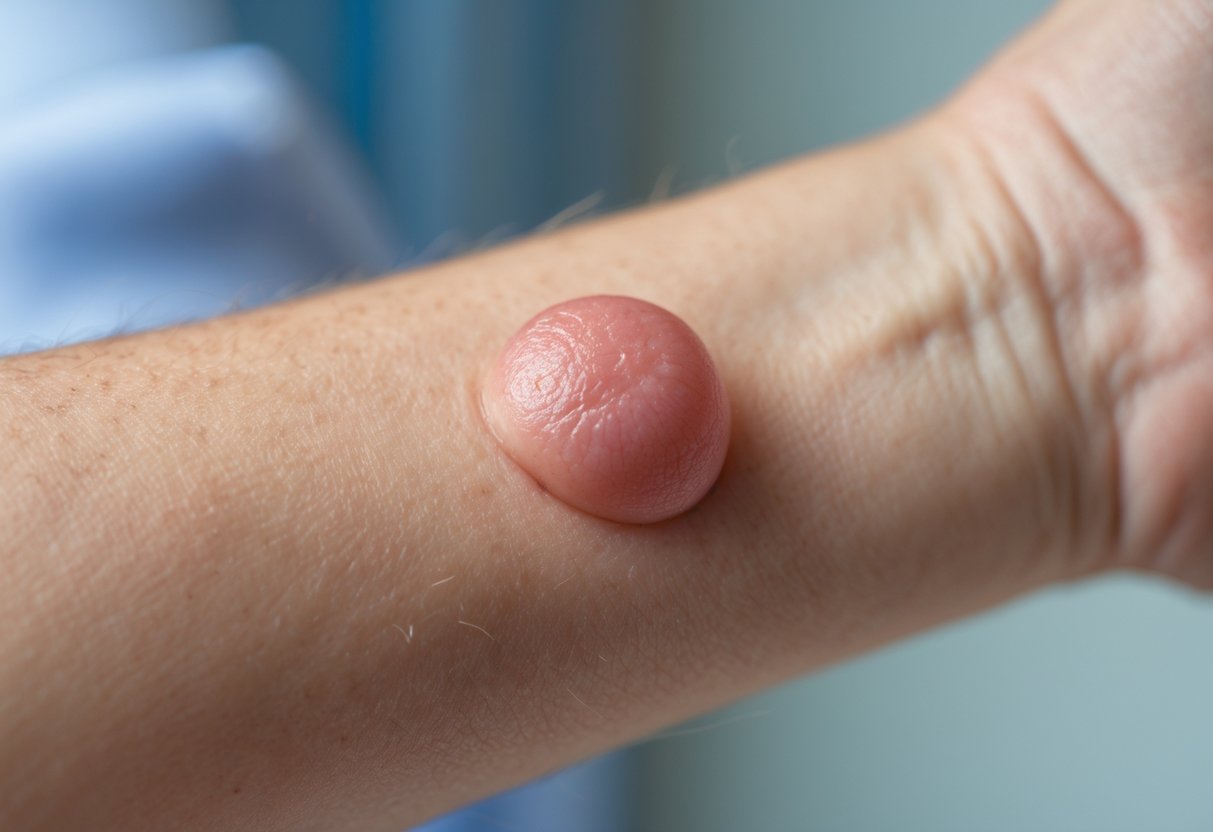
Not every bug bite leaves a lump, but when it does, it can get pretty annoying. If you know which bugs cause these bumps, you’ll have a better idea of what to expect and how to handle it.
Spotting the signs helps you decide if it’s time to see a doctor.
Let’s dig into the most common insect bites that make hard lumps, and I’ll share some tips for dealing with them. Maybe next time, you’ll feel a bit more prepared. If you want more details about which bites cause hard lumps, check out this bug bite information.
Insect Bites and Stings That Commonly Cause Hard Lumps

Your body reacts to insect saliva or venom, and that’s what usually creates a hard lump. These bumps can itch, swell, or hurt a bit.
Some bites might get infected or lead to more serious problems, so knowing what to look for matters.
Tick Bites and Associated Conditions
Ticks bite and leave a hard lump as your skin swells up around the spot. Sometimes, the lump sticks around longer than you’d expect.
That lingering lump might mean an infection or an allergy. Ticks can also spread illnesses like tularemia, which brings flu-like symptoms and swelling.
If you spot a lump with redness, warmth, or you start feeling feverish and achy, it’s time to see a doctor. Pull the tick out carefully and keep the area clean.
Watch for rashes or lumps that grow.
Spider Bites: Brown Recluse, Black Widow, and Wolf Spider
Spiders can leave hard lumps, but it depends on the species. Brown recluse bites usually start small and can turn into a painful sore or even an ulcer after a few days.
The lump might darken or blister. Black widow bites bring muscle pain and cramps, and sometimes a hard, red lump.
That lump is usually smaller but packs a punch in terms of pain. Wolf spiders usually leave a firm lump with mild swelling and redness.
Their bites aren’t as dangerous, but they’re still uncomfortable. If you notice a sore that keeps growing, severe pain, or redness that spreads, get medical help.
Mosquito Bites and Skeeter Syndrome
Mosquito bites are classic for causing small, itchy bumps. Some folks get a bigger reaction called Skeeter Syndrome.
This one can make a hard lump with swelling and warmth. Your body releases histamine to fight the mosquito’s saliva, which leads to inflammation.
Those lumps can feel pretty sore and last longer than a regular bite. Try cold compresses and antihistamines—they usually help.
If the lump gets huge or you start having trouble breathing, don’t wait—see a doctor.
Chigger and Flea Bites
Chigger bites are notorious for being super itchy. They often turn into hard lumps because your body reacts to the tiny parasites.
You’ll usually find these lumps around places where your clothes fit tight, like ankles or your waist. Flea bites are small but can show up as clusters of hard bumps.
They’re often red and itchy, and scratching sometimes makes things worse. Use anti-itch creams and keep the area clean.
If you see pus or the redness spreads, you might be dealing with an infection.
Reactions to Bites and Stings: Allergic Responses and Complications

After a bite or sting, your body can react in a bunch of ways. Some bites cause a hard lump, redness, and swelling.
Others go further and trigger serious allergies that need quick treatment. It’s good to know what’s normal and what’s not.
Fire Ant, Bee, Wasp, and Yellow Jacket Stings
Fire ants, bees, wasps, and yellow jackets all sting and cause sharp pain right away. You’ll usually see a red, swollen, hard bump pop up soon after.
That lump is just your body fighting off the venom. Fire ant stings can cause a cluster of itchy, painful blisters.
Bee stings sometimes leave a small white spot where the stinger got stuck. Wasps and yellow jackets don’t leave their stingers, but their stings can hurt and swell even more.
Most of these reactions fade in a few hours or days. If you notice swelling that spreads, severe pain, or a lot of redness, it’s time to check with a doctor.
Scratching or not cleaning the sting can also lead to infection.
Severe Allergic Reaction and Anaphylactic Shock
Some people are allergic to insect venom, and their bodies can really overreact. This is called anaphylaxis, and it’s serious.
Early signs include hives, itching all over, swelling in your face or throat, trouble breathing, dizziness, or a racing heart. Anaphylaxis needs an emergency epinephrine shot and fast medical attention.
If you’ve had allergic reactions before, you’re at higher risk for another one, and they can get worse each time. Watch for swelling that goes beyond the sting, trouble swallowing, or a tight feeling in your chest.
If you notice those symptoms, call for emergency help right away.
Scabies, Lice, and Fly Bites
Parasites like scabies mites, lice, and certain flies can leave you with small, hard lumps on your skin. Scabies usually brings on intense itching and tiny bumps that look a bit like pimples.
You’ll often spot these between your fingers or on your wrists. Lice bites show up as little red spots or bumps, mostly on your scalp or elsewhere on your body.
Fly bites? Those can sting or itch and might leave a raised, swollen lump behind.
People often scratch these bites, which only makes the lumps feel worse. Try to keep the area clean, and reach for medicated creams or shampoos to help with the symptoms.
If the lumps or itching get worse, it’s probably a good idea to check in with a healthcare provider.
For more details on insect bite symptoms and care, visit Insect Bites and Stings – NHS.


