
Ever wondered what bees meant to the ancient Celtic people? Their beliefs might surprise you. For the Celts, bees weren’t just insects buzzing around—they saw them as special creatures that connected the natural and spiritual worlds.
The Celts believed bees carried wisdom and messages between this world and the next.
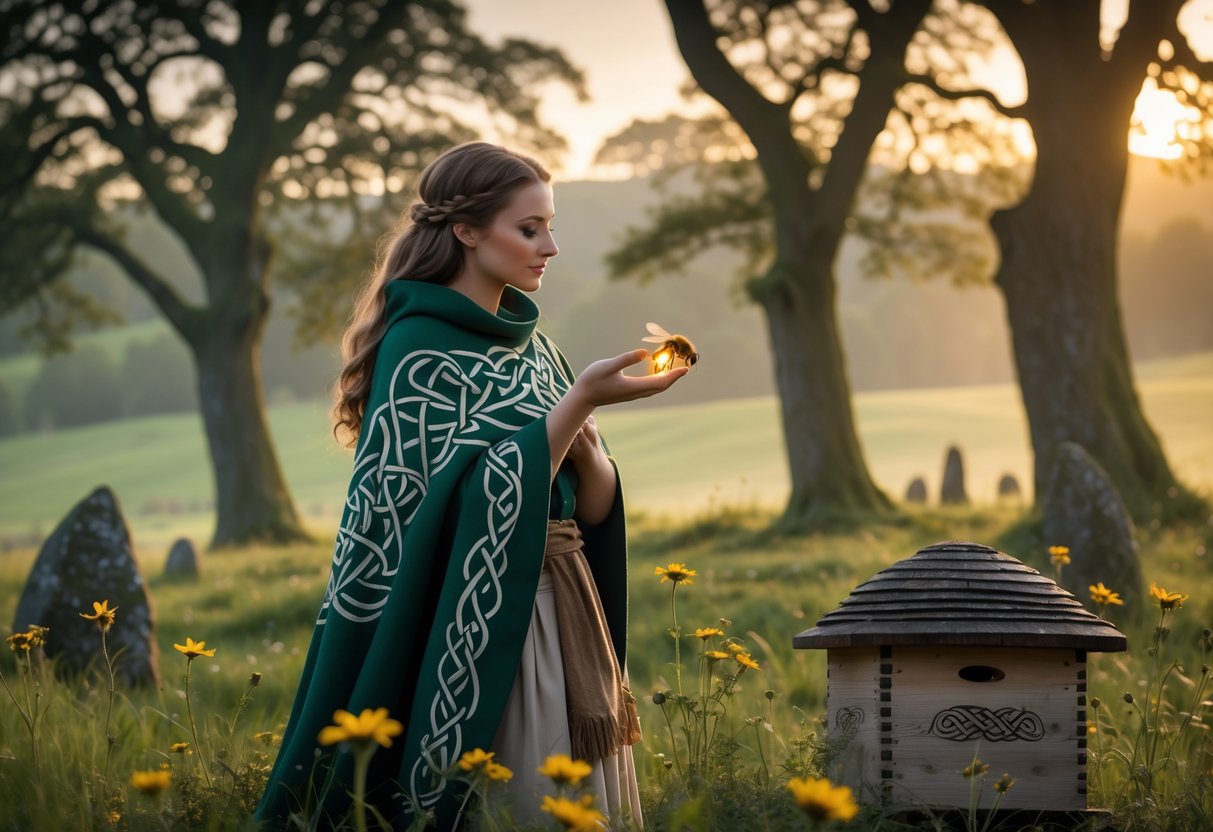
People in Celtic lands respected bees in daily life, too. Honey was seen as a gift from the gods, and beekeeping went on for thousands of years.
Stories tell of bee priestesses and saints who protected their communities with the help of these tiny but powerful creatures.
When you look at the Celtic view of bees, you see how deeply nature and spirituality were tied together in their world. Imagine a place where a buzzing bee could be a sign from the gods or a symbol of harmony between people and the divine.
That’s the story behind what the Celts believed about bees. If you’re curious, you can dig deeper into their sacred role in Celtic mythology and history here.
Core Celtic Beliefs About Bees
Bees meant a lot to the Celts. They saw bees as more than just part of nature.
Bees crossed boundaries, spoke to otherworldly forces, and symbolized a strong spiritual community.
Bees as Messengers Between Worlds
Celts often believed bees carried messages between the human world and the spirit world. If a bee flew into your house, maybe it was a sign from someone who’d passed away.
This idea made bees powerful symbols of communication.
People thought bees could take thoughts and prayers to the unseen world. They treated bees with respect, knowing they played a big role as links to spirits.
Bees weren’t just insects; they were messengers carrying souls or news.
Connection to the Spirit World
You might picture bees as bridges between your world and the next. The Celts believed bees had deep ties to the soul and immortality.
This idea made bees part of the journey after death.
Some folks believed that when someone died, you should tell the bees in the hive. If you didn’t, the bees might swarm away or die.
This old practice shows just how closely the living and spirit worlds were connected through bees.
The Spiritual Importance of the Hive
The hive stood for unity and order. It showed the community working together, kind of like your own family or village.
The hive was a sacred spot, where life and spirit mixed.
Celtic laws protected both bees and their hives. If bees took nectar from someone else’s land, it was considered trespassing.
Caring for bees meant caring for spiritual balance and good fortune.
Bees and hives weren’t just part of the natural world—they were key to spiritual life and respect for community. If you want to read more, check out The Celtic Lore of the Honey Bee.
Bees in Celtic Tradition and Folklore

Bees played a surprisingly important role in Celtic life. People saw them as messengers, healers, and providers.
Their importance stretched far beyond honey; bees connected daily life to the spirit world through stories and customs.
Irish Folklore and Superstitions
In Irish folklore, bees stood for good luck and fortune. If a single bee buzzed into your home, people thought it meant wealth or good news was on the way.
They believed bees carried messages between the living and the dead, so harming a bee brought bad luck.
One tradition, called “telling the bees,” had families share big news—like weddings or deaths—by tapping on the hive. This showed respect, treating bees as part of the household.
People saw bees as sacred. Protecting them helped keep harmony in life and beyond.
Rituals and Sacred Practices
Celtic rituals often included bees to bless and protect crops, homes, and health. Folks saw bees as symbols of community and creativity, mirroring how they worked together in hives.
One ceremony, the Blessing of the Bees, still happens in Ireland today. It asks for the health and safety of bees and the land.
During these rituals, people thought bees could carry prayers and messages to the spirits, showing their strong spiritual role.
Beekeeping in Ancient Celtic Society
Beekeeping was more than a job to the Celts—it carried real legal and social weight. Honey sweetened food, made mead, and candles burned thanks to bees.
Beeswax came in handy for sealing letters and making art.
Ancient Irish law set rules for settling disputes over hives and honey. Hives were valuable enough to give as tribute to kings.
You and your community would have relied on bees not just for survival, but as part of social order too.
Magical Status of Honey
People saw honey as something magical and healing. They used it in medicine for wounds and illnesses.
Honey stood for sweetness and nourishment. Some even called it a gift straight from nature or the gods.
The Celts really believed honey connected the physical and spiritual worlds. Eating honey? That was supposed to bring wisdom and maybe even a bit of protection.
Its magical reputation popped up in plenty of stories and myths folks shared around the fire. For more on Celtic honey traditions, check out the details about bees and honey in ancient Ireland.


