
Ever wake up with itchy bites but can’t spot any bed bugs? You’re definitely not the only one. In the UK, plenty of other insects bite at night—think mosquitoes, fleas, midges, and even mites.
The trick to figuring out what’s biting you is to check the type of bite and where it shows up on your body.
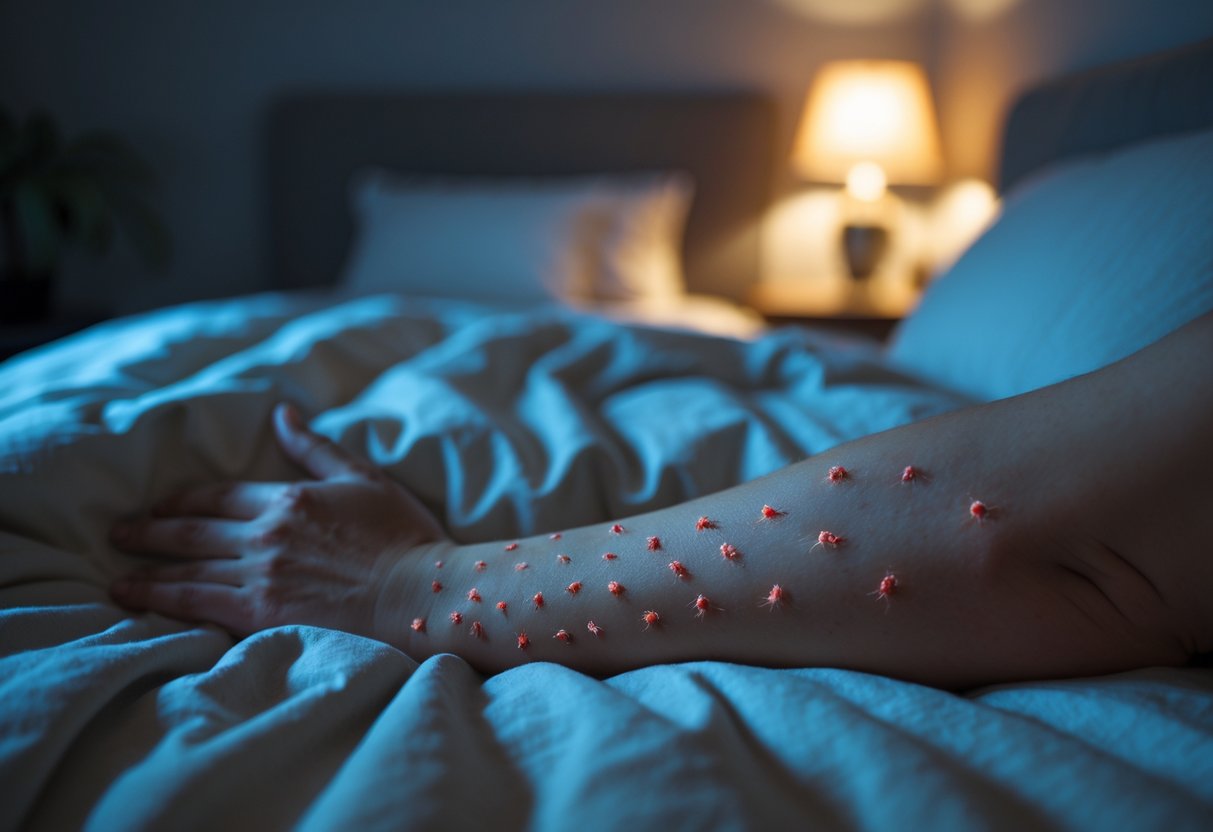
Mosquitoes usually leave small, puffy red marks that itch. Fleas tend to go for your ankles or legs.
Midges are these tiny biting flies that cause clusters of bites, especially if you’re in rural or damp places. Try checking your bedroom for clues like blood spots or little bugs—sometimes it’s easier than you’d think.
Learning about these nighttime biters might save you a lot of worry. If you’re curious about what’s biting you, knowing which insects are common in the UK and how they act is a good place to start.
That way, you can actually do something about it and hopefully sleep better. For more details, check out What is biting me at night if it’s not bed bugs? – GreenyPlace.com.
Common Night-Time Biting Bugs in the UK

Waking up with itchy red spots? It’s not always bed bugs.
Other bugs—like spiders, fleas, mosquitoes, ticks, and mites—bite at night too. If you know how their bites look and what risks they bring, you can protect yourself better.
How to Identify Bites From Spiders, Fleas, Mosquitoes, Ticks, and Mites
Spiders usually bite once or twice, leaving a small red mark that might sting a bit. Flea bites are tiny and red, often popping up around your ankles or legs in clusters.
Mosquito bites show up as raised, itchy bumps, mostly on skin that’s left uncovered. Ticks bite without pain at first, but the area can get red and swollen later.
Sometimes, a bullseye rash appears, which could be a sign of Lyme disease. Mite bites—like bird mites or scabies—cause small, red, itchy dots, often in lines or groups.
Mites usually go for warm or thin-skinned spots.
Spotting the Difference Between Flea, Tick, and Mite Bites
Flea bites are small, super itchy, and cluster around your feet or legs. If you spot several dots close together, fleas are probably to blame.
Tick bites tend to be more isolated and might not hurt right away. Watch for any weird rash that forms around the bite.
Mite bites show up as tiny, red, very itchy spots—sometimes in lines or patches. Bird mites might bite if birds are nesting close to your home.
Scabies mites burrow into your skin, causing intense itching and bumps, especially between your fingers or around your wrists.
| Bite Type | Size | Usual Location | Appearance | Key Sign |
|---|---|---|---|---|
| Flea | Small | Legs, ankles | Clustered red dots | Very itchy |
| Tick | Variable | Anywhere | Red swollen spot | Bullseye rash possible |
| Mite | Tiny | Warm, thin skin areas | Red bumps in lines | Intense itching |
Health Risks Linked to Tick Bites and Flea Infestations
Ticks can spread Lyme disease, which causes fever, headaches, and tiredness if you don’t treat it. Remove ticks quickly and watch for rashes or flu-like symptoms.
If you get symptoms, talk to a doctor. Flea infestations can trigger skin allergies and major itching.
Fleas might carry infections and scratching can cause skin problems. Mites like scabies spread fast and need medical treatment to stop the itching and skin damage.
Check your skin after being outdoors. Wash bedding often and keep your space clean to keep pests away.
For ticks, use insect repellent and try to avoid tall grass. If fleas or mites stick around, pest control might be your best bet.
You can learn more about biting bugs and how to dodge bites at UK Biting Insects – A Guide To The Top 4.
How to Treat and Prevent Bites That Happen at Night

Nighttime bites can make you itch, swell, or just feel uncomfortable. The good news? You can treat most of these problems with simple steps.
Keeping bugs out of your bedroom and using the right products when needed helps prevent bites.
Treatment Options for Night-Time Bug Bites and Reactions
Start by washing the bite with soap and water to lower the risk of infection. Hydrocortisone cream or calamine lotion helps calm itching and swelling.
If it hurts, you can try paracetamol or ibuprofen. If your skin reacts badly, take an antihistamine to help with redness and itching.
Watch your bites—if you see blisters, spreading redness, or feel warmth, those could be signs of infection. For wasp or bee stings, wash the area and try not to scratch.
Sometimes, people have severe allergic reactions like anaphylaxis. If you find it hard to breathe, your face swells, or you feel dizzy, get emergency help right away.
When to Call a Doctor or Pest Control Specialist
See a doctor if the bites hurt a lot or if you get allergic reactions like swelling away from the bite, fever, or signs of infection. People with eczema or sensitive skin might need special care for bites.
If you keep getting bitten, it’s smart to call in professional pest control. They can spot the source—fleas, mites, whatever—and handle it safely.
If you find bugs but don’t know what they are, or if bites just won’t stop, experts can help. Sometimes, cleaning isn’t enough to fix an infestation.
Proactive Prevention: Keeping Biting Insects Away Indoors
Start by keeping your bedroom clean if you want to stop bites. Wash your bedding often in hot water.
Vacuum floors and mattresses regularly. Throw on a mattress cover to block bugs—it’s a simple move that works.
Try using insect repellent with DEET on any exposed skin before you go to bed. Seal up cracks and holes in walls, windows, and doors so insects can’t sneak in.
Go for window screens if you’re tired of mosquitoes and flies buzzing around. They really do help.
If you’re in a place where mosquitoes or ticks spread diseases like malaria, grab nets treated with insecticide. Sometimes, calling in professional pest control is the smartest way to set up a lasting barrier against bugs at home.


