
Bees don’t just sting for no reason. They usually sting when they feel threatened or provoked—maybe you’ve wandered too close to their hive, or you tried to wave them away.
If you know what draws bees in, you’ll have a better shot at staying calm and avoiding stings.
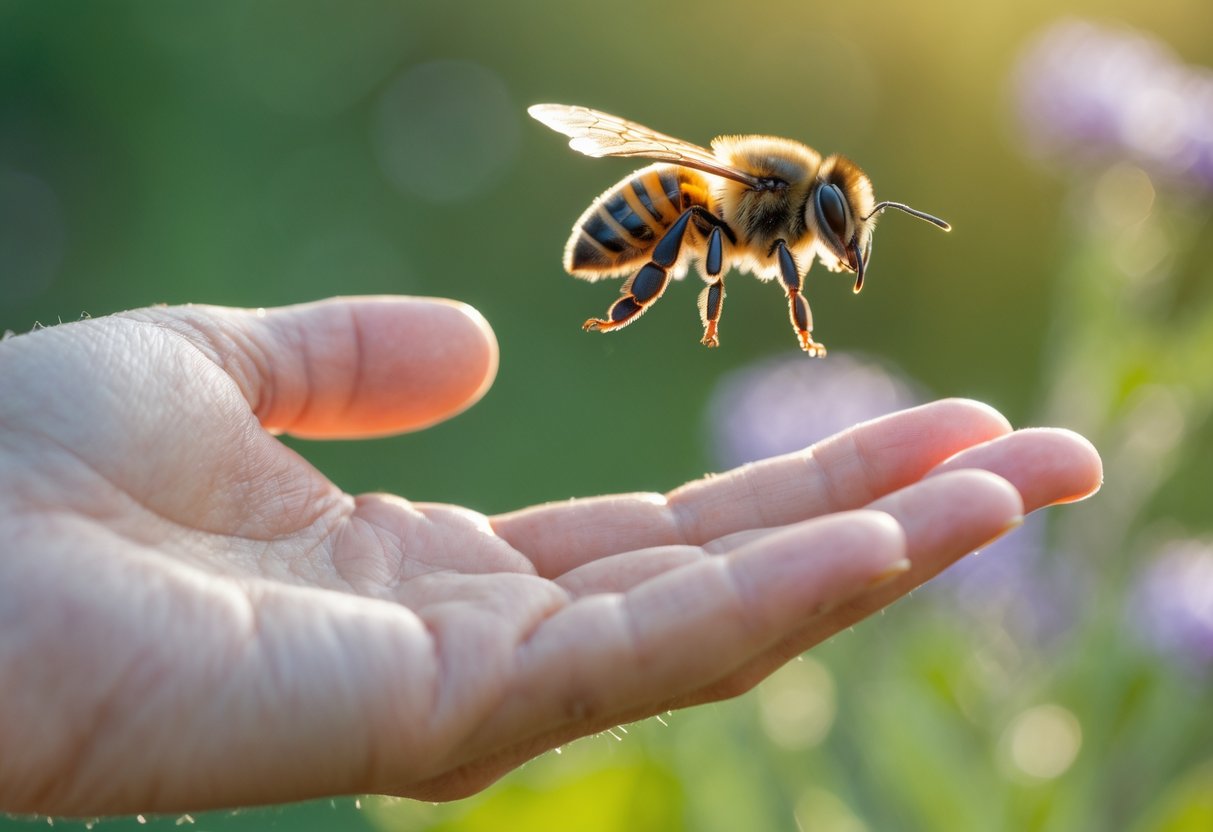
Bright colors, strong scents, and sweet smells from food or drinks tend to catch a bee’s eye. Sometimes, they might even mistake you for a flower.
It’s worth keeping these things in mind if you want to enjoy the outdoors without trouble.
Ever wonder why bees seem so interested in you? Understanding how they act—and what makes them sting—can help you stay safe.
Turns out, avoiding stings might not be as tricky as you think.
Why Bees Sting: Understanding the Triggers

Bees mostly sting when they feel threatened. Lots of things can influence how they react.
Different species defend themselves in their own ways. Some chemicals also ramp up aggression, spreading it quickly among the group.
Self-Defense Against Perceived Threats
Bees sting to protect themselves or their hive. Get too close to their home, or move suddenly, and you might trigger a defensive sting.
Honey bees have barbed stingers that get stuck in your skin, so they die after stinging. That’s a pretty serious move for them.
Bees respond to colors, scents, or even vibrations that might signal danger. Strong perfumes or flashy clothes can draw them in.
If you move slowly and avoid sudden motions, you lower your chances of getting stung.
Bumble bees, with their smooth stingers, can sting more than once if they feel threatened. That’s not exactly comforting, but at least you know what to expect.
Role of Alarm Pheromones in Aggressive Behavior
When a bee stings, it releases an alarm pheromone. This chemical tells other bees nearby that there’s danger.
The pheromone smells like bananas and can make bees go into defense mode. If you disturb a hive or squish a bee, you might attract more bees due to this scent.
Alarm pheromones boost a bee’s aggression, but they don’t sting just for fun. It’s all about protecting their colony.
If you understand this, you might think twice before making any moves that could set off alarm signals.
Differences in Stinging Behavior Among Bee Species
Honey bees, bumble bees, and wasps all sting, but they don’t all act the same.
Honey bees can only sting once because their stinger gets stuck. Bumble bees and wasps, on the other hand, have smooth stingers and can sting multiple times.
Wasps tend to be more aggressive, especially when they’re guarding their nest. Bumble bees are usually calmer, but they’ll sting if you bother them.
Honey bees generally only sting if they really feel threatened. It’s helpful to know the differences so you can react accordingly.
Attractants and Environmental Factors That Lead to Bee Stings

Certain things make bees more likely to sting. What you smell like, what you’re wearing, how you act, and even where you are—especially near bee homes—all matter.
Knowing these details could save you some pain.
Sweet Scents, Nectar, and Food-Related Lures
Bees love sweet smells because they link them to flowers and food. If you’re wearing perfume, using scented lotion, or sipping on a sugary drink, you might attract bees without realizing it.
Honey bees and bumble bees go looking for nectar and pollen, so anything that smells sweet can seem like food to them.
Bees follow these scents to find nectar. If you carry sugary snacks or wear strong fragrances, you might confuse them and end up getting stung if they feel threatened.
If you want to cut down on bee encounters, skip the strong perfumes and food scents when you’re outdoors.
Visual Triggers: Colors and Clothing Choices
Bees notice bright and dark colors. Bright shades like yellow, red, and blue can look like flowers.
Wearing floral patterns or dark clothes might also catch their attention. Beekeepers usually stick to white clothing because it doesn’t attract bees.
Light-colored, plain clothes work best if you want to avoid standing out. Strong patterns can confuse bees and make them think you’re a flower.
Your clothing choices can make a big difference if you’re trying to dodge bee stings.
Behavioral Cues: Movement, Sounds, and Proximity to Nests
Fast or jerky movements can scare bees, making them more likely to sting. Swatting at them or making loud noises can trigger their defensive side.
Bees get especially protective near their nests.
If you’re close to a hive, move slowly and keep calm. Vibrations or loud sounds near nests can upset them fast.
Staying still and quiet gives you a better shot at avoiding stings. The closer you are to their home, the more careful you should be.
Pollinator Preferences and Human Activities
Bees have their own quirks. Honey bees will defend their hive and sting if you bother them.
Bumble bees? They’re less aggressive, but they’ll still sting if they think their nest is in danger.
Most bees only sting when they feel their colony needs protection. It’s not really personal.
When people garden close to flowers or mow lawns where bees might nest, they raise their chances of getting stung.
If you step on a bee by accident, well, that’s another common way to get stung. Bees love pollinating plants, so if you hang out near flowers they visit a lot, you’ll probably run into them more often.
Staying aware of what you’re doing and where you are can help you avoid stings.
If you want more tips on what attracts bees or how to avoid getting stung, check out what attracts a bee to sting you.


