
If you’ve ever gotten stung by a bee, you know the pain can go from annoying to pretty intense. But how do you actually know when a bee sting is serious? A serious bee sting usually looks swollen and red, with big patches of redness or warmth spreading out from the sting spot. Sometimes it’s not just the swelling—there might be a lot of pain, itching, or even some blistering.

Occasionally, a bad sting brings more than just red skin. You could see swelling on your face or throat, or have trouble breathing or feel dizzy. If that’s happening, you need to get medical help right away.
It’s honestly a good idea to know what a serious bee sting looks like so you can react quickly and keep yourself safe.
Recognizing a Serious Bee Sting
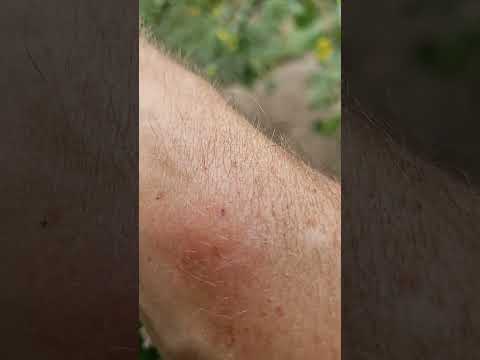
When a bee stings you, pay attention to how your body reacts. Some stings just hurt a bit and swell up, but others show warning signs that you shouldn’t ignore.
Knowing what to watch for helps you decide if you need to see a doctor.
Key Visual Signs at the Sting Site
Right after a sting, you’ll probably notice a red spot where the bee got you. That spot might swell a bit and feel sore or itchy.
But for a serious sting, the swelling can get pretty big—sometimes the area grows up to 10 centimeters across. The skin can turn dark red or even purple in places.
If you see a lot of swelling, feel extra warmth, or notice yellow or green pus, that could mean you’re dealing with an infection or a bad reaction. Sometimes the skin blisters or starts to peel.
Clean the area gently and keep an eye out for anything that seems to get worse.
Severe Local Reactions and Warning Indicators
Sometimes, swelling spreads way past the sting itself. This kind of reaction can make your hand, foot, or wherever you got stung feel tight and really sore.
The swelling might stick around for a few days or even get worse as time goes on.
If you notice pain and redness spreading quickly, or you start to feel feverish or wiped out, that could mean your immune system is overreacting or you’re getting an infection. Severe reactions can also cause weird skin colors or even small wounds.
If you spot these signs, don’t scratch and reach out to a doctor soon.
Anaphylaxis and Systemic Symptoms
Every so often, someone has a full-body reaction to bee venom—anaphylaxis. That’s the scary one, and it can kick in just minutes after the sting.
You might have trouble breathing, swelling in your face or throat, dizziness, or your heart might start racing.
Some people feel nauseous or even pass out. If you notice any of those symptoms after a bee sting, call for emergency help right away.
If you have an EpiPen, use it as soon as you notice serious symptoms. It can save your life.
Differentiating Bee Stings from Similar Insect Stings

When you get stung, figuring out what stung you can actually be pretty useful. Different bugs leave different marks and some, like bees, leave their stinger behind.
That can change how you treat the sting and how worried you should be.
Honey Bee Versus Wasp Sting Appearance
Honey bees have barbed stingers, so when they sting you, the stinger usually gets stuck in your skin. You might spot a tiny black dot where the stinger’s lodged.
The skin around it gets red, puffy, and sore.
Wasps, on the other hand, have smooth stingers. They don’t leave anything behind and can sting you more than once.
A wasp sting can look pretty similar—red and swollen—but you won’t find a stinger. Wasps tend to be more aggressive, and honestly, their stings sometimes burn more.
Characteristics of Carpenter Bee and Honey Bee Stings
Carpenter bees look a lot like honey bees, but they act differently. They rarely sting unless you trap or handle them roughly.
If you do get stung, it usually hurts less and the pain doesn’t last long.
Honey bee stings, though, usually swell up more and stick around longer because of their venom. Honey bees mostly sting to defend themselves or their hive, so those stings can be more painful and bothersome.
Both carpenter bees and honey bees inject venom, but only honey bees leave their stinger behind.
Role of the Barbed Stinger and Venom Injection
A honey bee’s barbed stinger actually latches onto your skin and refuses to let go. Once it’s stuck, the bee tries to pull away but can’t, and it usually ends up dying.
Meanwhile, the stinger keeps pumping venom for several minutes. That’s why you might notice the pain and swelling getting worse for a bit.
Wasps and hornets work differently. Their smooth stingers slip in and out easily, so they can sting you again and again.
They inject venom really fast, which ramps up the pain and swelling each time.
The venom has proteins that set off your body’s immune response. That’s what makes the area itch, turn red, or swell up.
Some folks react more strongly and can have allergic reactions. If that happens, you’ll need medical help right away.
It’s helpful to know these differences so you can react quickly and avoid extra trouble. If you want to dig deeper, check out bee and insect stings for more info.


