
Ever wondered how long a queen bee actually lives? She usually sticks around for two to five years, which is way longer than the worker bees or drones buzzing around her. This extra time on the throne keeps the hive stable and productive, since she’s the one laying all those eggs.

Curiosity about a queen bee’s life taps into something pretty fascinating. Once you get how her lifespan works, it’s easier to see why the queen matters so much for her hive’s survival.
Her role and how long she lasts really shape the whole colony’s health and growth.
Queen Bee Lifespan and Life Cycle
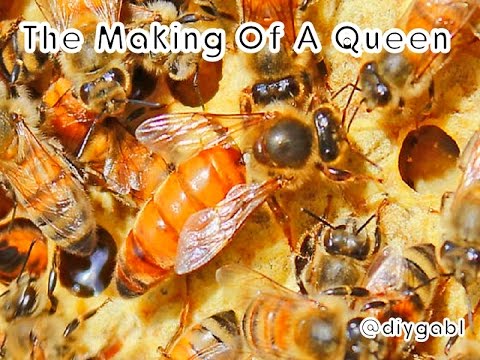
The queen bee stands out in the hive. She lives way longer than the others and goes through a life cycle that’s kind of unique.
Her ability to lay eggs and keep the colony going really depends on her health and how long she sticks around.
How Long Does a Queen Bee Live?
A queen bee can live anywhere from 2 to 5 years. In the wild, she usually makes it about 3 to 5 years, but beekeepers tend to swap queens out every 1 to 2 years to keep things running smoothly.
This long life matters because she’s the only female laying eggs. She needs enough time to crank out thousands of eggs, which keeps the colony strong.
Worker bees, on the other hand, only last about six weeks during busy times.
Life Cycle and Development Stages
Her life starts as an egg, and that takes about 3 days to hatch. She spends around 6 days as a larva, then about 7 to 10 days as a pupa.
So, in roughly 16 days, she goes from egg to adult queen.
She grows up faster and turns out different from other bees because she gets royal jelly—a special food that helps her grow bigger and develop ovaries.
This diet is why she becomes the queen in your hive.
Egg-Laying Capacity and Reproductive Role
Once she’s mature, the queen bee lays a jaw-dropping number of eggs. At her peak, she can lay up to 2,000 eggs a day.
She lays both fertilized and unfertilized eggs. Fertilized ones become worker bees, while the unfertilized ones turn into drones.
Her egg-laying literally keeps the colony alive. No queen, no new bees.
If she stops laying, the hive can’t grow or replace the older workers.
Comparison to Worker Bees and Drones
Worker bees live only about six weeks when things are busy. They handle everything from gathering food to cleaning and guarding the hive.
Drones, the males, stick around for about eight weeks and mainly just exist to mate with a queen.
Compared to them, the queen bee really does outlast everyone. She’s bigger and lives longer because of her special food and her role as the only egg-layer.
Factors Influencing Queen Bee Longevity

A queen bee’s lifespan can shift a lot depending on her genetics, the hive’s health, how you manage things, and any threats she faces.
Nutrition, stress, and disease all make a big difference in how long she’ll live and lay eggs.
Genetics and Species Differences
Her genetic background plays a big role in how long she’ll live. Some bee breeds just naturally last longer and fight off disease better.
Queens from strong genetic lines usually have better immunity and lay more eggs for longer. If you want a tough colony, it’s smart to pick queens from reliable sources.
Different species have their own timelines. Honeybee queens usually live 1 to 4 years, but bumblebee queens have a totally different cycle and usually don’t last as long since they only produce for one season.
Impact of Colony Health and Environment
The hive’s health has a direct impact on the queen’s life. A well-fed queen who gets royal jelly regularly stays healthy and fertile.
If the colony runs low on food, faces cold snaps, or gets too crowded, the queen might slow down or die sooner.
Her pheromones keep the hive chill and organized. When things get stressful or disease hits, those signals weaken, and the workers might start raising a new queen.
Human Intervention: Requeening and Beekeeping
How you manage the hive really matters for the queen’s lifespan. Beekeepers often replace queens every year or two to keep things productive.
Good beekeeping means checking on the queen’s health, getting rid of old queen cells that could spark swarming, and making sure the bees have enough food.
Careful management helps reduce stress and disease, giving your queen the best shot at a long, healthy reign.
Threats: Varroa Mites, Disease, and Swarming
Varroa mites pose a huge danger to your queen’s health. These tiny parasites don’t just target the queen—they weaken the entire colony by spreading viruses.
If you don’t keep mites under control, your queen probably won’t live as long. It’s honestly a constant battle for most beekeepers.
Disease can hit queens hard, too. Infections zap her strength and make it tough for her to lay eggs or even survive.
Swarming is another headache. When bees swarm, they start raising new queens, sometimes ending the old queen’s reign whether you’re ready or not.
You can try to reduce swarming by managing hive space and watching your timing, but it’s not always foolproof.


