
Ever wondered when bees get the most aggressive? Knowing the right time of day can actually help you steer clear of trouble. Bees usually act up the most between 10 a.m. and 4 p.m., especially as the afternoon heats up and they’re out gathering nectar and pollen. During these hours, they’re easily disturbed and much more likely to defend their hive.
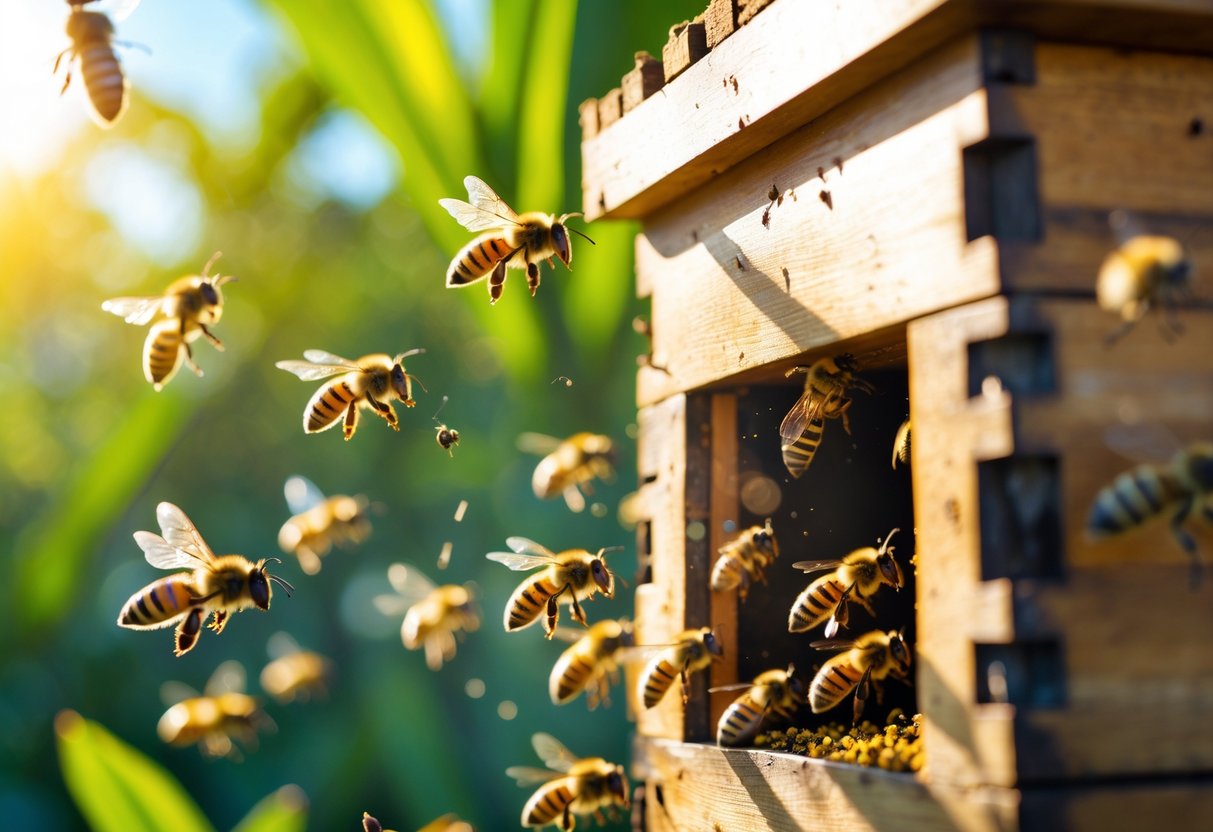
If you get a handle on their daily routine, you’ll probably avoid some unpleasant run-ins. When the sun’s blazing and temperatures climb, bees crank up their activity and guard their space more fiercely.
Why does this happen? What makes them tick, and how can you dodge a sting? Let’s dig into what sets them off and how you might stay calm around them.
When Are Bees Most Aggressive During the Day?

You’ll probably notice bees get more aggressive at certain times. Their activity depends on the weather, how warm it gets, and when they decide to forage.
These things all shape when honeybees get defensive.
Peak Hours for Bee Aggression
Bees ramp up their aggression between 10 a.m. and 4 p.m. That’s when they’re busiest collecting nectar and pollen.
While they’re out searching for food, they guard their hive more closely and get easier to rile up.
The sun sits high during these hours, and temperatures go up. That combo puts bees on high alert, so if you wander too close to their home, they’ll notice.
If you’re around flowers or hives during this window, it pays to be extra cautious. They’re on guard, protecting the colony.
Influence of Temperature and Sunlight
Heat and sunlight really change how bees behave. Bees get more active—and sometimes crankier—when the temperature rises.
Warm weather lets them fly better and gather nectar more quickly.
But if it gets too hot, bees can get irritable. They have to protect their hive and keep things cool inside.
Bright sunlight keeps them busy, which means more buzzing and a bigger chance they’ll defend themselves.
When the sun drops or the air cools, bees slow down and chill out. Mornings or late afternoons? Usually calmer than midday.
Connections to Foraging and Daily Activity Patterns
Bees follow a daily routine, mostly because they need to forage. They kick things off early when flowers open, but things really pick up from late morning to mid-afternoon.
During peak hours, honeybees hustle to collect food for the colony. They’re focused, and their patience for interruptions drops.
That’s when they’re more likely to act aggressive, keeping threats away from their hard-earned resources.
If nectar gets scarce near the hive, bees fly farther and defend what they find even more. They want to protect their effort and their colony’s stash.
Factors That Affect Bee Aggression Throughout the Day
Bee aggression shifts depending on what’s happening around and inside the hive. Weather, food, and how the bees interact all influence their mood.
Role of Weather and Wind
Weather has a huge impact on bee aggression. On warm, sunny days, bees get more active because it’s just easier to collect nectar and pollen.
They follow their circadian rhythms, so they naturally get more alert between 10 a.m. and 4 p.m.
Wind also messes with bee behavior. Strong gusts make flying tough, and bees get frustrated when they can’t forage smoothly.
When they get back to the hive after fighting the wind, they’re more defensive. Calm days? Bees seem a bit less on edge, moving around without much hassle.
If you’re near a hive on a windy or cloudy day, it’s smart to be careful. Their routine gets thrown off, so they might react more quickly.
Food Availability and Resource Defense
Nectar and pollen are the hive’s lifeblood, especially when pollination is in full swing. When food is everywhere, bees stay focused on collecting and usually don’t get too aggressive.
But when nectar and pollen run low, bees get protective. They’ll defend what’s left, and aggression spikes because the whole colony depends on those stores.
Late summer and early fall are the toughest—fewer flowers mean bees guard their stash closely.
If you’re beekeeping or just hanging around a hive during these lean times, expect bees to get more defensive, especially during their busiest hours. The need to protect resources really puts them on edge.
Social Interactions and Nesting Conditions
Inside the hive, bees are always communicating with each other. When the nesting area feels crowded or gets disturbed, bees start to get stressed out.
That stress often makes them act more aggressive, especially if they sense any threat to their queen or hive. You might notice this right away if you get too close.
Predators, hive damage, or even small changes in how things are arranged inside the hive can make bees act more defensive. They don’t hesitate to warn off anything—or anyone—that seems dangerous.
If you find yourself near a hive that’s just been disturbed, or if the bees are busy reorganizing their space, you’ll probably see more aggressive swarming or stinging. That’s just their instinct kicking in to protect the nest.
Curious about when bees get especially feisty? You can check out more details about the time of day when bees are most aggressive.


