
If you want to keep bees away without hurting them, it helps to know what really bothers them. Bees can’t stand strong smells like citronella, cinnamon, peppermint, and vinegar. These scents naturally push them away, so you can enjoy your garden or patio without too much buzzing.
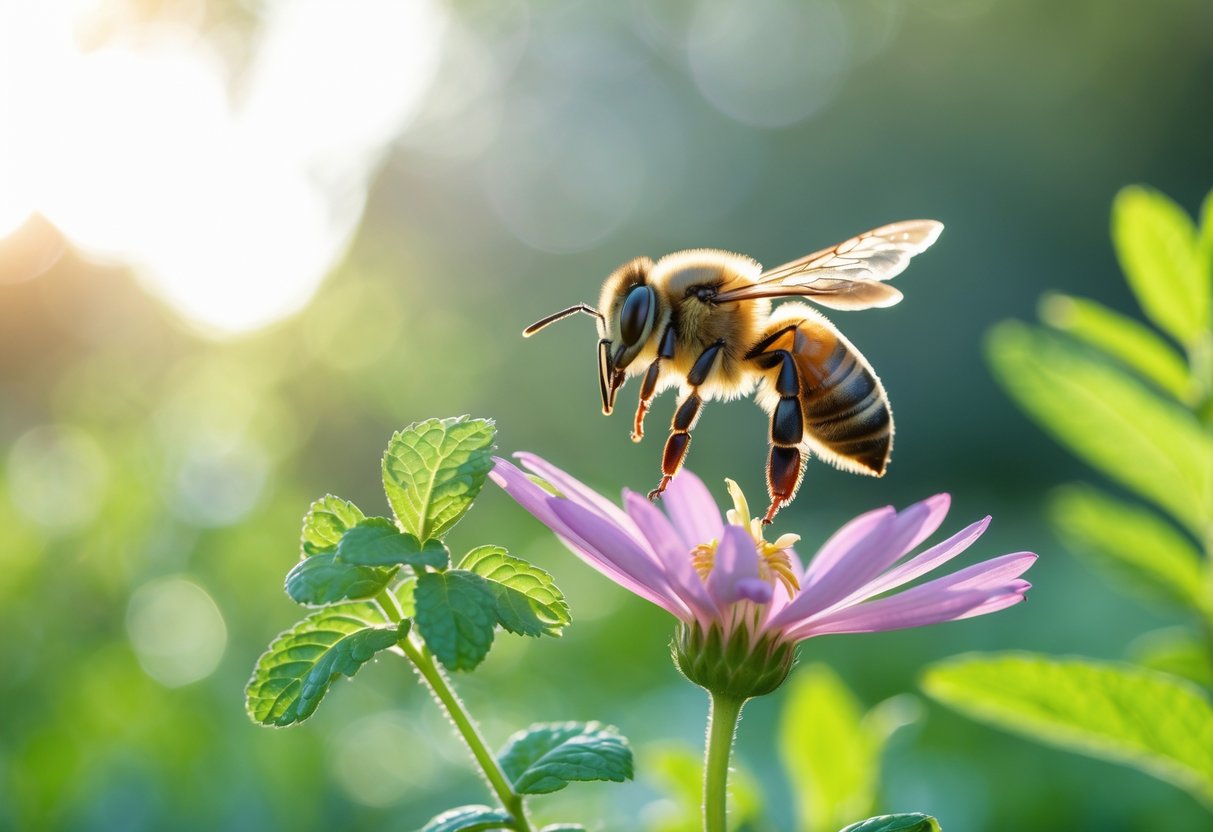
Bees also avoid dark colors like black or red. Loud noises? Those unsettle them, too.
If you know these simple things, you can make your outdoor space more comfortable for yourself and still respect how important bees are.
You might be surprised how easy it is to use things like herbs or candles to keep bees at a distance.
Curious about natural ways to keep bees away? Let’s look at what actually works.
What Do Bees Hate The Most?

Bees react strongly to certain smells, plants, and even stuff you probably have at home. If you use this info, you can keep them at bay without hurting them.
Some scents and natural things work better than others, and a few household items can help you create a bee-free spot.
Overview Of Scents And Substances Bees Dislike
Strong smells like citronella, peppermint, eucalyptus, and cinnamon really bother bees. These scents mess with their senses, so they just avoid the area.
Citronella is famous for keeping all sorts of bugs away, bees included.
You can use essential oils like mint, lavender, and lemongrass to keep bees off your patio.
Vinegar and garlic? Their sharp odors send bees packing, too.
If you sprinkle cinnamon powder around the edges of your garden, you can repel bees without chemicals.
Plants And Natural Elements That Repel Bees
Some plants naturally keep bees away, either because of their smell or because bees just don’t like them.
Marigold, lemon, and eucalyptus are great for this. Their strong scents make bees steer clear of certain spots.
Lemongrass is especially good as a bee repellent. Plant it near your seating areas or by the door.
These plants let you protect your garden or patio in a way that’s safe for bees.
Household Items And Other Bee Repellents
Some things around the house can help, too. Mothballs give off a strong scent that bees hate, but you should use them with care because of the chemicals.
Try putting out peppermint oil or citronella candles to make barriers bees won’t cross.
If you spray a little vinegar around trash cans or picnic tables, it helps keep bees away.
These repellents are easy to find and use, so you can enjoy your outdoor time without as many bees buzzing around.
Just use these scents and items thoughtfully to keep your home and garden bee-free.
For more tips and details, check out what the experts say about what bees hate most.
How Understanding Bees’ Aversions Protects Pollinators
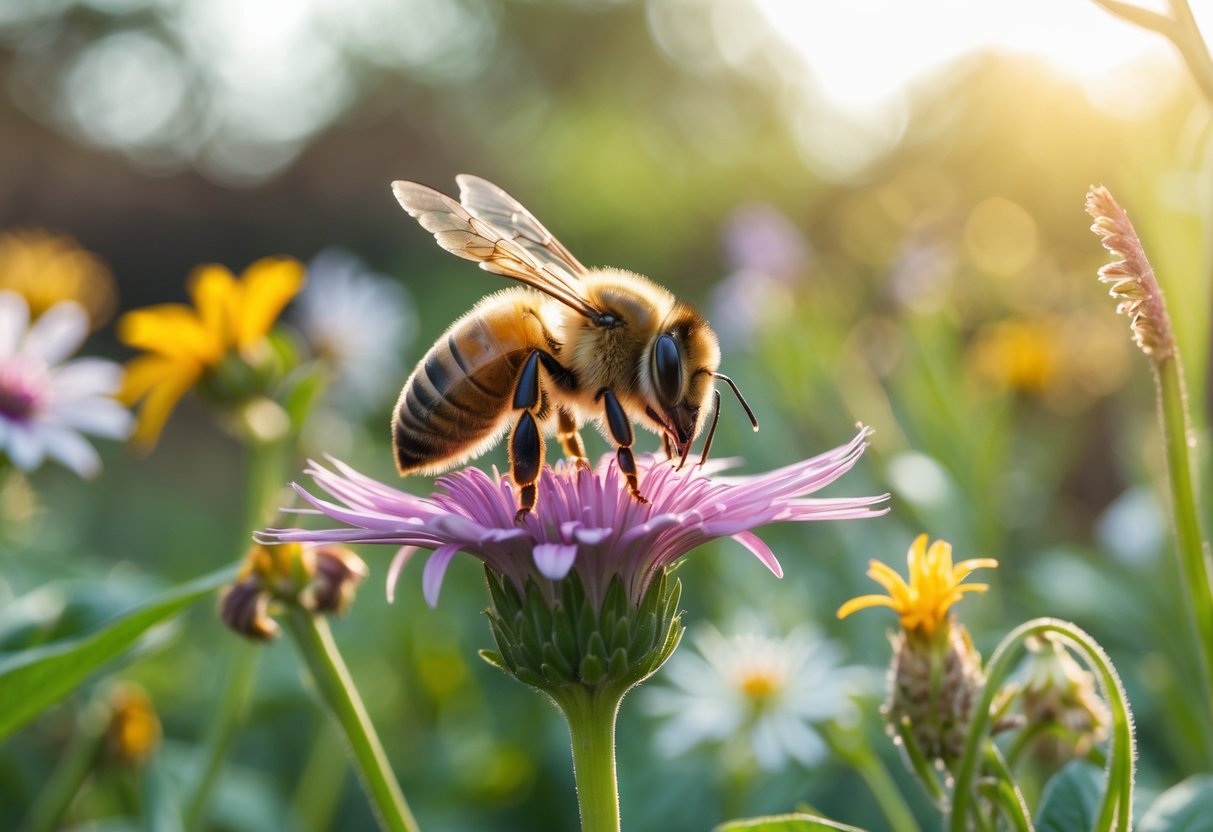
If you know what bees dislike, you can protect them while managing your garden or outdoor space.
Understanding their behavior helps you support pollination and avoid harming them.
This kind of knowledge helps you make spaces that either welcome bees or gently keep them away.
The Importance Of Bees In Pollination
Bees pollinate loads of plants—fruits, veggies, flowers, you name it. Without bees, these plants just don’t produce seeds or fruit as well.
Crops like tomatoes, blueberries, and squash need bees to grow strong.
When you support pollinators, you help keep your garden healthy and even chip in to global food supplies.
Bees move pollen from flower to flower, and that’s what lets plants reproduce.
If you protect their activity, you boost plant diversity and food production. Your garden ends up more colorful and full of life.
Creating A Bee-Friendly Or Bee-Free Environment
You get to choose if you want to welcome bees or keep them away safely.
If you want a bee-friendly garden, plant flowers loaded with nectar and pollen.
Setting up a bee house or leaving some bare soil helps native bees nest, too.
If you’d rather avoid bees, skip dark colors like black or dark blue—bees see those as threats.
Cut down on strong scents like citronella or eucalyptus in the spots where you don’t want bees.
Move slowly and gently near bees. Calm movements stress them out less.
| To Welcome Bees | To Gently Deter Bees |
|---|---|
| Plant nectar flowers | Avoid dark clothes |
| Provide bee houses | Use natural scent barriers |
| Leave patches of soil | Move slowly |
Ethical Bee Deterrent Methods
Using harmful chemicals or traps kills bees, which really hurts pollination and the environment. Instead, why not try natural methods that actually respect bee conservation?
Try essential oils like peppermint, or even cucumber peels—bees just don’t like those, but they won’t get hurt. Skip spraying pesticides near flowers if you want to keep pollinators safe.
Keep your trash sealed and your food covered, especially at picnics. That way, you’ll attract fewer unwanted bees.
When you pick gentle deterrents, you protect bees and keep yourself safe, too. Want more ideas for natural repellents? Check out what bees dislike the most in a garden setting.


