
Ever wondered if bees can tell when you’re scared? You might assume they can literally smell fear, but that’s not quite how it works.
Bees don’t detect fear the way humans do, but they definitely notice the chemical signals your body gives off when you’re anxious or stressed.
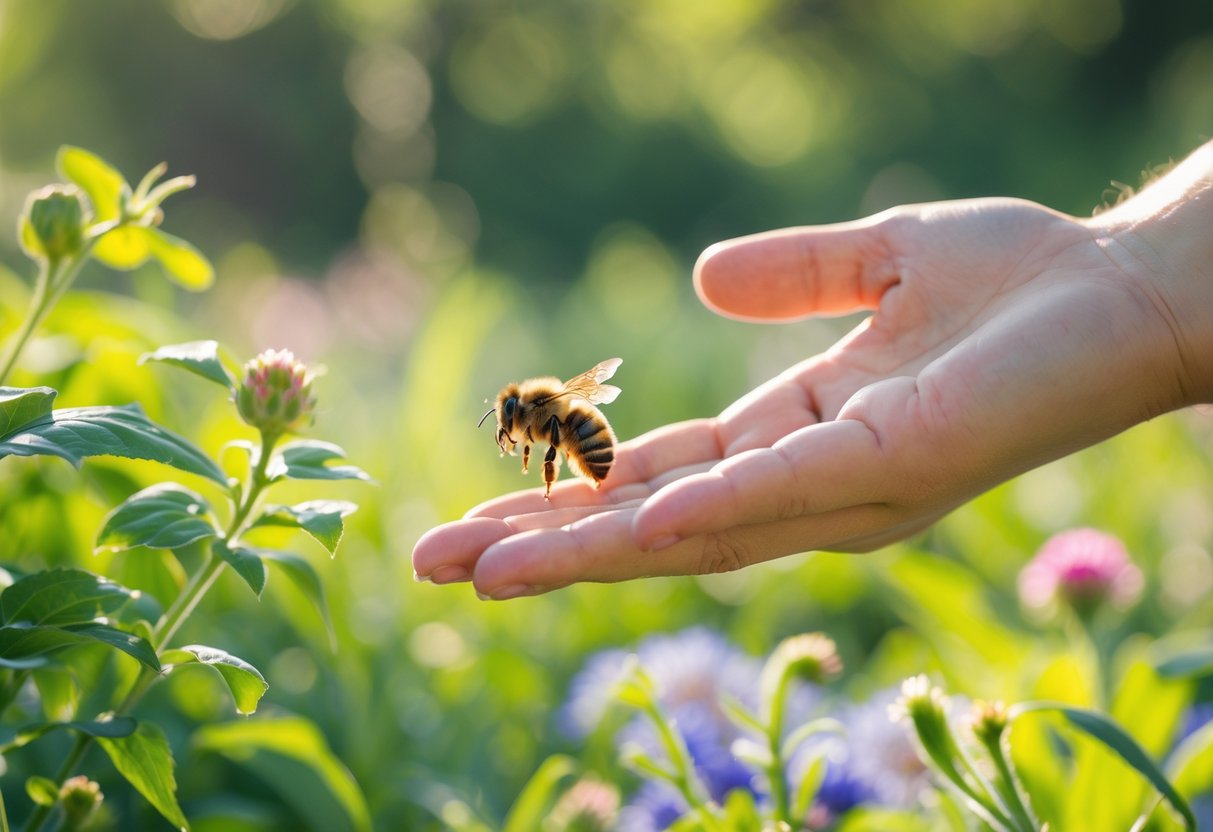
When you get nervous, your body changes, and bees pick up on things like sweat or pheromones. They react more to these signals and your movements than to your actual feelings.
If you understand this, you can stay calm and avoid getting stung. It’s honestly pretty helpful if you spend much time outside around bees.
You’ll have a better shot at keeping things peaceful with these busy little insects. Let’s dig into how bees notice these signs and what you can do to keep safe.
How Bees Sense Human Fear

Bees don’t recognize fear in the way people do, but they sure pick up on the signals your body puts out when you’re scared. These include certain smells and sudden movements, which can make bees act more defensively.
If you get how bees notice these things, you’re less likely to get stung.
Understanding Bee Perception
Bees have incredibly strong senses, especially when it comes to smell. They don’t feel emotions like we do, but they notice changes in their environment that happen when you’re scared.
For example, when you get nervous, your body gives off chemicals and your breathing changes. Honeybees use their sense of smell to pick up on these chemical shifts.
They can tell if something’s off by detecting unusual scents around them. This skill helps them react quickly and protect their hive.
Role of Pheromones and Smell
If you’re afraid, your body releases special chemicals called pheromones. These invisible signals just happen naturally during stress.
Bees can smell these fear pheromones and treat them as a possible warning. They also use alarm pheromones to alert other bees about danger.
When bees pick up your fear pheromones mixed with their own alarm scents, they get more defensive. So, while bees can’t literally “smell fear,” they detect the chemical signals tied to it with their powerful noses.
Body Language, Movement, and Cues
How you move really matters. If you’re nervous and start waving your arms or moving suddenly, bees see that as a threat.
Your body language and quick movements can trigger their defensive side. Bees also pick up on your body heat and the noises you make when you’re scared.
These little cues add to what they use to decide if they need to protect themselves. If you stay calm and move slowly, you’re way less likely to freak bees out.
For more on how fear pheromones affect bees, check out bees sense fear here.
Bee Reactions and Human Interactions

Bees mostly react to what you do around them. Your movements, your breath, and how calm or jittery you are can all affect how bees behave.
If you understand these reactions, you’re more likely to avoid bee stings.
Why Bees Become Defensive
Bees get defensive to protect their hive. When they sense a threat, they release pheromones that tell other bees to get ready for trouble.
These chemical signals spread fast and can make a bunch of bees aggressive at once. If you move quickly or wave your hands, bees might decide you’re a threat.
Breathing fast because you’re scared releases more carbon dioxide, and bees can pick up on that too. This just makes them more likely to defend themselves.
Bees have a barbed stinger that sticks in the skin. After stinging, the bee usually dies, so they don’t do this unless they really feel threatened.
Knowing this, it makes sense to stay calm and avoid provoking them.
Beekeeper Strategies and Experience
Beekeepers figure out how to work calmly around bees to avoid getting stung. They wear protective suits and move slowly, which keeps the bees relaxed.
Experienced beekeepers also use smoke to mask alarm pheromones and calm the hive. This trick lets them check on bees without setting off a defensive reaction.
If you want to avoid bee stings, do what beekeepers do—move slowly, stay calm, and skip sudden actions. A little calm energy goes a long way with bees.
Fear of Bees and Apiphobia
Fear of bees—apiphobia—can really mess with how you act around them. When you get nervous, you probably start breathing faster or moving more.
Bees actually notice that kind of thing. They seem to pick up on the energy, and, honestly, it can make them more likely to react or even attack if they sense danger.
If you’ve got apiphobia, it helps to practice staying calm. Try slowing your breathing, and do your best not to panic if a bee comes close.
Just standing still and keeping quiet can make a big difference. You’re way less likely to get stung if you avoid sudden movements.
Bees usually won’t bother you unless they feel threatened. So, if you can keep your cool, you’ll lower your chances of a bee attack and probably feel a bit safer around them.
Want to dig deeper? Check out bee reactions to fear for more info.


