
Ever wondered when bees get crankiest? You’re definitely not alone. Figuring out when bees are most on edge can save you from some nasty stings and help you enjoy your time outside without worry.
Bees ramp up their aggression in the late morning through mid-afternoon, usually from 10 a.m. to 4 p.m., when they’re buzzing around collecting nectar and pollen.
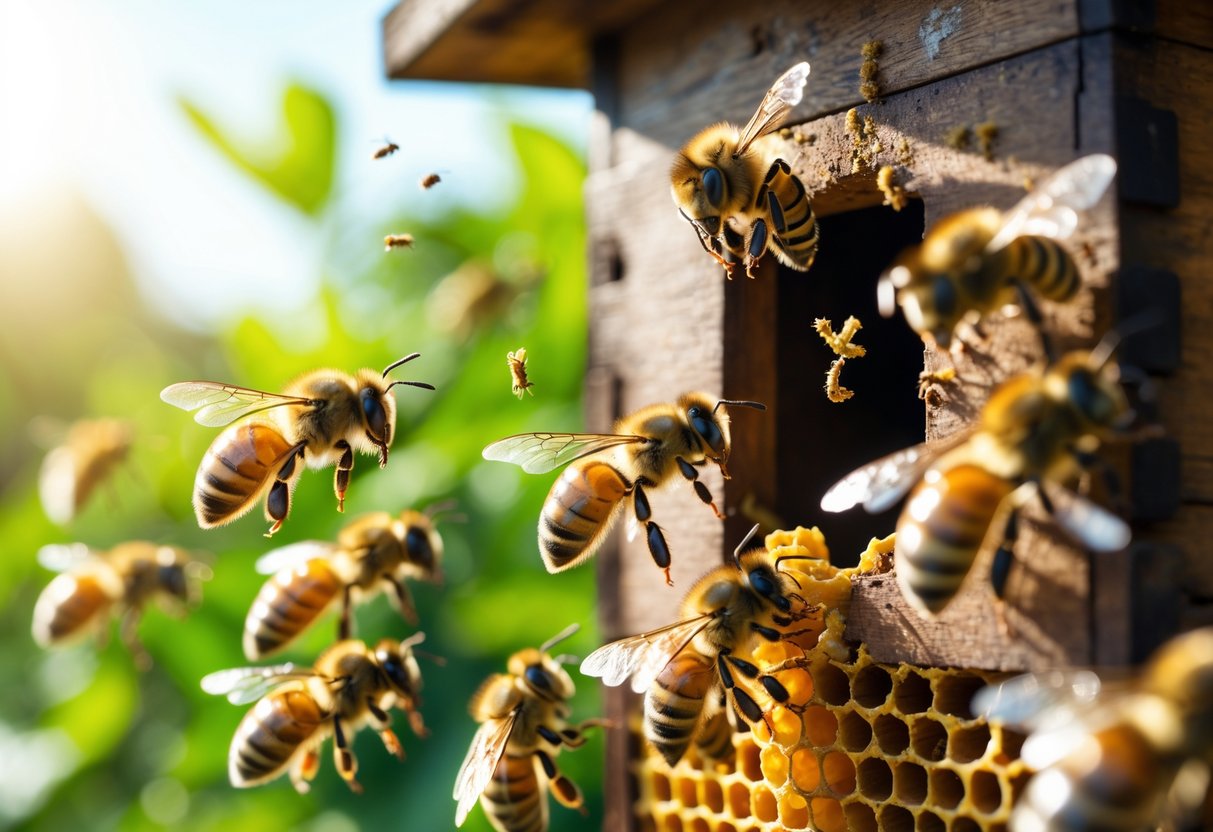
During those hours, bees really kick into gear. They guard their hive and food sources with extra intensity.
If you bother them or even just get too close, they’ll get defensive fast. Early mornings and evenings, though? Bees chill out, resting and minding their own business.
If you plan your outdoor fun around those calmer times, you’ll probably dodge most bee run-ins.
It honestly helps to get why bees act this way. Respecting their space makes being outside way more pleasant.
Curious about what else affects bee moods, like weather or temperature? Keep going—there’s more to learn.
Want a deeper dive? Here’s a handy guide on when bees are most aggressive.
Daily Patterns of Bee Aggression

Bees stick to daily routines that really shape when they get defensive. Their behavior shifts with sunlight, time of day, and those internal body clocks.
It’s honestly fascinating how much their “mood” changes. If you get this, you’ll avoid stings and maybe even appreciate them a little more.
Time of Day When Bees Are Most Aggressive
Bees really get on edge between 10 a.m. and 4 p.m. That’s their prime work window, so they’re out gathering nectar and pollen like there’s no tomorrow.
The sun and warmth make them super active.
If you wander near a hive or blooming flowers during this time, you’re more likely to run into cranky bees. Cooler mornings or evenings are safer bets—bees just don’t care as much then.
So, if you want to steer clear of trouble, try to plan your outdoor activities around the edges of their busy hours.
How Circadian Rhythms Affect Aggression
Just like us, bees have internal clocks—circadian rhythms—that tell them when to work, rest, and protect the hive.
When daylight peaks, bees get alert and jumpy. As the sun dips or darkness falls, their rhythm signals it’s time to wind down.
You can almost predict their moods if you pay attention to the light outside.
Peak Activity Periods and Sunlight
Sunlight really flips the switch for bees. They’re most active when the sun is shining bright, usually early to mid-afternoon—think around 2 p.m.
Bees use the light to navigate and hunt for flowers, so they hustle more when it’s sunny.
On cloudy or cool days, bees take it easy. Less activity means less aggression.
If you’re not a fan of bee encounters, those overcast days might be your best friend.
Differences Between Honeybees and Other Bees
Not every bee acts the same. Honeybees generally keep to themselves unless you mess with their hive.
Bumblebees or yellow jackets? They can get a lot feistier, sometimes for reasons that seem random. Honeybees follow daily patterns, but wild bees can be all over the place.
If you know which bees are around, you’ll handle things better.
You can check out more info on bee behavior here: resource on bee daily activity and aggression.
Environmental and Behavioral Triggers

Bees don’t just get angry for no reason. Weather, food-searching, their social life, and how you treat them all play a part.
A few small changes in their world can make them a lot more likely to sting.
Impact of Temperature and Weather
Temperature really cranks up bee activity. When it’s warm—over 70°F (21°C)—bees get busy.
Heat helps them fly and collect nectar, but it also makes them easier to rile up.
Wind and rain slow bees down. They tend to stick close to the nest and don’t bother much with stinging.
But on hot, sunny days? Bees get protective and guard their hive closely.
If you’re not looking for trouble, pick cooler, calmer weather to be around bees.
Role of Foraging for Nectar and Pollen
Bees hustle for food from late morning to afternoon, mostly between 10 a.m. and 4 p.m. That’s when they gather nectar and pollen for the colony.
They focus on their job, but if you get too close or move suddenly, bees might see you as a threat.
Fewer flowers mean bees defend their territory harder. If food is scarce, they won’t hesitate to chase you off.
Social Interactions Within Colonies
Life inside a bee colony is busy. Bees work together to protect the queen and their stash of resources.
If they sense a threat—maybe a big animal or a careless person—they sound the alarm fast.
Pheromones (those chemical signals) spread through the hive and get everyone on guard.
You’ll probably see more bees standing watch near the entrance during busy hours. If you respect their space, you’re much less likely to get stung.
Influence of Beekeeping Practices
If you keep bees or visit hives, the way you handle them really shapes their mood. Calm, slow movements usually help keep stress and aggression down.
Most beekeepers throw on protective gear and grab a smoker before checking hives. Smoke actually masks alarm pheromones, so bees don’t get so defensive.
Ever watched a beekeeper at work? They move gently and try not to make a racket.
These careful habits make the bees less likely to get aggressive. Honestly, just learning a few basics can make your time with bees way smoother and a lot less nerve-racking.


