
If you’ve ever bumped into a bumble bee, you might find yourself wondering whether they’re aggressive or if you should worry about getting stung. Honestly, bumble bees are pretty gentle and don’t act aggressively unless they feel threatened or you mess with their nest.
Most of the time, they’re just busy collecting nectar and pollen, not really paying attention to people.

You’ll probably spot them buzzing around flowers in your garden, just minding their own business. They’re usually calm and focused on their work.
If you know when and why bumble bees might sting, you can avoid surprises and keep yourself safe. Getting familiar with how they behave might even make you appreciate these fuzzy pollinators more—they’re actually super important for the environment.
Curious about how to spot signs of aggression or want tips for avoiding trouble with bumble bees? Keep reading and get the facts straight from the source. Understanding their nature honestly makes spending time outside a lot more enjoyable.
For more on their typical behavior, check out this guide to bumble bee aggression.
Are Bumble Bees Aggressive?

Bumblebees mostly just want to collect nectar and pollen. They don’t show aggression unless they feel their nest is in danger or you trap them.
If you know how they act compared to other stinging insects, when they actually sting, and the difference between males and females, it gets a lot easier to share space with them.
Common Misconceptions About Bumblebee Aggression
A lot of people think bumblebees are aggressive and sting at the drop of a hat. That’s just not the case.
Bumblebees usually stay calm and only sting if they feel directly threatened. They don’t go after people for no reason.
You won’t see bumblebees chasing people like some wasps do. Gathering food is their top priority, not bothering humans.
Their big, fuzzy bodies might look intimidating, but honestly, they’re gentle most of the time. If you want more details about their behavior, check out this article on bumblebee behavior and stinging.
How Bumblebee Behavior Compares to Wasps and Honeybees
Bumblebees act much calmer than wasps or honeybees. Wasps can get aggressive and sting over and over. Honeybees defend their hive fiercely and can only sting once.
Bumblebees can sting more than once, but they rarely do. They’re not very territorial unless you get near their nest.
If you’re just near bumblebees and not their nest, you probably won’t get stung. Wasps and honeybees are more likely to sting if they feel threatened.
This difference is why people see bumblebees as more tolerant toward humans. If you want to compare more, take a look at PollenPaths.
When Bumblebees May Sting
Bumblebees sting mainly to protect themselves or their nest. They don’t attack just because you’re close by.
If you trap one, maybe against your skin, it might sting. They also sting if something threatens their colony, like a predator or another insect.
If you get too close to their nest or try to handle them, you’re more likely to get stung. Staying calm and moving slowly around them helps a lot.
They really only use their sting as a last resort. For more tips on avoiding stings, check irescuebees.com.
Do Male and Female Bumblebees Behave Differently?
Female bumblebees have stingers and use them mostly to defend the colony or themselves. They’re the ones out collecting food and taking care of the nest.
Male bumblebees, or drones, don’t have stingers at all. They can’t sting people or animals.
Males mostly focus on mating and don’t protect the nest. Knowing this can make you feel a bit safer around them.
Females get more defensive if you disturb their environment. For more info on the roles and behavior of male and female bees, check WhatBugIsThat.
Bumblebee Behavior and Their Role as Pollinators
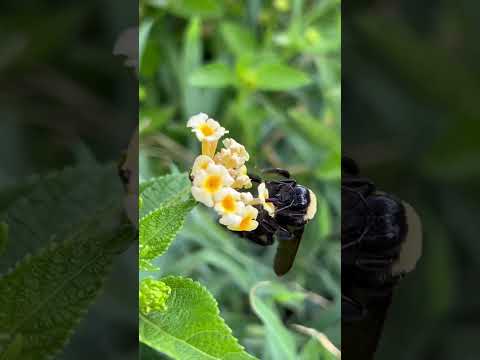
Bumblebees spend most of their day gathering nectar and pollen. That’s what makes them such important pollinators for so many plants.
Even though they’re gentle, they’ll defend their nests if they have to. Their work helps gardens and city spaces by keeping plants healthy and flowers blooming.
Social Structure and Nest Defense
Bumblebees live in small colonies with a queen in charge. The female workers collect nectar and pollen to feed everyone.
You won’t see them act aggressively unless their nest is in danger. If you get too close to the nest, worker bees might sting to protect their home.
But when they’re outside the nest, they just focus on finding food. This careful defense helps their colony stay strong.
What Attracts Bumblebees to Gardens and Urban Areas
Bumblebees show up wherever they find lots of flowers. Gardens, parks, and even some city spaces offer nectar and pollen.
You can attract bumblebees by planting a variety of flowers that bloom at different times. They like open, sunny spots with easy access to blossoms.
Gardens with diverse, bee-friendly flowers draw in more bumblebees and help their populations, especially as they lose natural habitats.
The Importance of Bumblebees for Bee-Friendly Flowers
Bumblebees play a huge role in pollinating bee-friendly flowers like clover, lavender, and wildflowers. They buzz from bloom to bloom, carrying pollen and helping plants reproduce.
If you want to support bumblebees, pick plants that burst with nectar and pollen. Doing this really helps fight habitat loss and gives bee conservation a boost.
When pollinators thrive, your garden usually rewards you with more color and blooms. Who wouldn’t want that?
Curious about bumblebee behavior or just wondering if they’re aggressive? Check out more at https://pollenpaths.com/are-bumble-bees-aggressive/.


