
Ever been near a bee and felt that little jolt of worry it might sting? You’re definitely not alone. The thing is, most bees won’t actually sting if you just stay still and keep calm.
Bees tend to sting only when they feel threatened, so standing still usually keeps you out of trouble.

If you move quickly or start swatting, bees can get spooked and go into defense mode. Staying calm and skipping those sudden moves gives the bee a chance to buzz off without feeling like it needs to defend itself.
Understanding how bees react around people can really help you avoid stings. It also makes being outside a bit more enjoyable, honestly. Want a few simple tips on what to do if a bee comes near—or even lands on you? Keep reading.
Will Bees Sting You If You Stay Still?

Bees sting mainly to protect themselves or their hive. Your actions can either calm them down or make them feel threatened.
Different bees have different personalities. Knowing what kind of bee is buzzing around helps you figure out how to act.
Why Bees Sting and What Triggers Their Aggression
Bees sting for defense. If they sense danger to themselves or their hive, they get ready to sting.
Fast movements, swatting, or stepping on a bee can make it panic. Sometimes you don’t even see it coming—sudden actions are often what set them off.
Bees use their stinger as a last resort. If you stay calm and avoid quick moves, the bee usually just leaves you alone.
Bright colors or strong smells like perfume can attract bees, so it’s smart to avoid those if you’re worried about stings.
Impact of Staying Still Versus Moving
If a bee comes near, standing still is your best bet. When you don’t move, the bee usually gets bored and flies away.
Moving too quickly makes you look like a threat and can trigger a sting.
If you need to leave, walk away slowly and calmly—don’t run. Bees might think you’re attacking if you bolt.
Let the bee settle, and if it lands on you, gently brush it off with something soft. That way, you lower your chances of getting stung.
Differences Among Honey Bees, Bumble Bees, and Africanized Honey Bees
Honey bees usually act gentle, unless you mess with their hive. If they sting, their barbed stinger gets stuck and they die after.
Bumble bees are bigger and generally less aggressive. They rarely sting unless you really bother them.
Africanized honey bees (yeah, those “killer bees”) act more aggressively. They can sting more than once and tend to attack in groups if they feel threatened.
If you see a bunch of bees zooming around a nest, it’s best to just leave the area right away.
Knowing these differences helps you decide how to stay cool and safe when bees are around.
How to React When Encountering Bees
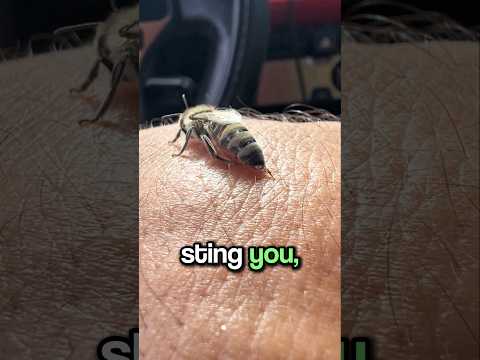
How you act when you bump into bees really matters. Staying calm and spotting warning signs can keep you safe.
If bees get aggressive or you get stung, acting quickly is important.
Recognizing the Signs of a Bee Attack
Bees often warn you before they attack. You might notice them zipping around faster or hear them buzzing louder than usual.
If a bee starts acting jumpy or lands on you, pay attention.
Bees release a special smell, called an alarm pheromone, when they feel threatened. This smell can attract more bees to join in.
If bees start to swarm or circle you, they probably think their hive is in danger.
Don’t swat or wave your arms—just keep still or move away slowly. Sudden moves can make things worse.
Handling Swarms or Aggressive Behavior
If a swarm of bees comes at you, get to safety as fast as you can. Run in a straight line—don’t zigzag.
Don’t jump into water; that trick doesn’t really work, and bees might just wait for you.
Cover your face and head with your hands or clothing if you can. Bees often aim for your eyes, nose, and mouth.
Try to stay calm, even though it’s tough.
If you’re near home, get inside quickly and shut the doors behind you to keep more bees from following.
Bee Sting Treatment and Allergic Reaction Response
If a bee stings you, try to get the stinger out fast—just use your fingernails or maybe the edge of a credit card. Don’t squeeze it, or you’ll probably push more venom into your skin.
Wash the spot with soap and water. That part’s pretty straightforward.
Grab a cold pack and press it on the area to help with pain and swelling. Over-the-counter creams or antihistamines can take the edge off the itch.
If you suddenly can’t breathe, your face starts to swell, or you feel dizzy, those are big red flags for a serious allergic reaction. Use your epinephrine injector right away if you’ve got one.
Call for emergency help as soon as possible. Don’t wait around—better safe than sorry.


