
Bee stings happen a lot, especially if you spend time outside in the U.S. during the warmer months. Most of the time, a bee sting just causes some mild pain, redness, and swelling that fades pretty fast.
But sometimes, a bee sting can turn serious—especially if you have a strong allergic reaction or get stung several times.
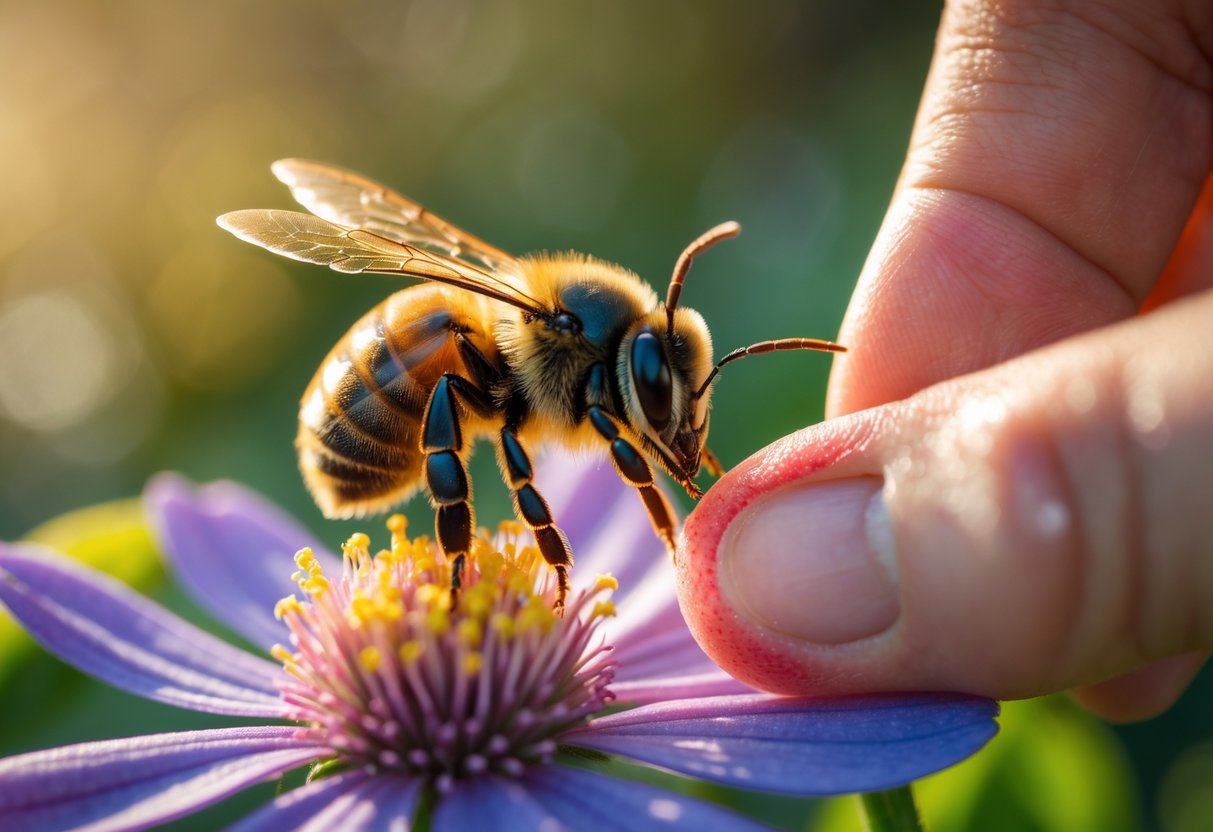
Not every insect sting is the same, and your body might react differently each time. While most people just shrug off bee stings, others can experience dangerous symptoms like trouble breathing, facial swelling, or dizziness.
It’s smart to know when a bee sting might be a real emergency.
When Can a Bee Sting Be Serious?

Most people only get mild reactions that go away by themselves. But sometimes, stings trigger stronger allergic responses and you’ll need medical help.
If you get stung by a bunch of bees or notice weird symptoms, things could get serious.
Types of Bee Sting Reactions
When a bee stings, it injects venom into your skin. That can cause different reactions.
A mild reaction usually means some redness, pain, and swelling right where you got stung. It might last a few hours or a couple of days and usually just needs basic care—think cleaning and ice.
A moderate reaction brings more swelling, redness, and itching that spreads past the sting site. It can last several days, but it’s not usually dangerous.
A severe reaction happens when your immune system goes a bit overboard with the bee venom. You might see intense swelling, redness, and sometimes even fever.
If that happens, you need medical help, since it can lead to really serious issues like anaphylaxis.
Recognizing Severe Allergic Reaction
If you start feeling symptoms beyond the sting area, pay close attention. Severe allergic reactions can show up as:
- Trouble breathing or wheezing
- Swelling in your face, lips, or throat
- Fast heartbeat or dizziness
- Hives or a rash all over
- Vomiting or stomach pain
These signs point to anaphylaxis. It usually kicks in within 15 minutes to an hour after the sting, and honestly, it can be life-threatening.
If you notice these symptoms, don’t wait—get emergency help right away.
Risks of Multiple Bee Stings
Getting stung by a bunch of bees, wasps, hornets, or yellow jackets at once is a whole different story. Each sting adds more venom, and that can overwhelm your body even if you’re not allergic.
You might get strong pain, swelling, and sometimes even symptoms like nausea, headache, weakness, or confusion.
If you end up with multiple stings, see a doctor as soon as possible. People who get stung a lot need careful monitoring, even if they’ve never had an allergy.
Want more details? Check out this guide on bee sting symptoms and allergic reactions.
Treatment and Prevention of Serious Bee Sting Reactions

Serious reactions to bee stings need quick action and the right care. Knowing how to respond, when to grab medications like epinephrine, and how to avoid stings in the first place can make a big difference.
Emergency Response and First Aid
If you or someone else shows signs of a serious reaction, act fast. Watch for trouble breathing, swelling in the face or throat, dizziness, or even passing out.
- Call 911 or emergency services right away.
- If there’s a stinger, scrape it out gently with something flat, like a credit card. Don’t squeeze it—squeezing can push in more venom.
- Try to sit or lie down with your feet up while you wait for help.
- For mild reactions, wash the area with soap and water, use a cold pack, and maybe take an antihistamine for itching or swelling.
Epinephrine and Medical Management
Epinephrine is the go-to medicine for serious allergic reactions. If you know you’re allergic, you should carry an epinephrine auto-injector like an EpiPen.
- Use the auto-injector as soon as you spot a severe reaction.
- After you use epinephrine, call for emergency help—even if you start to feel better. You might still need more care.
- Doctors may give you antihistamines and corticosteroids to help with symptoms after the emergency.
- Sometimes, allergy shots or immunotherapy can help lower your risk for future serious reactions by building up your tolerance to bee venom.
Prevention and Reducing Future Risk
Honestly, the smartest way to dodge serious reactions? Just try not to get stung in the first place.
You might want to stick with light-colored clothes and skip the scented lotions when you’re outside. Bees and other stinging insects seem to love those strong smells.
It’s probably best to steer clear of places crowded with bees or tons of flowers, too.
If you already know you’re allergic, always keep your epinephrine auto-injector close by. Make sure your friends and coworkers know about your allergy and what to do if something happens.
For longer-term peace of mind, you could ask your doctor about allergy shots. These shots might help your body react less over time and could lower your risk of a really bad reaction.


