
So, you’ve started noticing bees buzzing around your yard or maybe even sneaking indoors. You’re probably wondering how to get rid of them without making things worse. Honestly, the smartest way to deal with bees is to call a pest-control expert. They’ll figure out what kind of bees you’ve got and remove them in a way that doesn’t mess up the environment.
This route protects your home and helps keep bees doing their important work out in nature.
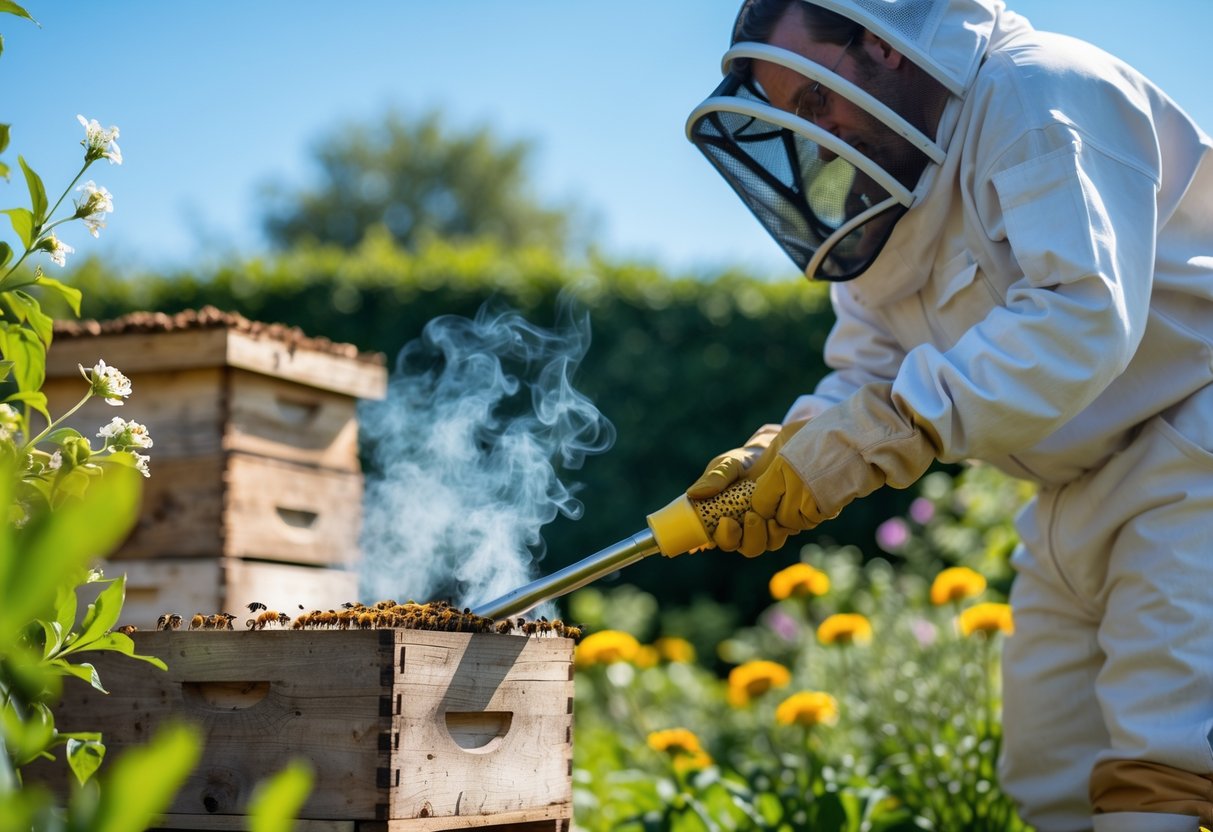
You don’t always need harsh chemicals or risky tricks. Some natural solutions—like certain plants or common household stuff—can convince bees to move on.
If you handle bees the right way, you’ll stay safe, which is especially important if anyone around has allergies.
Maybe they’re nesting in your walls or just hanging out in the garden. Figuring out what kind of bees you’ve got can save you headaches and money.
Let’s get into some practical ideas that actually work, so you and the bees can both be safe.
Effective Ways to Get Rid of Bees

If you want to keep bees away from your house, you need to know what attracts them in the first place. You’ve got a few safe options to keep them at bay, whether you use natural repellents or gentle traps.
Understand What Attracts Bees
Bees love sweet smells, flowers, and cozy spots to start a hive. If you want to discourage them, keep an eye out for things that might tempt them closer.
For example:
- Food scraps in open trash cans
- Bright flowers right by your door or windows
- Puddles or standing water
- Bare wood, which carpenter bees especially love
Carpenter bees dig into wood, so seal up cracks and slap on some paint where you can. Honeybees and ground bees look for safe hive spots, so block any little entry points.
If you know what draws bees in, you can stop them before they settle down.
Use Natural Bee Repellents
Natural repellents can confuse bees or make your space less appealing. You can try things like:
- Citronella candles or sprays
- Cinnamon sprinkled around busy spots
- Vinegar sprayed on surfaces
- Garlic water, made by soaking minced garlic overnight
These choices are gentle and won’t hurt pollinators that help your garden. If you reapply them around doors, windows, and outdoor hangouts, you’ll notice fewer bees.
Skip strong perfumes or floral scents, since those just attract more bees. Stick to these natural fixes for a safer, bee-friendly yard.
Try Bee Traps and Barriers
Bee traps can catch bees without hurting them, and they’re handy if you want your yard to be less buzzy. You can make your own with sugar water or fruit juice inside a container with small holes. Bees go in, but they can’t figure out how to get out.
Screens on window vents and under eaves keep bees from sneaking inside. Covering wood piles or sheds with netting can also stop carpenter bees from moving in.
Be careful with traps—check and relocate them often, so bees don’t get stuck and die, which could attract more pests.
Relocate or Remove Beehives Safely
If you spot a hive on your property, don’t try to destroy it yourself. Bees matter, and if you handle things wrong, you’ll get aggressive swarms and probably some stings.
Call a professional beekeeper or pest control expert to safely move the hive without hurting the bees. They’ve got the gear and know-how to handle honeybees, carpenter bees, or ground bees.
If a hive is actually dangerous, pros can remove it safely. They’ll focus on methods that protect everyone—your family, your guests, and the bees.
Natural Repellents and Safe Deterrents

You can use plants, strong scents, and homemade sprays to keep bees away. These ideas are natural, safe for your garden, and pretty easy to try. They won’t hurt bees, just make them want to go elsewhere.
Plant Bee-Repelling Herbs and Flowers
Some plants naturally keep bees at a distance. Marigolds, eucalyptus, and lemongrass are good picks. Their scents aren’t bee favorites, so bees usually skip past them.
Mint is another solid choice and it’s easy to grow (maybe too easy—keep it in pots if you don’t want it everywhere). Garlic works too; its strong smell makes bees think twice, and you can use it fresh or dried.
Plant these near patios or play areas to cut down on bee visits without reaching for chemicals.
Use Strong Scents to Keep Bees Away
Bees really dislike certain strong smells. Citronella candles or oils are popular since they also keep mosquitoes away. Lighting a few citronella candles around your patio can help set up a bee-free zone.
Cloves, cinnamon, or eucalyptus oil also work. Place them near doors or hang some outside. You can even hang mothballs in screened areas, but keep them away from kids and pets.
Since bees use their sense of smell to find flowers, these strong scents throw them off or just make your space less attractive. Try these where you hang out most, and you’ll probably notice fewer bees around.
Homemade Sprays and Solutions
You can whip up some really simple natural sprays to keep bees from hanging around your skin or buzzing near your house. Just mix water with a few drops of citronella oil. If you want, you can toss in some crushed garlic or a bit of cayenne pepper to the mix.
Try spraying these around your outdoor furniture or in the garden. It usually keeps bees at a distance. Please don’t use sprays that kill bees—they’re too important for pollination to risk that.
Aim for sprays that only chase them off, not harm them. If you sprinkle a little cinnamon powder near entrances, it can help stop bees from nesting there.
Natural sprays are pretty easy to make at home, and they cost next to nothing. Honestly, they’re a practical way to deal with bees without much hassle.
If you’re curious, there are plenty of other natural bee repellents out there that are both safe and actually work.


