
So, how long do bees actually stay in a hive? Well, it depends on a few things. Worker bees usually stick around inside the hive for about 6 to 8 weeks in spring and summer. If they’re born in the fall, they might hang out for 4 to 6 months. The hive itself? It can stay buzzing with bees for years—sometimes even decades—if everything goes right.
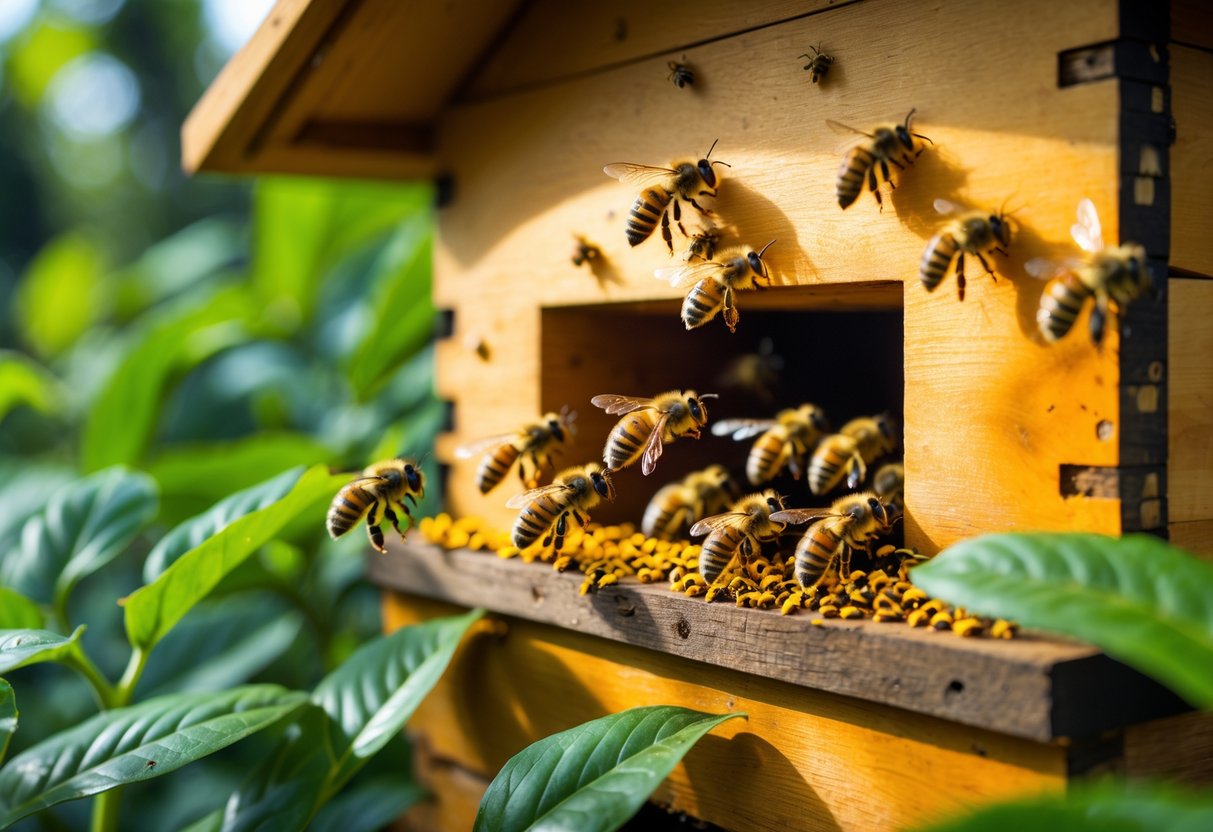
Your hive might sit in the same spot for ages, unless the bees decide to swarm or leave because it gets crowded or something changes. Inside, bees enjoy a safer, warmer space than the outside world, which keeps them around to raise new bees and keep the colony thriving.
Learning how long bees stay in their hive gives you a better idea of how they live and work together. Whether you’re keeping bees or just curious, understanding their life inside the hive shows off their teamwork and survival skills. If you want to dig deeper, check out how long bees can live in a hive.
How Long Do Bees Stay in a Hive?

Bees can stay in the same hive for months, sometimes even years, if things go well. How long each bee actually sticks around depends on its job, the season, and how the colony is doing.
Typical Duration Bees Remain in a Hive
A honeybee colony usually stays put in one hive as long as food is available and the hive feels safe. Some hives last for years if nothing disturbs them.
If the hive gets too crowded, though, bees often swarm and move elsewhere. Worker bees and drones come and go since they have shorter lives, but the colony itself sticks around unless disease or lack of resources push them out.
Bees usually only leave the hive to collect food or when they swarm to find a new home.
Factors Influencing Hive Occupancy
A few big things decide how long bees will stay in a hive. Food is probably the biggest factor. When flowers bloom, bees stay busy gathering nectar and rarely leave.
If food runs out or the weather turns bad, bees might leave or die off. Disease or pests can also force the colony to abandon the hive.
If things get too crowded, some bees will swarm to lower the numbers. The queen’s health matters a lot, too. If she’s weak or missing, the whole colony might fall apart or move on.
Lifespan of Worker Bees, Queen Bee, and Drones
Worker bees usually live about 6 to 8 weeks in spring and summer. They do most of the work—collecting nectar and caring for the hive.
In fall, worker bees can live 4 to 6 months since there’s less to do outside. The queen bee can live for several years; her main job is laying eggs.
Drones, the male bees, don’t last long. They usually live only a few weeks and mostly stick around until mating season, then die soon after.
These differences explain why the hive’s population keeps changing.
For more info about how long bees stay in hives, check out this resource on typical hive occupancy.
What Causes Bees to Leave or Stay in a Hive?
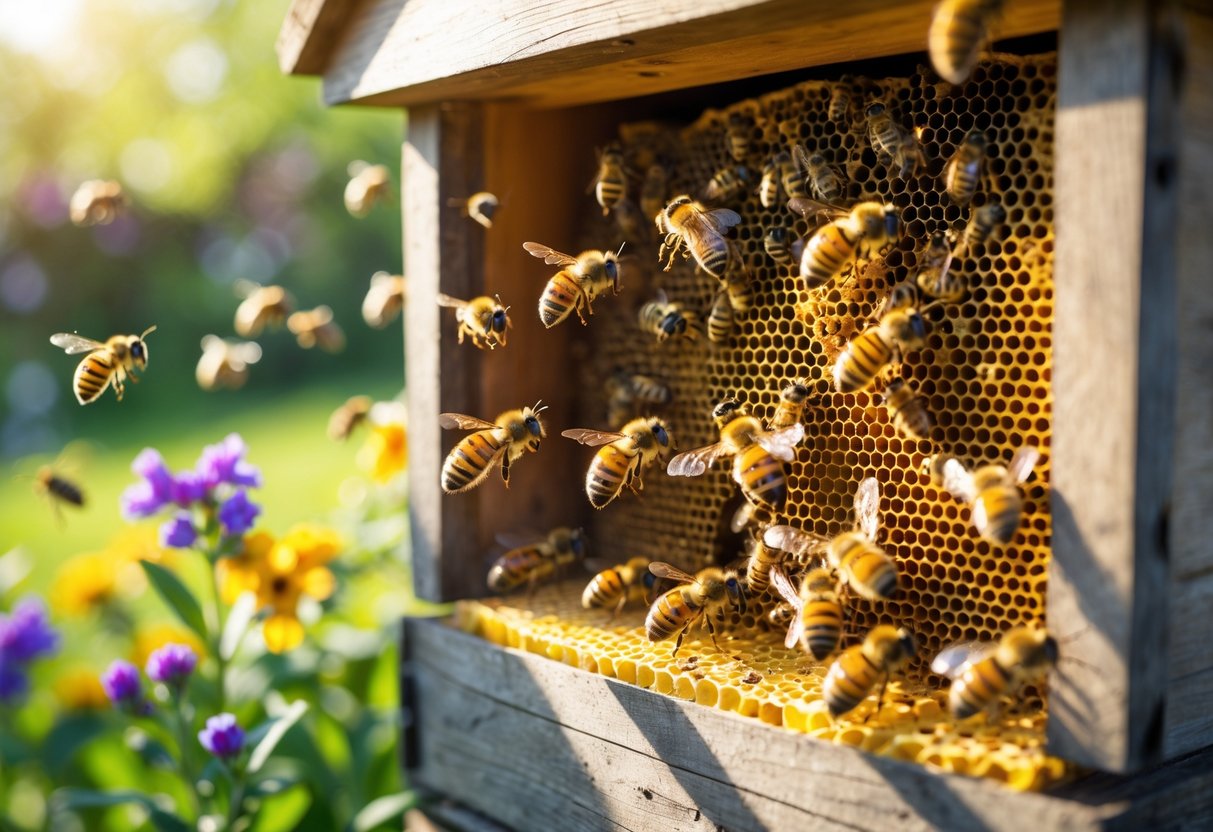
Bees stay or leave their hive for all sorts of reasons that affect their health and safety. It could be about the queen, natural swarming, pests, or just not enough food.
Role of Queen Loss or Queen Replacement
If your hive loses its queen or she gets weak, the colony goes through a big change. Bees really need a strong queen to keep things running smoothly and lay eggs.
When the queen dies or disappears, the workers start raising a new queen from special larvae in queen cells. If the new queen is a virgin queen, she’ll take a mating flight before she really settles in.
During this time, your hive might look unsettled, and some bees may leave. If they can’t replace the queen quickly, the colony can fall apart or just leave, since the queen’s pheromones keep everyone together.
It’s a good idea to keep an eye on your queen’s health. That way, you can step in if needed and avoid losing a bunch of bees or having your colony weaken. Knowing when to help or replace the queen is pretty important in beekeeping.
Swarming Behavior and Its Effect on Hive Population
Swarming is just something bees do. About two-thirds of your bees will leave the hive with the old queen to start fresh somewhere else.
This usually happens when the hive gets crowded or during strong honey flow seasons. Swarming helps bees spread out, but it means your hive loses a lot of workers for a while.
Before they swarm, bees build lots of queen cells. The old queen leaves with the swarm, and the new queen takes over.
This can really surprise beekeepers—it sometimes looks like your whole colony disappeared overnight. Swarming isn’t a sign of trouble, though; it’s just how bees grow and survive.
If you manage hive space and add more boxes, you can lower the chances of swarming and keep more bees in your hive longer (source)..
Impact of Food, Pests, and Environmental Stressors
Bees usually decide whether to stay or leave based on their living conditions. When your hive runs low on food—especially during rough weather—the bees might just take off to find better sources.
If they can’t find enough nectar or water, they feel stressed and might react by leaving. It’s a tough situation, honestly.
Pests like varroa mites create huge headaches. These mites weaken the bees and spread disease.
Predators and pests, like the small hive beetle, can push your bees to abscond. That means they’ll abandon the hive completely.
Even loud noises, strong odors, or too much meddling from beekeepers can unsettle the colony. Sometimes, it doesn’t take much to make them restless.
If you create a safe, clean, and well-stocked home, your bees feel more secure and are more likely to stick around. Keep an eye out for pests and do what you can to minimize stress—it really helps your hives and keeps the colonies strong (learn more).


