
So, you’ve stumbled across a bee’s nest. Maybe it’s hanging from a branch or tucked under your porch. The big question: should you mess with it or just walk away? Honestly, you’re almost always better off leaving a bee’s nest alone. Bees get pretty protective of their home. If they feel threatened, they can get aggressive fast—and nobody wants to deal with a swarm of angry bees.

Knowing how to handle this situation safely really matters. Sometimes you’ll find nests in places that make life tricky, and it helps to know what you can do to protect yourself and the bees.
Let’s dig into when you can handle things yourself and when it’s time to call in the pros.
Should You Disturb a Bees Nest?
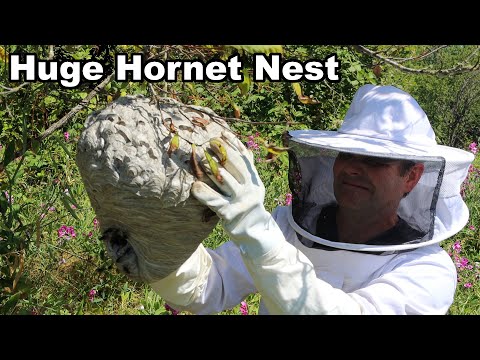
If you disturb a bees nest, you’ll probably see a strong reaction. Bees don’t mess around when it comes to defending their home. You, your pets, and even bystanders could get stung if things go sideways.
How bees act, the risk of stings, and the effect on the environment all come into play when you’re deciding what to do.
Natural Behavior of Bees When Disturbed
Bees get defensive if they think their nest is in danger. Honey bees and wasps send out guard bees to keep watch. These little guards might bump into you or buzz close to make you back off.
If the bees feel really threatened, they’ll attack. They sting to defend their hive, and honey bees actually die after stinging because their stingers stay stuck in your skin.
Don’t blow near a bees nest—your breath can rile them up. You might see more bees head-butting or buzzing at you. The best move? Stay calm and slowly back away before things escalate.
Potential Dangers for Humans and Pets
Bee attacks get a lot scarier if you or your pets are allergic. Even if you’re not, a bunch of stings hurts and can cause swelling or other nasty reactions. Pets can really get in trouble if they poke at a nest and get swarmed.
If you stumble onto a ground nest or one hidden somewhere, just get out of there. Run and cover your face to protect your eyes and neck.
Honey bees only sting once, but wasps can sting over and over. Wasps also stay mad longer. If you’re outside near holes, wood piles, or tree hollows, keep an eye out for hidden nests.
Environmental Impact of Disturbing a Nest
Bees do a ton of good by pollinating plants and helping crops grow. If you destroy a bees nest, you’re not just losing a few insects—you’re hurting local pollination.
Bees try to rebuild if their nest gets wrecked, but it takes a lot out of them. A lost hive means fewer bees to pollinate gardens and wildflowers, and that ripples out to other animals too.
Sometimes you have no choice but to remove a nest for safety. But if you can, leaving it alone helps nature and keeps bees healthy. If you want more details about handling a bee nest in a tricky spot, BuzzAboutBees.net has some good advice.
What Happens If a Bees Nest Is Disturbed?

If you mess with a bees nest, the bees will react fast to protect their home. You might see defensive behavior, get stung, or notice the whole colony acting differently for a while.
Wasps act differently than bees, so it helps to know what you’re dealing with before making any moves.
Defensive Responses and Swarming
Disturb a bees nest, and the worker bees spring into action. They release a chemical alarm that tells the others to join in defending the hive.
This can turn into a swarm attacking anyone nearby. Bees usually chase you in a straight line away from their nest, so running straight and covering your face helps.
Try to keep calm. Waving your arms or panicking just makes things worse. Bees only do this when they think their nest is in real danger.
Risk of Bee Stings and Allergic Reactions
Bee stings hurt and can cause redness or swelling. Most people just get mild symptoms, but if you’re allergic, it can get serious fast.
If you have trouble breathing, feel dizzy, or swell up far from the sting, get emergency help right away.
Your best bet is to avoid disturbing nests in the first place. If you do get stung, gently remove the stinger and clean the area. Try to stay calm—panicking just makes you more likely to get stung again.
If you know you’re allergic, always carry an epinephrine injector and don’t hesitate to use it.
Difference Between Bees and Wasps
Bees and wasps both sting, but they don’t act the same. Bees usually sting once and die because their stinger gets stuck. Wasps can sting over and over without any problem.
Wasps usually build smaller, more exposed nests made out of a papery material. Bees prefer waxy hives. Wasps can also be more aggressive and unpredictable if you disturb their nest.
Knowing the difference helps you figure out what you’re up against—and how careful you need to be.
Implications for Bee Colonies and Removal
When you disturb a bee nest, you’re not just affecting yourself—you’re impacting the whole colony. Bees rush to defend their hive, mostly to protect the queen and their young.
If you damage or block their nest, you might stress the entire colony or even cause it to die. That’s a heavy consequence for a simple mistake.
If you spot a nest somewhere inconvenient, it’s usually smarter to leave it alone instead of trying to get rid of it. Beekeepers know how to remove honey bee colonies without causing harm, but messing with wild nests on your own? That often ends badly for the bees.
Bumble bee nests, in particular, really shouldn’t be disturbed. They play a big role in pollination, and by late season, they’re often close to hibernating.
If you’re worried about safety, it’s honestly best to call a professional to remove or relocate the hive. That way, you stay safe—and so do the bees.
Want more info? Check out advice on what to do if you accidentally disturb a bee nest.


