
So, you’ve noticed bees buzzing around your yard and you’re probably wondering—are they just passing through, or are they here to stay? Bees usually leave on their own only if something changes, like food running out, colder weather setting in, or their hive getting overcrowded. If they like the spot and have what they need, they’ll probably stick around.
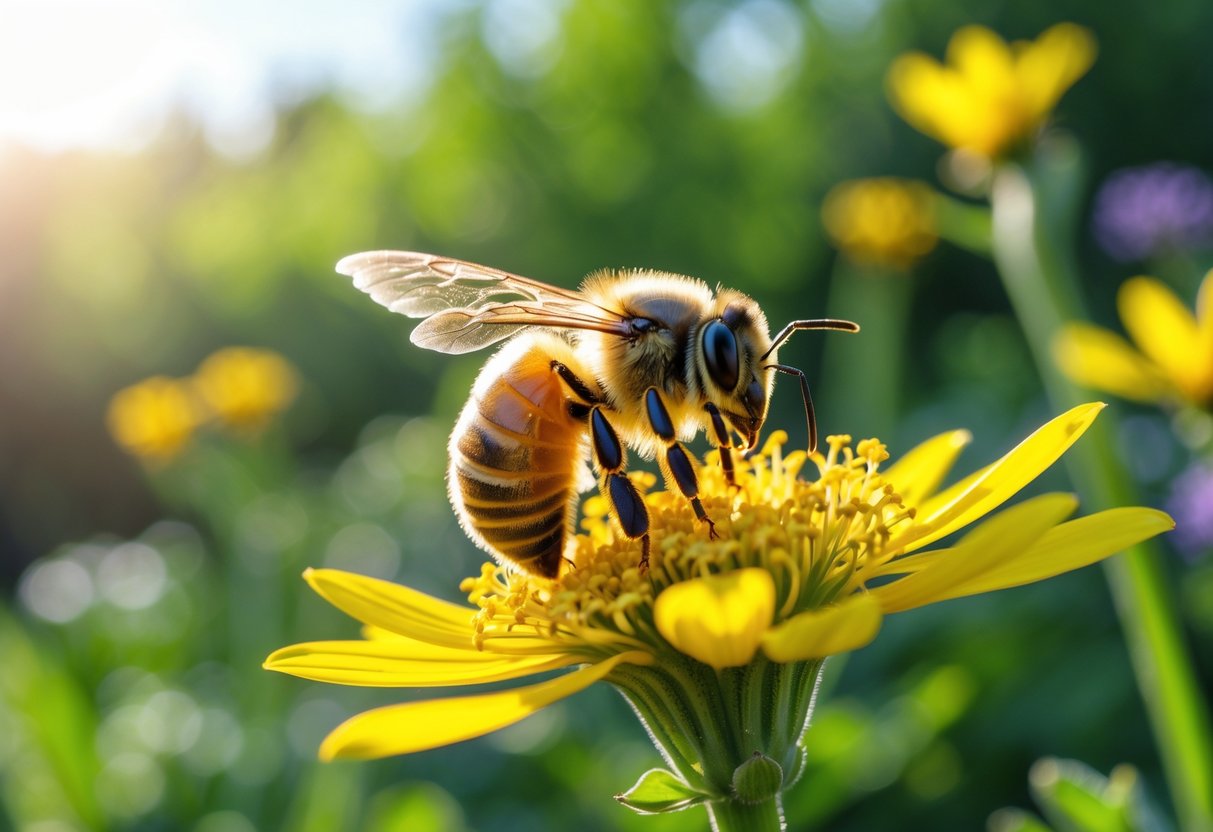
Figuring out when bees might leave can help you decide if you should just wait it out or actually do something about it.
Sometimes, bees move on by themselves, but other times they just settle in for the long haul. Why do they stay or go? Well, understanding that can help you manage the situation safely—for you and for the bees. Let’s dig in.
Will Bees Go Away On Their Own?
Bees don’t always stick around in one spot forever. Whether they move depends on things like food, temperature, and how crowded their home feels.
Knowing what affects their decision can help you figure out if they’ll leave on their own or if they need a nudge.
Factors Influencing Bees To Leave
Bees stay put if they find enough food and water nearby. When those things run out, they start searching for a better spot.
Temperature plays a big role too—if it gets too cold, bees look for somewhere warmer.
When a hive feels overcrowded, scout bees go out to find new homes. Once they find a good place, part of the colony swarms off to settle there.
If something attacks or damages the hive, bees might also decide to leave. But if you see healthy, active bees, they’re probably not going anywhere soon.
How Long Bees Typically Stay
Honey bees can stick with one location for months—or even years—if they like the conditions. Some colonies hunker down in the same hive for a long time.
After summer, bees slow down and may leave their nesting spots by fall or early winter.
A temporary swarm hanging out in a tree could stay just a few hours, or maybe a couple days. During that time, scout bees go looking for a new home. When they find one, the whole swarm takes off together.
If you spot bees in your yard, they might hang around for a while—especially if they find shelter and food there.
Differences Between Swarms And Established Colonies
A swarm is basically a group of honey bees that leaves a crowded hive to start fresh. You’ll often spot swarms hanging from tree branches.
Swarms tend to act pretty calm since they don’t have young to protect.
An established colony is different. These bees have built a nest, stored honey, and they have a queen. They act more protective and usually only leave if they run out of food, get sick, or their home gets wrecked.
If you’re trying to figure out if the bees will leave on their own, it helps to know if you’re dealing with a swarm or a settled colony.
Swarms usually move on after a short break. Established colonies stick around as long as things are good for them.
For more info, see will bees go away on their own.
When And How To Take Action

Knowing when to step in and how to deal with bees safely can make a big difference for you and the bees.
Sometimes it’s just not safe to wait, and other times you might want a way to move them along without hurting them.
Dangers Of Waiting For Bees To Leave
If you wait for bees to leave on their own, you might put yourself at risk. Bees near your house, especially in walls or by doors, can sting and cause allergic reactions.
A big hive can even damage your property or attract unwanted animals.
Swarms or nests in trees might stick around for hours or days. Some swarms leave quickly, but a big hive nearby can cause problems if you disturb it by accident.
If you want to get rid of bees safely, waiting too long could mean more stings or the bees moving deeper into your home.
When To Contact A Beekeeper
Call a beekeeper if bees settle somewhere tricky, like inside your walls or attic. Beekeepers know how to rescue and relocate honey bees without hurting them.
If you see a big swarm in a tree that’s been there for more than a day, reach out to a beekeeper. They’ve got the skills and gear to handle bees safely.
If you or someone in your home has allergies, don’t try removing bees yourself. Beekeepers can help make sure everyone stays safe.
Safe And Ethical Bee Removal Methods
Safe bee removal focuses on keeping the colony unharmed. Most beekeepers use traps or special boxes so they can collect bees without hurting them.
They usually look for the queen, since moving her means the whole colony will follow. That just makes everything go smoother.
Don’t grab sprays or poisons. These kill bees, mess up the environment, and honestly, you might regret it if dead bees end up stuck in your walls.
If you spot bees in a tree, sometimes it’s best just to wait and see if the swarm leaves on its own. When they stick around, a beekeeper can step in and shake the bees into a box or remove the hive by hand.
Want to keep bees away from your garden or home? Try using cinnamon or citrus oils as repellents. Just remember, these tricks only help if the bees haven’t already built a nest.


