
So, you’re wondering which bees don’t sting in the UK? Here’s the thing: most female bees technically can sting, but they almost never do unless you really bother them. Male bees, though? They don’t even have stingers, so you’re totally safe around them.
If you spot a bee buzzing by, just stay calm. Most stings happen only when someone pokes or swats at them, so you’re usually fine.
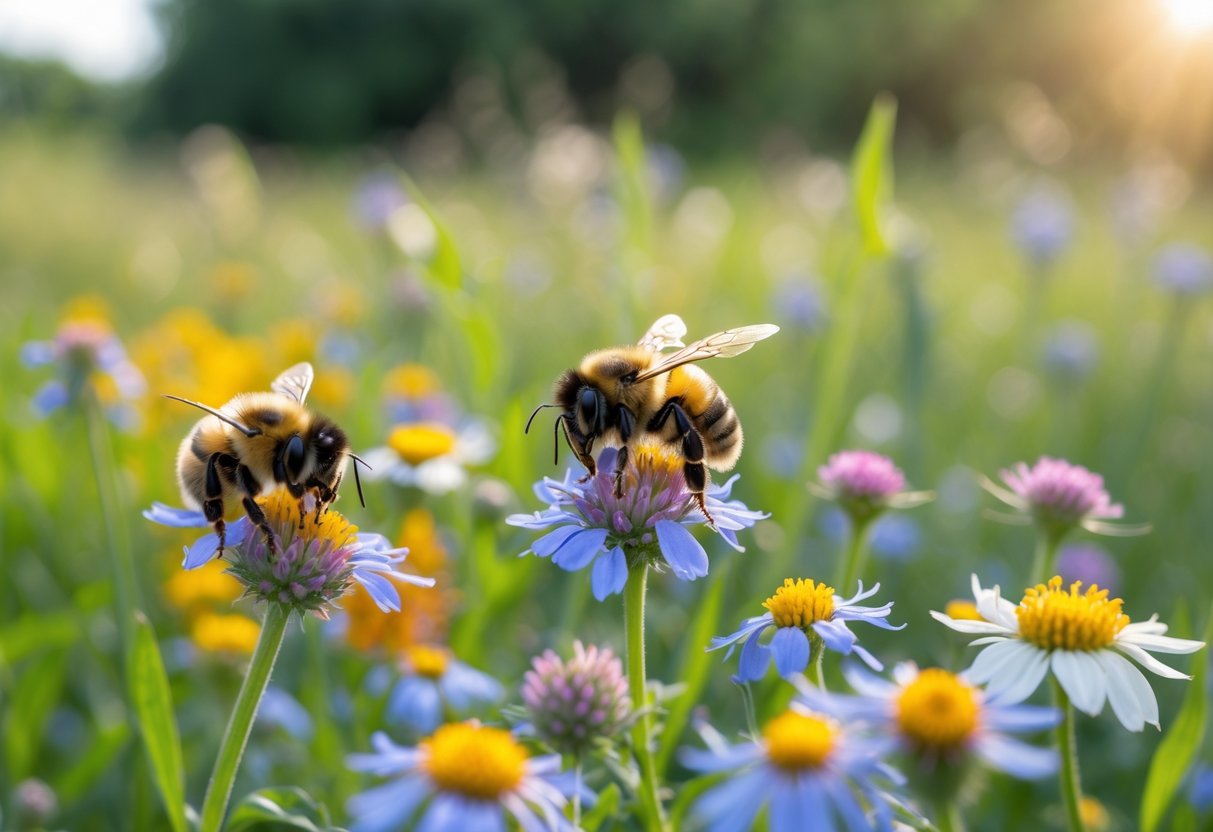
You’ll usually see honey bees and bumblebees here in the UK. They can sting, but honestly, they mostly mind their own business. Learning which bees don’t sting can make you feel more at ease when they’re nearby—and maybe you’ll even start to appreciate these little guys a bit more.
Curious about spotting non-stinging bees or figuring out their habits? Well, you’re in the right spot.
Which Bees Don’t Sting in the UK?
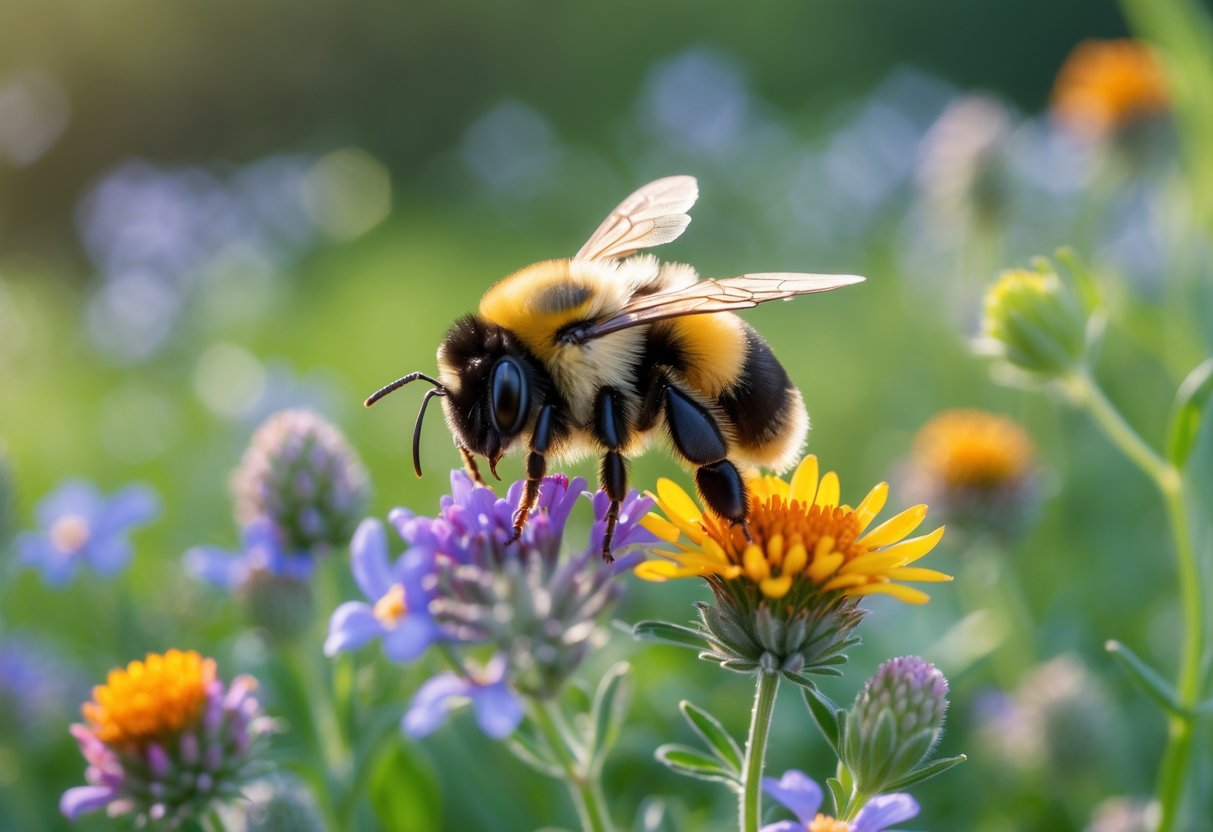
Ever notice bees flying around your garden or a park and wonder if they’re a threat? Some bees in the UK won’t sting you at all, while others only sting if they feel cornered. Knowing which ones are harmless can make hanging out outdoors a lot less stressful.
Male Bees and Their Role
Male bees—yeah, the drones—don’t have stingers. You can get as close as you want, and they can’t hurt you.
Their main job is to mate with the queen bee. Since they don’t defend the nest, they don’t need stingers.
You’ll mostly see them when it’s warm and the queen is laying eggs. They don’t collect pollen or guard the hive, so they just kind of hang out and stay chill.
It’s actually kind of nice knowing male bees can’t sting. Makes watching them way less nerve-wracking, right?
Stingless Bees in the UK
There’s a group called Meliponini—stingless bees. You’ll find them mostly in tropical places, not really in the UK. Still, a few tiny native species here don’t have much of a sting, or none at all.
Instead of stinging, these bees defend themselves by biting with their jaws. They only bite if you grab them or threaten them directly.
They don’t build big hives like honeybees or bumblebees. Their nests are small and tucked away.
If you spot these bees, you can relax and watch them pollinate without worrying about getting stung.
Solitary Bees Least Likely to Sting
Solitary bees make up a huge chunk of UK bee species. They don’t live in big colonies or build massive nests.
Each female makes her own little nest, usually in dirt or wood. Most solitary bees do have stingers, but they almost never use them.
They’re gentle, quiet, and just focused on gathering pollen and nectar. If one does sting, it’s super rare and not very painful.
Since they don’t guard nests as a group, solitary bees are some of the calmest pollinators you’ll meet.
Common Non-Stinging Bee Species and Where to Find Them

You’ll run into several types of non-stinging bees in the UK, and they’re great for gardens and wild plants. These bees keep to themselves and often nest in small holes or right in the ground.
If you know where they like to live, you can help them thrive.
Leafcutter Bees: Gentle Garden Visitors
Leafcutter bees, especially Megachile centuncularis, pop up all over the UK. You might see them carrying little bits of leaf to build their nests.
They love sunny places and usually nest in hollow stems or holes in wood. Leafcutter bees rarely sting and stay relaxed around people.
Try setting up bee hotels—drilled wooden blocks or bundles of stems—to give them a place to nest. They’ll help pollinate your flowers, fruits, and veggies.
Mason Bees and Red Mason Bee
Mason bees are another group of friendly bees you’ll spot here. The red mason bee is especially common.
These bees use mud to seal up their nests in cracks, holes in wood, or even walls. Mason bees don’t act aggressive.
You’ll see them buzzing around early spring flowers. Like leafcutters, they’ll happily move into bee hotels, so it’s easy to invite them into your garden.
Mining Bees and Ground Nesters
Mining bees dig tunnels in bare or sandy soil to nest. They live alone and rarely show aggression, so stings aren’t really a concern.
You might spot mining bees hanging out in sunny, open places—think lawns or patches of exposed dirt. These little bees do a lot of work pollinating wildflowers and garden plants.
If you want to help mining bees, just leave a bit of bare, sunny soil undisturbed near your garden. It’s a simple thing, but it really makes a difference.


