
If you’ve ever been stung by a bee, you might wonder if the stinger will just fall out on its own.
Honestly, a bee stinger usually stays stuck in your skin and doesn’t just pop out right away. You really should remove it quickly to help reduce pain and swelling.

The stinger’s tiny barbs keep it lodged in your skin. If you just wait, the sting can get worse.
If you know how to spot and remove the stinger, you’ll probably feel better faster and avoid extra irritation.
Will a Bee Stinger Come Out By Itself?
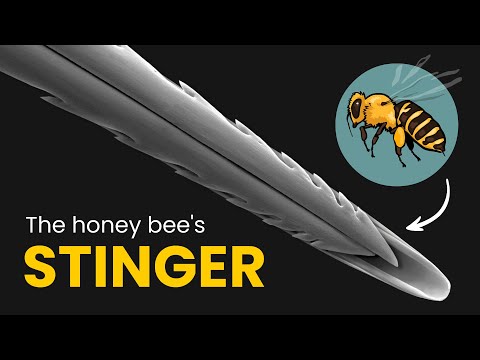
When a bee stings you, its stinger often stays stuck in your skin.
Sometimes it might come out on its own, but honestly, that can take days and cause more problems than you’d want. It helps to know what’s happening and how to deal with the stinger for quick relief and safety.
What Happens When a Bee Stings You
A honey bee stings by injecting venom with its stinger. The stinger has a venom sac still attached, and that sac keeps releasing venom for a short time after the sting.
The barbs on the stinger make it tough to pull out, so it usually stays embedded.
As the bee flies away, its abdomen tears because the stinger stays behind. This ends up killing the bee, so it only gets one shot.
If you notice a tiny black dot or spot, that’s probably the stinger still in your skin.
The venom causes pain, redness, and swelling where you got stung. For most people, this is mild.
If you have a severe allergic reaction, like anaphylaxis, you’ll need quick medical attention.
Natural Removal Versus Manual Removal
The stinger might eventually work its way out, but that can take several days. While it’s in there, it acts like a splinter and slowly moves out as your skin heals.
But leaving it in lets the venom sac keep pumping venom into your skin. That just makes pain and swelling worse.
If you remove the stinger quickly, you can limit those effects.
You can scrape the stinger out gently with your fingernail, a credit card, or even tweezers if you’re careful. Just try not to squeeze the venom sac because that can push more venom in.
Complications From Leaving a Stinger In
If you leave the stinger in too long, pain and swelling can get worse. There’s also a risk of infection since the wound can trap bacteria.
Usually, minor swelling and redness get better in a few days. But if you notice spreading redness, more pain, pus, or you feel feverish, you should see a doctor.
People who are allergic can have a serious reaction, even from small stings. Watch out for trouble breathing, swelling of your face, or dizziness.
If you notice those symptoms, get emergency help right away.
How to Safely Remove and Care for a Bee Stinger

When a bee stings you, the stinger can stay in your skin and keep releasing venom.
If you act quickly to remove the stinger and take care of the spot, you can cut down on pain, swelling, and infection risk.
How to Remove a Bee Stinger
Grab a flat edge, like a credit card or your fingernail, and gently scrape the stinger out.
Try not to use tweezers or pinch it, since that can push more venom in.
Look for a tiny black dot or a sharp tip where the stinger is stuck. Scrape gently sideways until it’s out.
Get the stinger out as fast as you can, since the venom sac keeps pumping venom while it’s in your skin.
After you get it out, wash the area with soap and water to help prevent infection.
Post-Removal Home Remedies
Once you’ve removed the stinger, use a cold compress or ice pack wrapped in a cloth to help with swelling and pain.
Hold it there for about 10-15 minutes at a time.
Calamine lotion or hydrocortisone cream can help with itching and irritation.
If you need it, an over-the-counter pain reliever like ibuprofen or acetaminophen can help with discomfort.
Try not to scratch or rub the sting, since that can make things worse or lead to infection.
Keep the area clean and dry.
When to Seek Medical Help
If you start having trouble breathing, notice swelling that spreads beyond the sting site, or spike a high fever, get medical help right away. These symptoms might mean you’re dealing with a severe allergic reaction or even an infection.
Keep an eye on the sting. If redness or swelling keeps spreading or gets worse after a day or two, or if the pain just won’t let up, reach out to a doctor.
Anyone who knows they’re allergic to bee stings should carry an epinephrine injector and use it as soon as they get stung. After that, always check in with a healthcare professional.
For some straightforward tips on getting rid of a bee stinger, check out this page on how to remove a bee stinger.


