
So, how do you know if you’re looking at a queen bumblebee? The quickest way is by size and shape. Queen bumblebees are bigger than workers and have this stout, chunky body that really stands out.
Most queens measure about ¾ to 1 inch long. If you spot a bumblebee that seems unusually large, you might be looking at the queen.

Besides just being larger, queens behave a bit differently too. You’ll sometimes see them hanging around one spot, searching for a cozy place to start a new colony.
Spotting a queen is pretty exciting—she’s the one who builds the hive and gives life to the next generation. If you’re curious about colors and markings, queens usually have similar patterns as workers, but their size is the real giveaway.
Knowing these things definitely makes bee-watching more fun. If you want more details, check out this guide on how to identify a queen bumblebee.
How To Tell If It’s a Queen Bumblebee
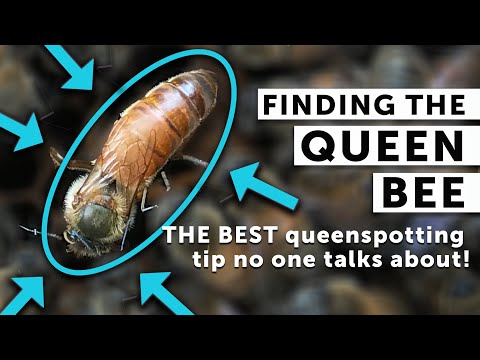
You can spot a queen bumblebee by checking out her size, color, and how she acts. Queens are usually bigger and move differently than worker or male bumblebees.
Notice these details next time you’re in the garden or out in the wild.
Key Physical Differences
Queen bumblebees have bigger, rounder bodies than workers or males. Their thorax, that middle chunk, looks fuller and more solid.
Unlike cuckoo bumblebees—those sneaky bees that take over nests—queens look stronger and more muscular because they actually build the colony. You’ll also see that queens have longer abdomens.
That’s where they keep their powerful reproductive organs, so they can lay eggs. Worker bumblebees have shorter abdomens since they don’t need to lay eggs.
Male bumblebees? They’re slimmer and don’t have stingers.
Size Comparison With Workers and Males
Queens are the biggest bees in the whole colony. Their bodies stretch from about 20 to 33 mm, which is roughly the size of a quarter.
Worker bees are much smaller, usually 12 to 20 mm long. Males fall somewhere in the middle but look less sturdy than queens.
Because queens need to survive winter and start a new colony every year, their larger size helps them make it through the cold. If you notice a bee that’s noticeably bigger and more solid, chances are, it’s a queen.
Color Patterns and Markings
Queen bumblebees usually have the same color patterns as the workers, but sometimes they look brighter or just glossier. For example, the Bombus lapidarius queen has a black body with a bright red tail—just like her workers, but she’s much larger.
Some queens, like Bombus pascuorum, show off ginger thoraxes and darker abdomens. Tree bumblebee queens (Bombus hypnorum) are a bit easier to spot because they’ve got a black head, ginger thorax, and a white tail.
Cuckoo bumblebees are a different story. They often have more dramatic color patterns and don’t have pollen baskets, since they don’t care for nests.
Behavioral Signs in the Field
Queens act differently than workers or males, especially in spring. Early in the year, only queens buzz around, searching for spots to start new nests.
You might see a queen visiting flowers like crocuses, gathering pollen and nectar so she can lay her first eggs. Later in the season, queens mostly stay in the nest while workers do the foraging.
If you see a large bee flying alone or moving slowly between flowers, you might have found a queen. Males usually hover near flowers or chase queens, but they don’t gather food for the colony.
If you want to get better at finding queens, try some “queen spotting” tricks that beekeepers use. There’s more info on queen bumblebee ID at biologyinsights.com.
Queen Bumblebee Biology and Life Cycle

The queen bumblebee is really the heart of the colony. She starts the nest, lays all the eggs, and keeps things running.
Her life changes a lot throughout the year—from waking up in spring to hibernating in winter.
Queen’s Role in the Colony
The queen bumblebee is the one female who actually founds the colony. After she wakes from winter, she goes searching for a safe place—sometimes an old rodent burrow—to build her nest.
She uses pheromones to attract workers and keep the colony in line. The queen is bigger than the workers and built for laying eggs.
Worker bees help her by collecting nectar and pollen to feed everyone. Once the colony gets going, the queen hardly leaves the nest.
Egg Laying and Fertilization
The queen lays both fertilized and unfertilized eggs. Fertilized eggs become female bees—workers or new queens.
Unfertilized eggs turn into males. The queen spends time keeping the eggs warm, since warmth helps them develop.
She controls how many eggs she lays depending on what the colony needs. Because she can fertilize eggs, she decides the balance of workers, males, and new queens.
Seasonal Behavior and Hibernation
The queen’s life really changes with the seasons. In spring, she wakes up from hibernation and gets to work starting a new colony.
She uses up a lot of energy building her nest. Then she lays eggs and keeps things moving.
By late summer, the colony raises new queens. These young queens mate and then go off to find a spot to hibernate for winter.
The old queen dies, and the cycle starts over. That’s how bumblebee colonies keep going strong every year, no matter the species.
If you want more details about how queen bumblebees build their nests or live through the seasons, check out this life cycle and biology guide.


