
When you spot a bee nest in your house, those bees have picked your place as a safe spot to settle down. They might set up shop in the walls, attic, or even inside a vent.
Bees play a huge role in nature, but a nest inside your home? That’s a headache. You could face property damage or, honestly, some safety issues for you and your family.

You might find yourself wondering if that nest is a sign of something bigger. Should you just try to get rid of it yourself?
Removing a bee nest isn’t simple, and it usually takes a pro. If you mess with it, you might get stung—or make things worse.
Understanding why bees pick your house and knowing what to do next can help you protect your home and the bees.
If you learn how to spot the early signs, you can jump on the problem before it gets out of hand. Here’s what a bee nest in your house really means, and some steps you can take to deal with it safely.
What It Means When a Bee Nest Is in Your House

If you’ve found a bee nest inside, you’ve got a colony living right there with you. That can change your day-to-day life in a few surprising ways.
You’ll probably notice some signs, maybe wonder why your house got picked, and need to think about the risks that come with bees indoors.
Signs You Have a Bee Nest Indoors
Bees flying in and out of a certain spot? That’s a big clue there’s a nest. Sometimes you’ll hear a steady buzzing behind a wall, up in the attic, or under the floor.
You might even see little piles of bees or spot wax and honey inside.
Clusters of dead bees near an entrance or weird sticky spots on your walls or windows are other hints. If bees keep coming back to the same area every day, they’ve probably moved in.
Spotting these signs early means you can do something about it before it gets out of control.
Why Bees Choose Homes for Nests
Bees want a safe, hidden place to keep their queen and babies safe. Your house offers warmth and protection from predators.
Wall spaces and attics are perfect for them. Some types of bees like dry, closed-in places, so homes are pretty appealing.
If you’ve got flowers nearby, that’s another reason bees might choose your house. They need food close to home, so it all kind of makes sense.
Potential Risks of an Indoor Bee Nest
A bee nest indoors can cause a few headaches. Wax and honey can mess up your walls and wood, leading to damage over time.
Bee stings are a real risk, especially if someone in your family is allergic.
If you let things go, you might end up with more bees and more noise. It’s stressful, and nobody wants that.
Even though bees are super important, you really don’t want their nest inside your living space. It’s usually best to get a pro to help with removal, so you stay safe and the bees get relocated. If you’re looking for more safety tips, check out safe bee nest removal.
Identifying, Removing, and Preventing Bee Nests in Your Home
When you find a bee nest, it helps to know what kind of bees you’re dealing with. Handling it the right way keeps you and the bees safe.
Taking steps to prevent future nests saves you a lot of trouble down the road.
How to Identify Different Types of Bees
Figuring out which bees have moved in helps you decide your next move.
- Carpenter bees look a lot like bumble bees, but their abdomens are shiny and black. They drill neat, round holes into wood.
- Bumble bees are big, fuzzy, and actually pretty gentle. They like to hide their nests in walls or underground.
- Honey bees are smaller, and you’ll see hive-like wax nests. If they’re around, there could be a whole honeycomb inside your wall.
Paper wasps sometimes get mistaken for bees, but their nests look like gray paper and hang from eaves. They’re more aggressive and need a different approach than bees.
Safe Bee Nest Removal Methods
Trying to remove a bee nest yourself is risky.
- For honey bees, call a local beekeeper. They’ll remove and relocate the bees safely.
- If you’ve got carpenter bees, you’ll want to check for wood damage. Sometimes you need pest control to keep them from boring more holes.
- If the nest is close to where you live, skip the loud noises or sprays—those will just make things worse. Protective clothing is a must if you try anything basic.
Honestly, in most cases, calling in the experts is just the safest bet. Let them handle it, and you’ll avoid a lot of pain—literally.
Prevention Tips to Stop Future Nests
If you want to keep bees from nesting in your house again, you’ll need to put in a bit of regular effort. Nothing too complicated, but consistency matters.
- Seal up any cracks or holes in wooden surfaces—carpenter bees love those spots.
- Keep your wood painted or treated; bees just seem to go for bare, untreated wood.
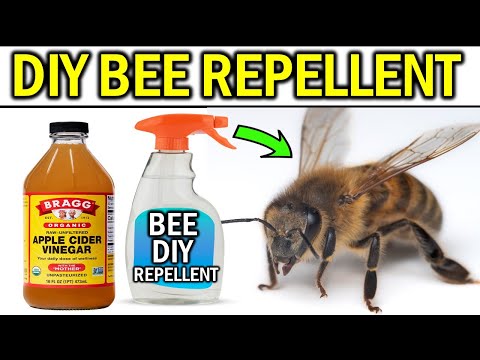
- Try using citronella or other natural repellents around windows and doors. Citronella really does help keep bees and wasps away, at least in my experience.
- Remove any old nests you find, and clean those areas thoroughly to make them less appealing.
- Trim back plants and bushes that are close to your house, since bees often use them to start nests.
Stay on top of home maintenance and keep an eye out for any new bee activity. It’s not foolproof, but it definitely lowers the odds of finding another nest in your walls.


