
If you feed honey to a bee, you might think you’re helping since honey is what they eat in the wild. But honestly, feeding honey back to bees can be risky—especially if the honey comes from other hives, since it might carry diseases that could harm your bees.
If you use honey from your own healthy colonies, it’s safer. Still, you have to pay attention to when and how you feed it.

Bees get most of their nutrition from honey, but not all honey is created equal. Sometimes, you can use old or leftover honey from your own hives to help your bees during tough times, like winter.
Learning the right way to feed honey can keep your bees healthy and strong. It also helps you avoid problems down the road.
What Happens If You Feed Honey to a Bee?

Feeding honey to bees might seem totally natural, since it’s their main food. But the effects really depend on a few things, like where the honey comes from and its quality.
You should know how honey fits into bee nutrition, what the possible benefits and risks are, and how honey stacks up against other feed options before you decide to offer it to your bees.
Natural Role of Honey in Bee Nutrition
Honey gives bees their main source of carbs. They make it by turning nectar into a thick, sugary food that’s packed with fructose, glucose, and other sugars.
Bees use honey for energy, especially in colder months when flowers are hard to find.
They also collect pollen for protein and nutrients. Honey can’t cover all their nutritional needs, but it acts as a fuel source for flight, hive chores, and brood care.
During nectar shortages, bees rely on stored honey to survive. So, honey is absolutely critical for keeping the colony going.
Potential Benefits of Feeding Honey to Bees
Giving honey to bees can help them during food shortages, like after a harsh winter or a bad foraging season. It provides quick energy that bees digest more easily than plain sugar or corn syrup.
If you feed honey from your own healthy hives, you can help avoid nutritional gaps. It might even improve hive strength by supporting natural bee digestion and immunity with familiar honey components.
Honey also contains small amounts of minerals, vitamins, and enzymes that sugar water just doesn’t have. Feeding honey can help maintain bee health better than some artificial feeds.
Risks and Health Concerns with Feeding Honey
Feeding honey gets risky if it doesn’t come from your healthy hives. Honey can carry diseases like American Foulbrood (AFB) spores or other pathogens, which can wreck entire colonies.
If you use honey from unknown sources or sick hives, you might spread infections. Bees that are already weak have an even harder time fighting off these dangers.
Feeding too much honey or old honey can also stress bees out. Sometimes, it confuses them or makes them stop foraging, which can lead to starvation.
Differences Between Honey, Sugar Syrup, and Other Feed Options
Honey is natural, but it brings risks if you don’t source it right.
Sugar syrup, made from sucrose and water, is a common and safe alternative. It’s easy to make, doesn’t carry disease, but lacks the vitamins and enzymes found in honey.
Most beekeepers avoid corn syrup because it can upset bee digestion and doesn’t offer good nutrition.
Here’s a quick comparison:
| Feed Type | Benefits | Risks |
|---|---|---|
| Honey | Natural, full of enzymes | Disease risk if untested |
| Sugar Syrup | Safe, easy to prepare | No nutrients beyond carbs |
| Corn Syrup | Usually avoided | Poor nutrition, digestive issues |
What you feed really depends on your hive’s health, the season, and which sources you trust.
Best Practices and Precautions for Feeding Honey to Bees
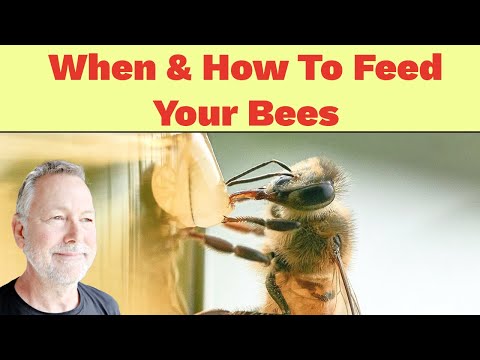
Feeding honey to bees calls for careful choices if you want a healthy colony. You need to use honey that’s clean and disease-free.
Choosing the right feeders and knowing the best timing and amount to offer really matters. Being cautious helps you avoid spreading disease or encouraging robbing.
Choosing Safe and Uncontaminated Honey
Always use honey that’s free from pests and diseases. Honey from unknown sources or old honey might contain harmful spores, which could hurt your bees.
It’s best to feed honey that comes directly from hives you know are healthy. Avoid using processed honey or honey left over from outside your beeyard.
Harvest honey frames carefully so you don’t bring disease into the mix. If you must use old honey, check it closely before feeding, and only give it back to bees from the same hive.
Using safe honey helps you protect your colony from infections. This keeps your bees productive during tough times, like when nectar is scarce.
Selecting Proper Feeders and Feeding Methods
Choosing the right feeder really makes a difference. Top feeders are popular because bees can get honey from above without exposing the colony to pests.
Open feeders and syrup feeders can increase the risk of robbing by other bees or insects. If you use liquid honey, pick a feeder that controls spills and prevents drowning.
Keep your feeder clean and put it where bees can reach it easily, but make sure it’s safe from predators and wind. Don’t leave honey exposed for too long, or you’ll attract other hives.
Beekeeping supplies that fit your hive style can make feeding simpler and keep your colony safe.
When to Feed and How Much to Offer
You should feed your bees honey mostly when nectar’s scarce or right before winter hits. If you feed them while nectar’s flowing strong, you’ll probably just confuse them, and they might stop foraging like they normally would.
Try starting with small amounts—just enough for them to finish in a day or two. If you give too much honey, especially to weaker or tired bees, it can actually do more harm than good. Sometimes, too much honey even ferments, and nobody wants spoiled honey in the hive.
Keep an eye on your hive. Adjust how much you offer depending on how big the colony is and what the weather’s doing. If you feed too much at once, you might attract robbers, so it’s worth being careful about both timing and quantity.


