
Ever wondered if it’s actually safe to touch a bumblebee? You’re definitely not the only one. These fuzzy insects look soft and harmless, but honestly, you might worry about getting stung—or even hurting the bee. The truth? It’s better not to touch bumblebees. They can sting if they feel threatened, and handling them could easily damage their delicate wings.

Bumblebees usually just want to collect nectar and pollen. They’re not aggressive like wasps or hornets.
If you stay calm and keep your distance, you can watch them safely. There’s really no risk if you give them space.
Learning a bit about how they act helps you enjoy these pollinators without stressing them out—or putting yourself in harm’s way.
Sometimes you might find a tired bumblebee or one stuck out in bad weather. You can help without picking it up.
Just knowing when to step in, or when to leave them alone, makes a difference. For more on safe handling, check out holding bumble bees safely.
Is It Safe To Touch A Bumble Bee?

Touching a bumble bee might seem harmless since they look so fluffy. But you should know how bumble bees act and when they might sting.
Understanding these things keeps you safer around them.
Do Bumble Bees Sting When Touched?
Bumble bees can sting, but they usually only do it if they feel threatened. If you gently touch a bumble bee and don’t squeeze or hurt it, your chance of being stung is pretty low.
They defend themselves by stinging mostly when you step on them, swat at them, or mess with their nest.
Only female bumble bees have stingers. Males, or drones, can’t sting at all.
Bumble bee stings aren’t super aggressive compared to some other insects, but they can still hurt or cause allergic reactions. Even though stings are rare, it’s smart to be careful.
Differences Between Bumble Bees And Honey Bees
Bumble bees and honey bees look a bit alike, but they don’t act the same when touched. Honey bees get more defensive around their hives and may sting if you bother them.
When honey bees sting, they lose their stinger and die. Bumble bees, on the other hand, can sting more than once since they keep their stinger.
Bumble bees are bigger and fuzzier. Their stings usually hurt less than honey bee stings for most people.
Both types inject venom that can cause swelling or pain, though. Knowing these differences helps you guess how each bee might react if you try to touch one.
| Aspect | Bumble Bee | Honey Bee |
|---|---|---|
| Size | Larger and fuzzy | Smaller, less fuzzy |
| Sting behavior | Can sting multiple times | Sting once, then die |
| Aggression level | Less aggressive usually | Can be more defensive |
| Stinger | Female bees only | Female bees only |
Why Bumblebees Are Generally Non-Aggressive
Bumble bees usually act calm and don’t go after humans. They just want to gather nectar and pollen.
They only sting if they feel really threatened or if someone messes with their nest.
If you move slowly and avoid sudden movements, bumble bees mostly ignore you. They don’t defend their nests as fiercely as honey bees do.
To stay safe, never try to grab a bumble bee or handle it roughly. Respecting their space makes it easier to enjoy watching them—and keeps both of you safe.
Here’s a friendly guide to touching bumble bees if you want to learn more.
Best Practices And Risks For Interacting With Bees
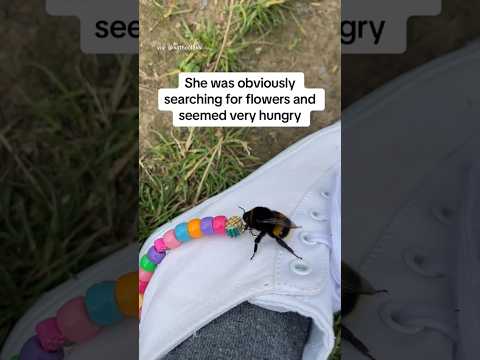
If you want to interact with bumble bees, it’s important to stay calm and watch how they act. Pay attention to avoid getting stung or upsetting the bee.
Knowing how to spot an upset bee and what to do if you get stung helps you stay safe. Bumble bees are valuable pollinators, so treating them with respect matters.
How To Avoid Getting Stung By Bumblebees
If you want to avoid bumble bee stings, move slowly and gently when you’re near them. Sudden moves or loud noises can make them defensive.
Don’t swat or grab at a bumble bee—this can make it sting.
Wear light-colored clothes and skip strong perfumes, since those can attract or annoy bees. If a bee lands on you, don’t panic or crush it.
Just gently blow or brush it off with something soft.
Give nests plenty of space and don’t disturb them. If you really need to handle bees, wearing gloves can help.
These simple tips lower your chances of being stung and keep the bees safe, too.
Recognizing Signs Of Distress In Bumble Bees
You can spot an upset bumble bee by watching its behavior. If the bee starts buzzing loudly, flies at you, or raises its abdomen, it might feel threatened.
A bee that moves quickly toward you or follows you around is probably warning you to back off.
Bumble bees get more defensive if you get close to their nest or disturb the colony. If you see bees clustering together or acting jumpy, just give them more space.
Stressed bees sting more often, so learning these signs helps you stay safe. If you see a bee getting upset, just move away calmly.
Potential Allergic Reactions And First Aid
Most bumble bee stings cause mild pain, redness, and swelling. But some people have serious allergic reactions—like trouble breathing, swelling beyond the sting, or dizziness.
If you know you’re allergic, always carry an EpiPen and use it right away if you get stung.
For mild stings:
- Wash the area with soap and water
- Put ice on it to reduce swelling
- Take an antihistamine or pain reliever if you need to
Get medical help fast if you notice any signs of a severe allergic reaction. Bumble bee stings hurt, but knowing how to handle them keeps you safer.
Bumble Bees As Essential Pollinators
Bumble bees play a huge role as pollinators. They help plants grow fruit, vegetables, and flowers.
Their big, fuzzy bodies grab pollen and move it from one plant to another while they search for nectar. It’s kind of amazing to watch, honestly.
When bumble bees disappear, crops and wild plants have a tough time making food. These little creatures keep ecosystems healthy by boosting plant diversity.
If you respect bumble bees and try not to harm them, you’re actually protecting your local environment. It’s a small thing that makes a big difference.
Try not to disturb bumble bees. You’ll help not just the insects but also the plants and animals that depend on them.


