
Ever spotted a bumblebee and wondered if it’s safe to pick it up? You’re definitely not alone. Bumblebees look fuzzy and pretty calm, but it’s normal to worry about getting stung.
The good news: you can usually pick up a bumblebee gently without trouble, as long as you don’t scare or hurt it.
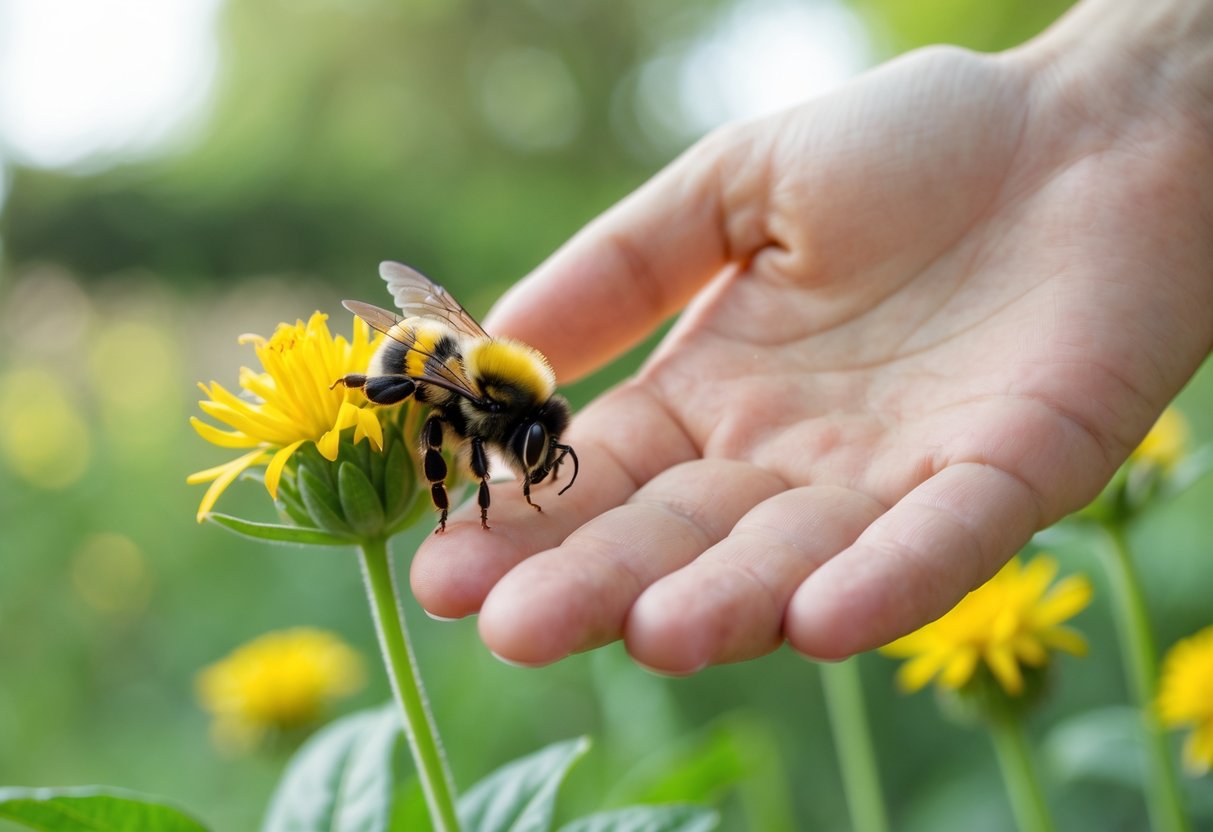
Bumblebees move slowly and act less aggressive than a lot of other stinging bugs. Most of the time, they only sting if they feel threatened or get poked.
If you handle them with care, you might get to admire these pollinators up close—no drama needed.
In this post, I’ll share some simple tips for handling bumblebees safely and help you get a better sense of how they behave. Learning the right way can help you avoid stings and treat these quiet garden workers with a little kindness.
You can also check out what the experts say about handling bumblebees safely if you want more details.
Is It Safe to Pick Up a Bumblebee?

Picking up a bumblebee takes some care and a bit of know-how. These insects hardly ever sting unless something scares them.
You need to know how bumblebees act and what risks you might face before you try to touch or hold one.
Risks of Handling Bumblebees
Bumblebees can sting, but they only do it if you provoke them. Their stings hurt and can cause allergic reactions for some people.
If you grab one too quickly or squeeze too hard, the bee might feel threatened. That definitely raises your chances of a sting.
You could also hurt the bumblebee by accident. Their bodies are fragile, so squeezing or dropping one can injure it.
Bumblebees play a big role as pollinators, so if you need to handle one, please be gentle.
Touching a bumblebee without knowing how it’ll react can make it upset. Your safety and the bee’s well-being are both important.
Understanding Bumblebee Behavior
Bumblebees (Bombus) usually stay calm as they feed on flowers. They’re focused on collecting pollen and nectar and mostly ignore people.
You can watch them safely if you give them space. If a bumblebee sits still on a flower or even your hand, you might be able to pet it gently.
Some bees will let you stroke them if you move slowly and stay calm. Quick movements can scare them or make them sting defensively.
Female bumblebees have stingers, but males don’t. Knowing the sex helps you judge the risk, but honestly, it’s tough to tell just by looking.
Potential for Bumblebee Stings
Bumblebee stings hurt, but these bees act less aggressive than a lot of other stinging insects. They almost never sting unless they feel seriously threatened or trapped.
Unlike honeybees, bumblebees can sting more than once because their stingers stay attached. If you block a bee’s movement or pinch its body, it might sting to protect itself.
Some people have allergic reactions to bumblebee stings, so be extra careful if you know you have allergies.
The best way to dodge a sting? Stay calm around bumblebees. Don’t swat at them or make sudden moves.
If you do get stung, clean the area and watch for any bad reactions.
Safety Precautions for Interactions
Before you try to pick up or pet a bumblebee, you can attract it gently. A little honey or sugar water on your hand might invite the bee to land.
Pet it softly with one finger if it seems relaxed. Always handle bumblebees outside in calm weather, and avoid going near their nests.
Stay relaxed and move slowly. If a bee looks agitated or tries to fly away, just leave it be.
Not sure about handling a bumblebee? It’s totally fine to just watch from a distance. Observing them pollinate flowers is a great way to enjoy their company without any risk.
For more tips on interacting with bumblebees, check out this guide on picking up bumblebees.
How to Appreciate Bumblebees Without Handling Them
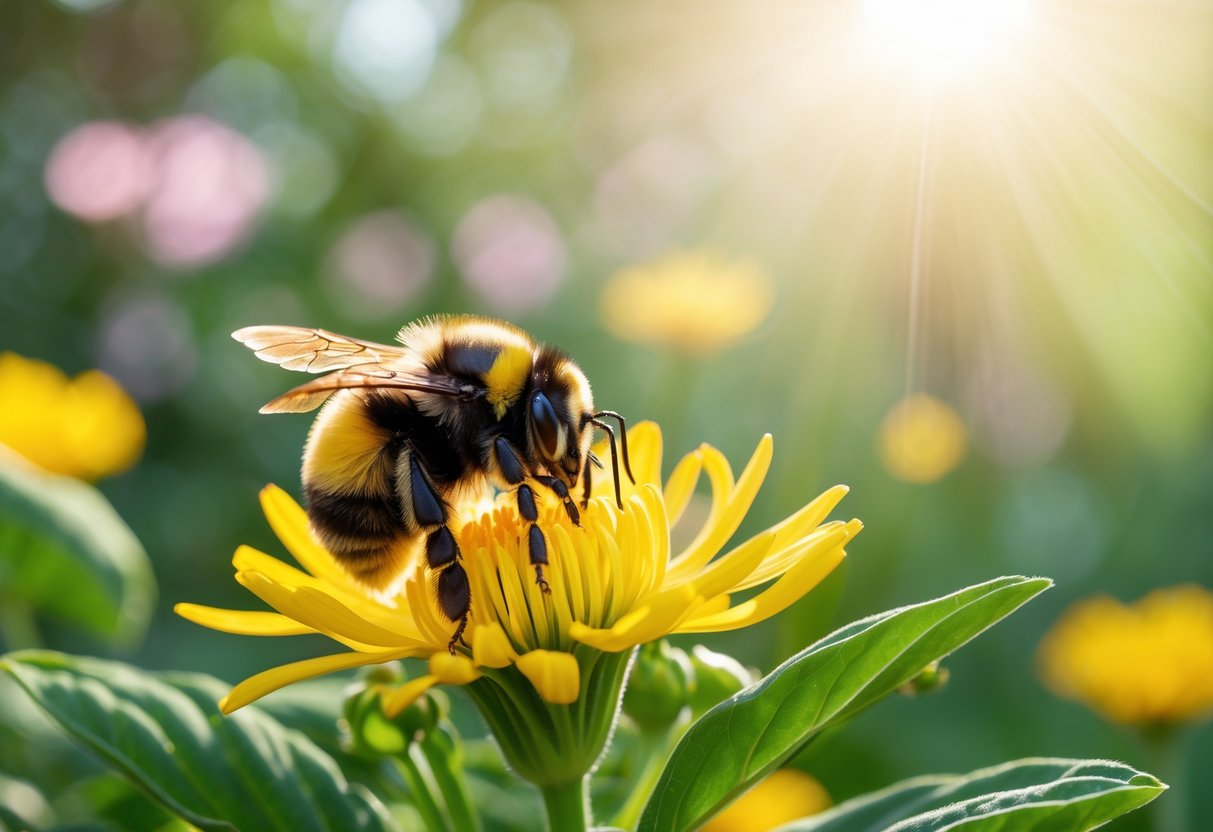
You can enjoy bumblebees by just watching them and supporting their natural habits. Giving them space and making your garden friendly helps protect these little pollinators—no need to touch.
Creating a Bee-Friendly Garden
Attract bumblebees by planting bee-friendly flowers like lavender, sunflowers, and clover. Native plants work best because they offer the right pollen and nectar.
Skip the pesticides, since those can harm bees. If you want to make your garden inviting, plant flowers that bloom at different times.
That way, bumblebees have food all season. Cluster flowers together so bees can move easily between blooms and gather pollen faster.
Water matters too. Set out a shallow dish with smooth stones and a bit of water so bees have a safe place to drink.
This simple setup helps you support bumblebees without needing to pick them up or interrupt their work.
The Importance of Pollination
Bumblebees move pollen from flower to flower, which helps plants grow fruits, veggies, and seeds. Without them, a lot of plants would have a tough time reproducing.
Watching bumblebees pollinate lets you see a key part of nature’s cycle. When you don’t handle them, you let them do their job without stress.
Their fuzzy bodies are perfect for collecting pollen, which they carry back to their nest. Knowing how important they are makes it easier to appreciate their work.
Giving them safe spaces and lots of flowers helps keep gardens and crops healthy. Protecting pollinators like bumblebees really does make a difference.
Observing Bumblebees Safely
If you want to watch bumblebees, just stay still and move slowly when you’re near flowers. Quick, jerky movements usually scare them off, or worse, make them feel threatened.
I’d suggest grabbing some binoculars or your camera if you want a closer look. That way, you can get a good view without bothering them.
Try to keep a few feet of distance between you and the bees. This space gives them room to do their thing and keeps you out of sting range.
If a bee lands on a flower close by, just enjoy the moment. There’s really no need to touch—watching quietly is best.
Bumblebees don’t sting unless they feel hurt or trapped, so staying calm really helps. When you respect their space, you get to see their habits up close without any risk.
If you want more tips, check out how to safely appreciate these pollinators on sites like irescuebees.com.


