
Getting stung by a bee hurts, but for most of us, it isn’t really dangerous. Still, you should worry if you suddenly can’t breathe well, notice swelling in your throat or face, or start feeling really sick—like nausea or throwing up.
Those signs mean your body’s having a serious allergic reaction, and you need fast medical help.

Even if you don’t get those scary symptoms, it’s smart to keep an eye on the sting if swelling sticks around for days or pain gets worse.
If you’ve had multiple stings or allergic reactions in the past, you’re at higher risk and should be extra careful.
Knowing what to look for—and when to act—can help you stay safe and still enjoy being outdoors.
Ever wondered when a bee sting crosses the line from annoying to dangerous? Let’s break down the main warning signs and what you should do if you spot them.
You’ll pick up some tips on protecting yourself and knowing when to get help.
When to Worry About a Bee Sting
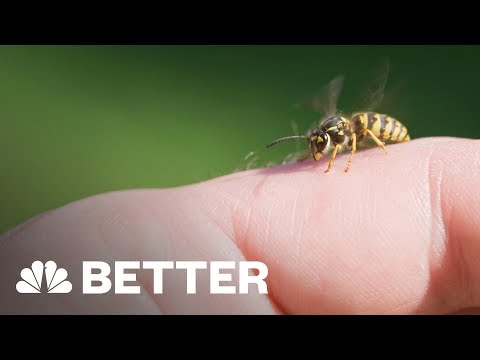
Bee stings usually cause mild pain and swelling.
But sometimes, your body reacts in ways that need quick medical care.
Watching for the right signs after a sting can make a big difference.
Recognizing Severe Allergic Reactions
Some people have a bee sting allergy.
If you notice hives, redness, or itching spreading beyond the sting area, you might be having a severe allergic reaction.
This can happen even if you’ve never been stung before—surprising, right?
If swelling spreads to your face or limbs, you should pay attention.
When the sting site stays really swollen or turns painful and red after a day or two, that could mean infection.
Don’t ignore these changes or try to tough out severe swelling on your own.
If you already know you’re allergic, your body could react even faster and more strongly.
Carry your epinephrine auto-injector (EpiPen) if your doctor prescribed one, and make sure you know how to use it.
Identifying Anaphylaxis Symptoms
Anaphylaxis is a life-threatening reaction that needs emergency help right away.
Watch for these symptoms:
- Trouble breathing or wheezing
- Swelling in your tongue, throat, or lips
- Chest or throat tightness
- Difficulty swallowing
- Rapid heartbeat, dizziness, or fainting
- Vomiting or diarrhea
If you have any of these after a bee sting, call 911 immediately.
Using an epinephrine injection right away can save your life.
Don’t wait around for symptoms to get worse—act fast.
When Localized Swelling Becomes Dangerous
Most swelling from bee stings fades within 48 hours.
If redness or swelling grows after that or hangs around for more than a week, you might have an infection.
Look out for these signs:
- Pain that keeps increasing
- Pus or oozing from the sting site
- Warmth around the area
If swelling spreads up your leg or arm, go see a doctor.
Infections need antibiotics and quick care to avoid bigger problems.
Multiple Stings and High-Risk Individuals
Getting stung a bunch of times—like more than a dozen—can be serious, even if you’re not allergic.
You could feel nauseous, start vomiting, get diarrhea, spike a fever, or feel faint.
That happens because your body’s dealing with too much venom at once.
If you’ve had bad reactions before or get stung multiple times, don’t wait to get medical help.
Young kids, older adults, and people with heart or lung issues are also more at risk.
A little caution goes a long way to keep you safe from serious bee sting problems.
Check out more info about when to be concerned about a bee sting and which symptoms need urgent care here.
Bee Sting Types, Allergies, and Treatment

Knowing the differences between stings and how to treat them helps you respond safely.
Bee stings aren’t the same as wasp or yellow jacket stings, and that changes how you handle things.
Mild stings can be managed at home, but allergies need more attention to avoid big problems.
Differences Between Bee, Wasp, and Yellow Jacket Stings
Bees have a barbed stinger that usually gets stuck in your skin.
The stinger keeps pumping out venom even after the bee flies away.
Wasps and yellow jackets use smooth stingers, which means they can sting you multiple times.
That’s why wasp or yellow jacket stings can hurt more and deliver more venom fast.
Bee venom mostly causes local reactions—redness, swelling, and pain where you got stung.
Wasp and yellow jacket venom can cause stronger reactions because their venom has different proteins.
If you get stung a bunch of times by yellow jackets or wasps, your risk for a severe allergic reaction jumps.
Treating Mild and Moderate Bee Stings at Home
If a bee stings you, scrape out the barbed stinger fast with something flat, like a credit card.
Don’t squeeze it, or you’ll push more venom in.
Clean the area with soap and water.
A cold compress helps with swelling.
You can take antihistamines if you’re itchy.
Over-the-counter creams like cortisone or other topical steroids calm down inflammation.
Try not to scratch, since that can cause infection.
Most mild or moderate stings heal up in a few days.
But if swelling spreads or you start feeling dizzy, get medical help.
Long-Term Allergy Treatments and Prevention
If you know you’re allergic to bee or wasp venom, you really need to stay on top of things. Your doctor might suggest immunotherapy, or allergy shots. With this treatment, you get exposed to tiny bits of venom over time, so your body slowly gets used to it.
If your doctor gives you an epinephrine injector, keep it with you at all times. Try to stay away from places where bees or yellow jackets hang out.
Wear light-colored clothes, and skip the strong perfumes or lotions. If you’re outside and spot insects nearby, just stay calm and back away slowly—don’t swat at them.
If you’ve had a bad reaction or gotten stung more than once, ask your doctor about allergy testing. That way, you can work together on a plan that actually fits your life.
For more on symptoms and treatment, check out bee sting symptoms and treatment.


