
Ever watched a bee buzzing around and wondered if it can actually feel happy? Bees do show signs of positive feelings, like being calm or even optimistic.
We can’t say for sure how bees feel, but scientists have found they might experience something like happiness when they get sweet food or live in a peaceful, safe hive.
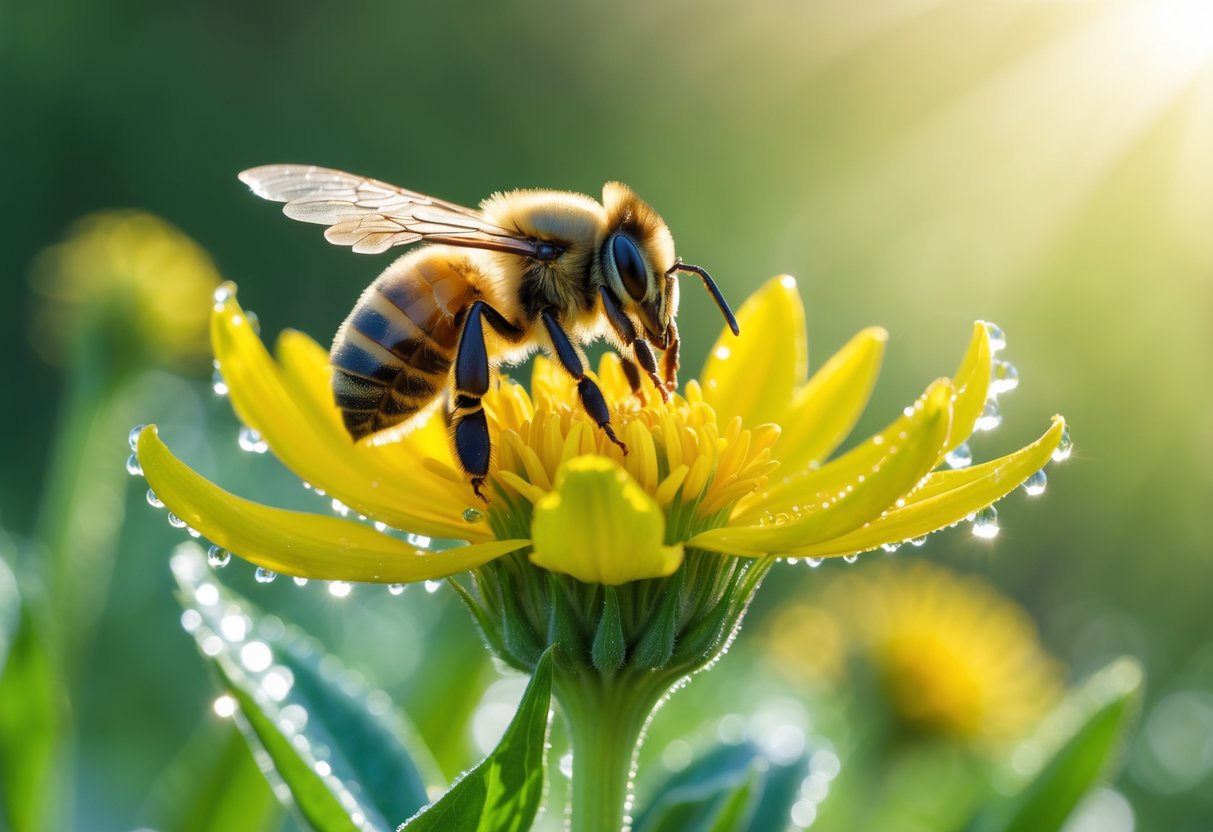
When bees get stressed or scared, they act differently. They become defensive and slack off on their work.
But when they feel safe and well-fed, you’ll notice their behavior shifts—they seem more upbeat. It’s kind of surprising how these tiny creatures respond to good experiences a bit like we do.
Knowing this can help you care for bees and support healthy hives. If you’re curious about what makes bees feel good or how they might actually be “happy,” let’s dig into what’s going on with these fascinating pollinators.
Do Bees Experience Happiness?

Bees actually show changes in behavior and brain chemistry that hint at feelings like happiness. Their reactions to treats, brain chemicals, and how they handle stuff all give us clues about their moods.
It’s kind of wild to think about, but these details help us see how bees might feel positive emotions.
Emotional States in Bees
Bees can show different moods based on what’s happening to them. For example, after a sugary treat, bumblebees act more upbeat and playful.
This change really looks a lot like happiness, at least from our perspective.
These moods help the whole hive work better. When bees feel good, they get more active and do a better job finding food.
When bees get stressed or trapped, they act more cautious or even pessimistic.
So, bees react emotionally to their environment, and these feelings actually help the whole group survive. Their emotional states seem real and pretty important for their survival.
If you’re interested in how different bee species react emotionally, check out this article on emotional states in different bee species.
The Role of Bee Brain Chemistry
Your brain uses chemicals like dopamine and serotonin to help you feel things. Bees have those chemicals too, which is kind of amazing.
When bees get sugary food, their dopamine levels go up. This probably makes them feel more positive and focused on rewards.
Scientists have noticed that this dopamine boost triggers behaviors that look like joy or excitement—more buzzing, more exploring, that kind of thing.
Bees have way simpler brains than humans, so their emotions aren’t the same as ours. But their brain chemistry suggests they can have basic positive feelings.
You can read more about this in a piece on dopamine-based positive emotions in bumblebees.
Cognitive Biases and Optimism in Bees
Did you know bees can be optimistic? Scientists test this by giving bees choices that could turn out well or badly.
Bees that get treats before the test take more risks and explore more.
This behavior is called a “cognitive bias.” In humans, it shapes our mood and decisions.
For bees, these biases suggest they can be in a positive frame of mind, almost like feeling happy or hopeful.
If bees think a new path could lead to food, the optimistic ones will try it. More anxious or pessimistic bees avoid it.
So, their inner state really affects their choices.
There’s more on this in a study about optimistic judgment in bees.
What Makes a Bee Happy?
A bee’s happiness depends a lot on what it eats, its social life, and its environment. The right food, a calm hive, and good company all matter.
Different types of bees, like honeybees and bumblebees, show happiness in their own ways.
Effects of Nutrition and Nectar
What bees eat really affects their mood. Bees need nectar for energy and pollen for protein.
Nectar’s sugar content fuels their flight. Pollen gives them nutrients for growth and health.
When bees find rich nectar or tasty pollen, they get more active and just seem happier.
Honeybees turn nectar into honey, storing energy for tough times. Propolis—a sticky resin from plants—helps keep the hive safe and healthy.
Good nutrition means bees can work well, build strong hives, and stay healthy.
Some studies show bees act more positive after tasting especially sweet nectar. When nectar is scarce or not great, bees seem less lively and may avoid tasks.
Social Behavior and Hive Dynamics
You can spot a happy hive by how calm and busy the bees are. Bees work together to build comb, care for young, and keep the colony safe.
If the hive feels calm and there’s enough food, the whole colony does better.
Honeybees are super social and really depend on each other. Stress, like fights or cold snaps, makes them less active.
Bumblebees also need good social conditions, but they live in smaller groups.
A clean, quiet hive with enough space matters a lot. If you see smooth comb and busy bees, chances are the colony is thriving and content.
Observing Happiness in Different Bee Species
Honeybees and bumblebees show happiness in their own ways. Honeybees mostly act on instinct, but you’ll notice them react to good food or a calm hive with more positive behaviors.
Bumblebees? They sometimes seem optimistic, especially after they get a treat.
Scientists watch how bees respond to tasks or rewards to guess what they’re feeling. For instance, when bees expect a reward, they’ll rush into a chamber with a bit more excitement. That eagerness hints at a good mood.
Each species needs something a little different. Still, all bees benefit from safe spaces and plenty of good food.
If you watch their behavior—like busy flights or a peaceful hive—you’ll get a sense of whether your bees are doing well.
Want to dig deeper? Check out what-makes-bees-happy to learn more about helping your bees thrive.


