
You spot a bee on the ground, or maybe it’s just moving really slowly, and you wonder—does it need help? A bee probably needs a hand if it can’t fly, looks cold or wet, or seems tired and weak. These signs usually mean the bee’s in trouble and could use some care.

But not every bee on the ground is struggling. Sometimes they’re just taking a break or warming up.
If you know what to look for, you’ll figure out pretty quickly whether to help or just let the bee be. Sometimes the best thing is to step back and let it recover on its own.
Helping a bee in distress isn’t complicated. A little care can make a big difference for these important pollinators.
Let’s look at how to spot when a bee needs help, and what you can actually do to help it safely.
How to Recognize When a Bee Needs Help
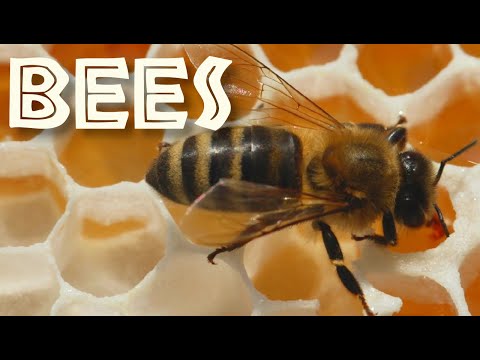
Sometimes you’ll see a bee that looks like it’s having a rough time. It’s not always obvious, but knowing what to watch for helps you decide if the bee just needs a quick rest or if it really needs your help.
Take a close look at how the bee moves and acts. That’ll tell you a lot.
Signs of a Bee in Distress
A bee in distress typically looks slow, weak, or can’t get off the ground. If you see a honey bee, bumble bee, or even a solitary bee lying still or sticking to one spot, it might be struggling.
Bees that don’t respond when you gently nudge them, or don’t try to move away, are probably too tired or sick. That’s a pretty clear sign.
Sometimes bees shake, fall over, or just stay frozen for too long. If you notice a bee that looks damp or covered in dust, it probably can’t fly.
If a bee gets stuck in water or can’t get up after a spill, it really needs help.
Understanding Bee Behavior: Resting, Tired, or Injured
Bees rest sometimes—especially bumble bees. They might just be warming up before flying.
If you see a bee sitting quietly but still moving its legs or antennae, it’s likely just resting.
Tired bees act differently. They might flap their wings slowly or stay low on flowers or leaves as they recharge.
Injured bees are pretty obvious. They might drag their legs, have ragged wings, or just stay stuck in one place.
Unlike resting bees, injured ones don’t respond much to touch or move on their own. It’s good to remember not every slow bee needs help—some really are just taking a break.
Common Causes for Bees Being Stranded
Bees get stranded for a bunch of reasons. Sometimes they just run out of food or water, especially if the weather’s been bad and flowers are hard to find.
Pesticides can also make bees weak or confused. That’s a sad one, but it happens.
Illness or parasites sometimes hurt bees and keep them from flying. Solitary bee species seem more vulnerable since they don’t have a hive to protect them.
If you pay attention to these causes, you’ll know when to step in and when to let nature do its thing.
If you find a stranded bee, you can offer a simple sugar water mix to help it get some energy. For more info, check out how to tell if a bee is dying or tired.
Safe Ways to Help Bees in Need

You can help bees without stressing them out. Offer food carefully, create little shelters, and sometimes just back off if that’s what’s best.
When and How to Offer Sugar Water
If a bee looks weak or cold, you can offer sugar water. Mix two parts white sugar with one part water—nothing fancy.
Don’t use honey or artificial sweeteners. Those can actually harm bees.
Put a few drops of the sugar water on a small dish or spoon. Set it near the bee, but don’t flood the spot.
This way, the bee can drink at its own pace and stay safe.
Only do this when bees are clearly struggling, like after bad weather or when they seem totally exhausted. If the bee’s still active and healthy, it’s better to just leave it alone.
Providing Shelter for Stranded Bees
Bees need safe places to rest, especially solitary bees and bumble bee queens in cooler months.
You can set up a bee house made of wood with small holes or tunnels. These little shelters mimic where bees would naturally hide out.
Put the bee house in a sunny, quiet spot near some flowering plants. Don’t pick up the bee—let it find the shelter on its own.
Bee houses support local bee colonies and help protect them from pesticides and disease by giving them a clean, secure place to stay.
Supporting Bees Without Direct Intervention
You don’t always have to touch or feed bees to make a difference.
Try planting native flowers—they’ll give bees natural food all season long. Both honeybees and wild bees benefit from this.
Skip the pesticides in your garden. Those chemicals can mess with bee health and wipe out their food sources.
Letting a few spots get a bit wild with native plants? Honestly, that’s one of the easiest ways to help.
If you like snapping photos, post them online and share some info about bees. Maybe someone else will get inspired and make their own bee-friendly space.
When more people create safe places for bees, fewer of them end up needing rescue later.


