
Ever wondered if it’s actually safe to pick up a bumblebee? You’re definitely not alone in that curiosity. Bumblebees look soft and fuzzy—almost inviting—but they’re still wild insects. If they feel threatened, they might sting. You can gently pick up a bumblebee without harm, but only if you’re calm and super careful.
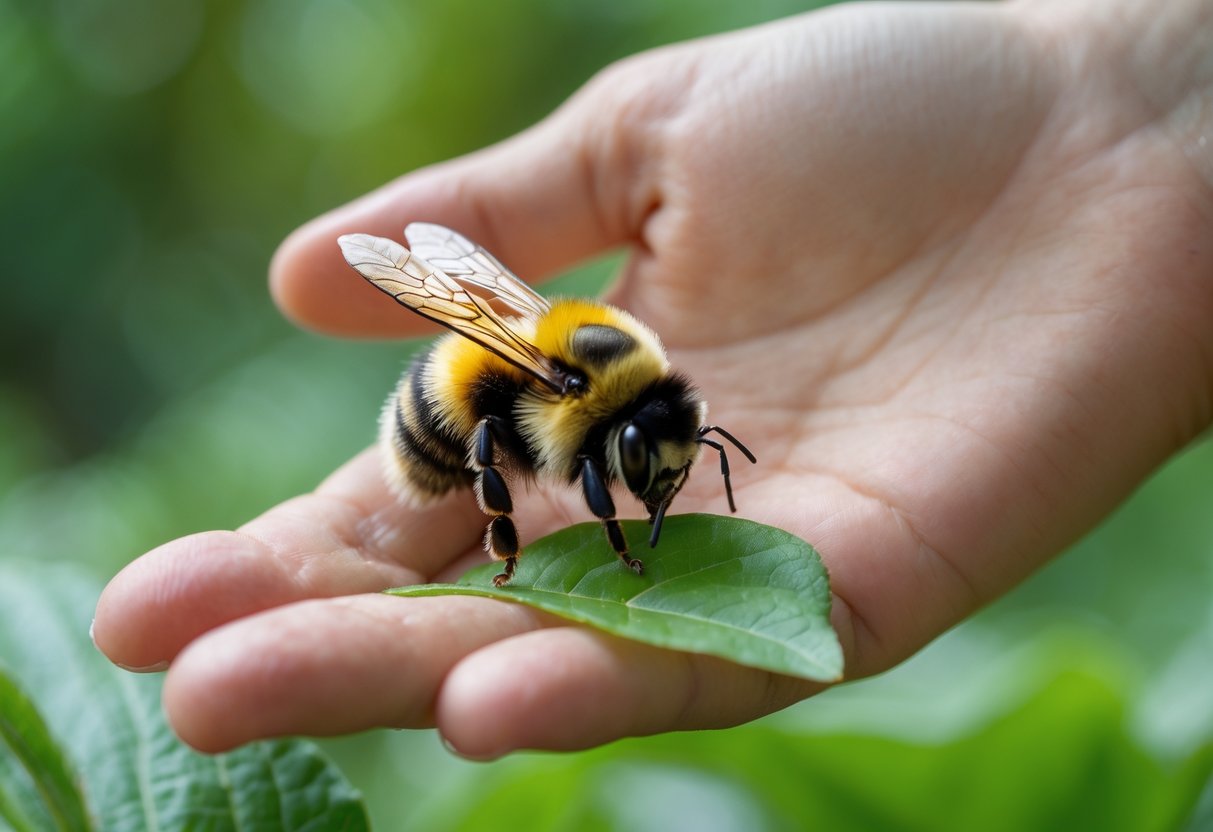
Pay close attention to their behavior. Make sure the bee isn’t acting scared or stressed.
Using gentle tools or waiting for a bee to stay still can help you avoid hurting it—or getting stung. Learning how to handle them safely makes the experience better for you and protects these important pollinators.
Approaching a bumblebee the right way really makes a difference for both you and the bee. Curious about the best tips for picking up a bumblebee safely? Let’s dig in!
Is It Safe To Pick Up A Bumblebee?
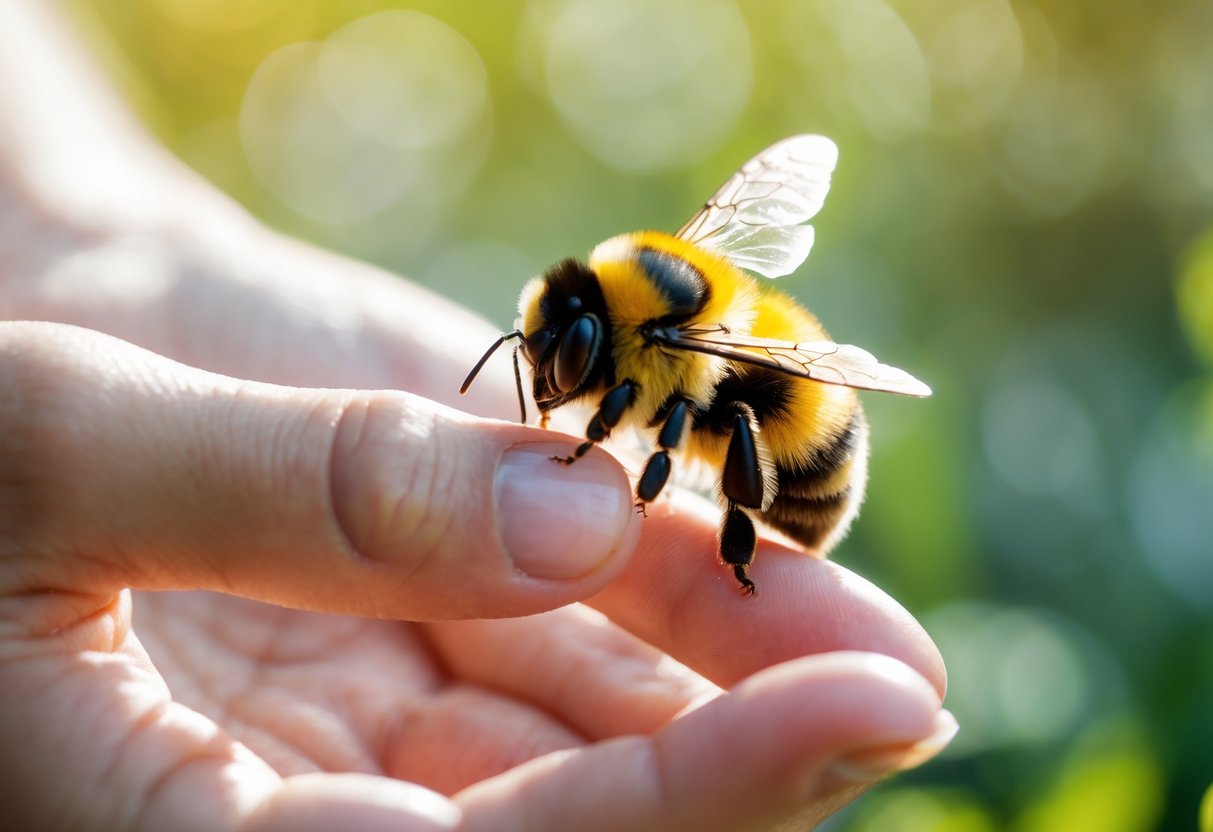
Picking up a bumblebee might seem tricky. They can sting if they feel threatened, but honestly, they’re usually pretty chill.
If you know how bumblebees act and what risks come with handling them, you’ll have a better chance of staying safe—and so will the bee.
Understanding Bumblebee Behavior
Bumblebees, or Bombus, generally don’t act aggressive. They’re mostly interested in flowers and moving pollen around.
Female bumblebees have stingers. They use them only if they need to defend themselves or their nests, but they usually sting when they’re scared.
Male bumblebees don’t have stingers at all, so you don’t have to worry about getting stung by them. Bumblebees move slowly and they’re less likely to sting than other bees.
Sometimes, you can attract them with sweet liquids like sugar water. That can make them more relaxed, so it’s safer to pet or gently stroke them.
Risks Of Picking Up Or Petting A Bumblebee
Picking up a bumblebee always comes with some risk—for you and for the bee. If you grab or squeeze it, the bee might sting to protect itself.
Rough handling can injure its delicate wings or body, so you really have to be gentle.
If you want to pet a bumblebee, try letting it land and feed on sugar water or honey first. This calms the bee and lowers the chance of a sting.
Stay calm and avoid sudden movements. If you’re jumpy, the bee might get startled too.
| Tips for safer interaction |
|---|
| Use sugar water to attract the bee |
| Let it land on you; don’t grab |
| Stroke gently with one finger |
| Move slowly and stay calm |
Bumblebee Stings And Allergic Reactions
A female bumblebee can sting more than once, since her stinger doesn’t get stuck like a honeybee’s. Bumblebee stings hurt, but most people just get a bit of redness and swelling.
Some people have allergic reactions, though. Watch out for symptoms like itching, hives, swelling beyond the sting site, or trouble breathing.
If you know you’re allergic, it’s best to steer clear of picking up bumblebees.
If you do get stung, clean the spot, put some ice on it, and keep an eye out for serious symptoms. If you notice anything severe, get medical help right away.
You can learn more about how to safely hold bumblebees and their behavior on trusted sites.
Friendly Ways To Appreciate Bumblebees

You don’t have to touch bumblebees to enjoy them. There are plenty of simple ways to support these little workers and create a safe space for them near your home.
Understanding their role in nature helps you see why they matter so much.
Observing Bumblebees In Their Habitat
Watching bumblebees is a great way to learn about them and keep everyone safe. Stand a few feet away from the flowers where they gather nectar and pollen.
Move slowly and avoid sudden movements so you don’t scare them.
You might spot bumblebees resting or feeding on flowers. If a bee looks calm and doesn’t fly away, just watch quietly.
Never grab or touch them, especially near their nests. They might sting if they feel threatened.
Taking photos from a distance is a nice way to appreciate their gentle nature.
Creating A Bee-Friendly Garden
Attract bumblebees by planting a mix of native, bee-friendly flowers. Pick plants that bloom at different times so there’s always nectar and pollen available.
Lavender, clover, and sunflowers are all good choices.
A mix of colors and shapes helps bumblebees find food more easily.
Skip the pesticides—they can harm bees. Leave some bare patches of soil or small sandy spots for nesting.
It’s a simple way to show you care and help keep bumblebee populations healthy in your area.
The Role Of Bumblebees In Pollination
Bumblebees play a huge part in pollinating plants. They buzz from flower to flower, picking up pollen and dropping it off as they search for nectar.
This simple act lets plants produce seeds and fruit, which keeps gardens, farms, and wild spaces going. Honestly, it’s kind of amazing how much these fuzzy insects do for us.
You probably eat plenty of fruits and veggies that bumblebees help grow. If you give them food and safe places to live, you’re making a real difference for your favorite plants.
It’s worth noticing their visits—maybe next time you spot one, you’ll feel a bit more grateful.
You can find more tips about watching bumblebees and their gentle habits at irescuebees.com.


