
So, you’re wondering if you can actually get honey from bumblebees? The answer might surprise you. Bumblebees do make honey, but honestly, it’s such a tiny amount that people can’t really harvest it.
Unlike honeybees, bumblebees skip the big honey reserves. They don’t need to survive harsh winters, so they never bother making extra.
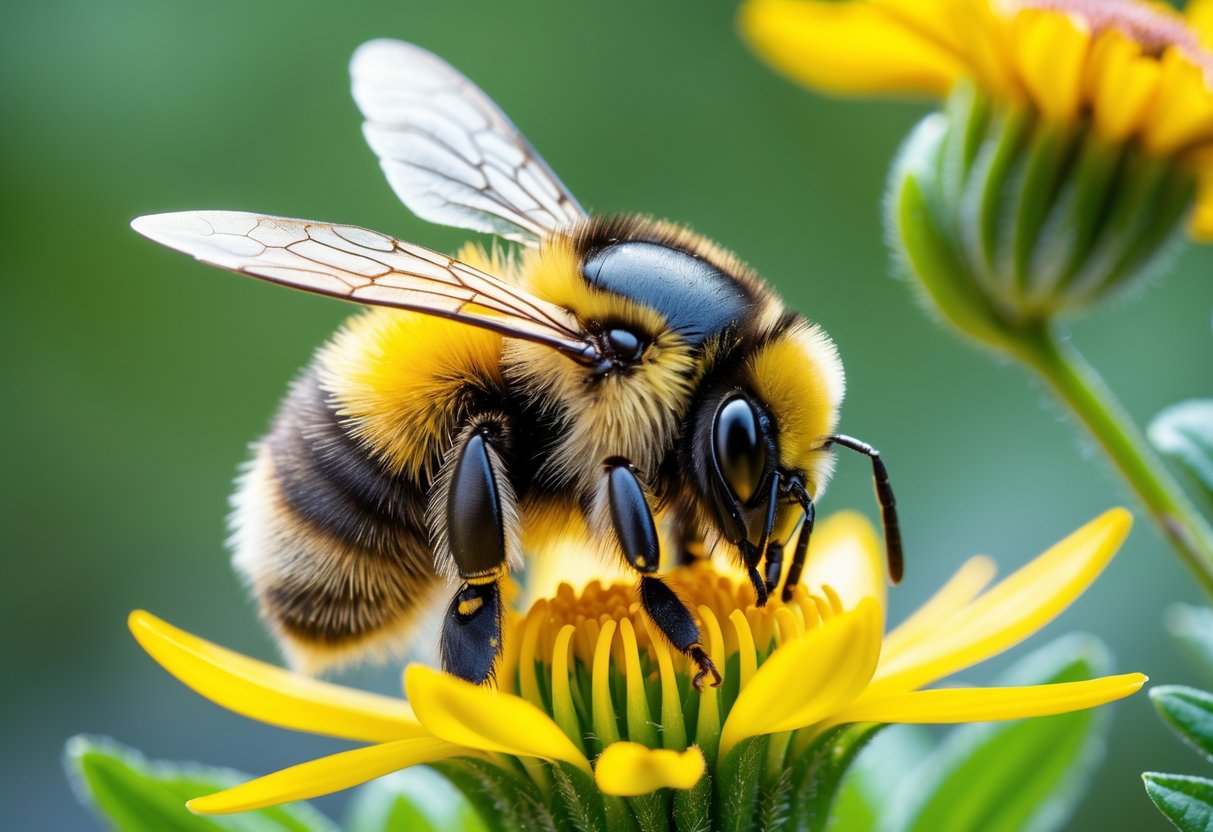
Bumblebees use their honey mainly to keep their short-lived colonies running, especially while raising their young. Since their nests fade out after a season, they just don’t stockpile much.
That’s why bumblebee honey isn’t anything like the stuff you get from honeybees.
Can You Get Honey from Bumblebees?

Bumblebees do make honey, but the amount is nothing like what honey bees produce. Their honey-making habits tie directly to their short, seasonal lives.
How Bumble Bees Make Honey
You’ll see bumblebees using their long tongues to collect nectar from flowers. When they get back to the nest, they pass this nectar to other workers.
Those workers chew the nectar and stash it in tiny wax pots, slowly drying it out. It’s not a big operation.
Bumblebees make honey mostly as backup food. They use it to get through chilly spells or when flowers are scarce.
Since their colonies don’t last through winter, they don’t pile up honey like honey bees do.
Quantity and Availability of Bumble Bee Honey
Bumblebee colonies only manage to make a little honey—just enough for the queen and the larvae when times get tough. Most nests hold just a couple grams at most.
You won’t see anyone harvesting bumblebee honey. It’s not made for us, and there’s barely enough for the bees themselves.
So, if you hoped to taste bumblebee honey, that’s not really possible.
Key Differences Between Bumble Bee and Honey Bee Honey
| Feature | Bumble Bee Honey | Honey Bee Honey |
|---|---|---|
| Amount Produced | Very small, only for nest use | Large amounts, enough to harvest |
| Storage Method | Small wax pots, scattered | Large honeycombs, organized |
| Purpose | Emergency food in short supply | Main winter food source |
| Taste and Texture | Thinner, less sweet | Thicker, sweeter, more stable |
Bumblebee honey turns out thinner and doesn’t keep as well, since it’s not meant for long storage. Honey bees, on the other hand, make honey that’s thick, sweet, and built to last.
That’s why people love honey bee honey and not bumblebee honey.
If you’re curious, you can read more at beekeepercorner.com.
Bumble Bees’ Ecological Role and Conservation
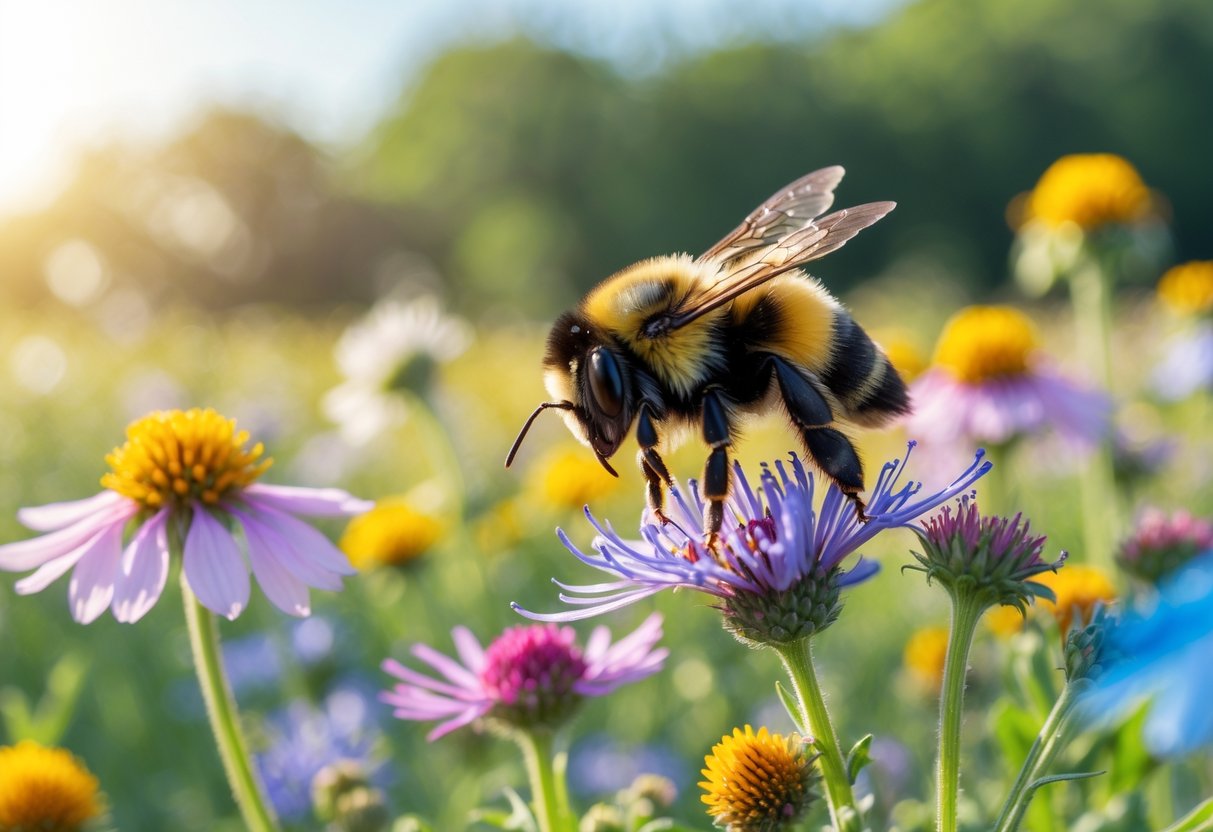
Bumble bees do a lot for nature. They help plants grow and keep ecosystems balanced.
If you want to help, learning about their lives is a great first step. Even small changes in your yard or neighborhood can make a noticeable difference.
Pollination Contributions and Ecosystem Impact
Bumble bees make fantastic pollinators. They grab nectar and pollen from flowers, helping plants produce fruit and seeds.
They keep working even when it’s chilly or cloudy, so they pollinate flowers in early spring and late fall—times when other insects might be hiding out.
Bumble bees support wild plants and crops like tomatoes, blueberries, and peppers. Their “buzz pollination” (that little vibration trick) shakes pollen loose for plants that need it.
Honestly, that makes them vital for both wild habitats and farms.
Social Structure and Colony Lifecycles
Bumble bee colonies stay pretty small—usually just a few hundred bees. One queen starts fresh each spring by laying eggs.
Worker bees go out for food and keep the nest safe.
The colony only lasts for a single season. When fall arrives, males and new queens leave to mate.
After that, the old queen and most workers die before winter hits. New queens hibernate alone and start the cycle again next year.
It’s a short life, so bumble bees really depend on steady resources.
Threats Facing Bumble Bee Populations
Bumble bees face some real challenges. Habitat loss from farms and cities wipes out their food and nesting spots.
Pesticides in gardens and fields can hurt or weaken them, even if that’s not the intention.
Climate change messes with their timing, making flowers bloom earlier or later, so food isn’t always there when they need it.
Parasites and diseases hit colonies hard, making their numbers drop. Since their colonies don’t stick around for long, bumble bees are extra sensitive to these problems.
Supporting Bumble Bees at Home
You can help bumble bees by making your outdoor spaces more inviting for them. Try planting native, bee-friendly flowers that bloom at different times—this way, bees can always find food.
Skip using pesticides, especially when flowers are blooming. It’s just safer for the bees.
If you build or buy bee hotels, you’ll give solitary bees and other pollinators a safe place to stay. Leaving some bare soil or bits of wood around helps queens find good spots to hibernate.
When you create a welcoming environment, your garden or yard actually becomes part of the bigger solution. You’re helping protect these important pollinators, even if it doesn’t always feel like much.
Curious to learn more? Check out The Essential Role of Bumblebees in Ecosystems.


