
Ever wondered how long bees actually live? Well, it really depends on the type of bee you’re talking about.
Worker bees usually stick around for just a few weeks, buzzing around collecting nectar and pollen to keep things running smoothly in the hive.
But if you’re asking about the longest-lived bee, that’s the queen. She can make it up to five years if things go her way.
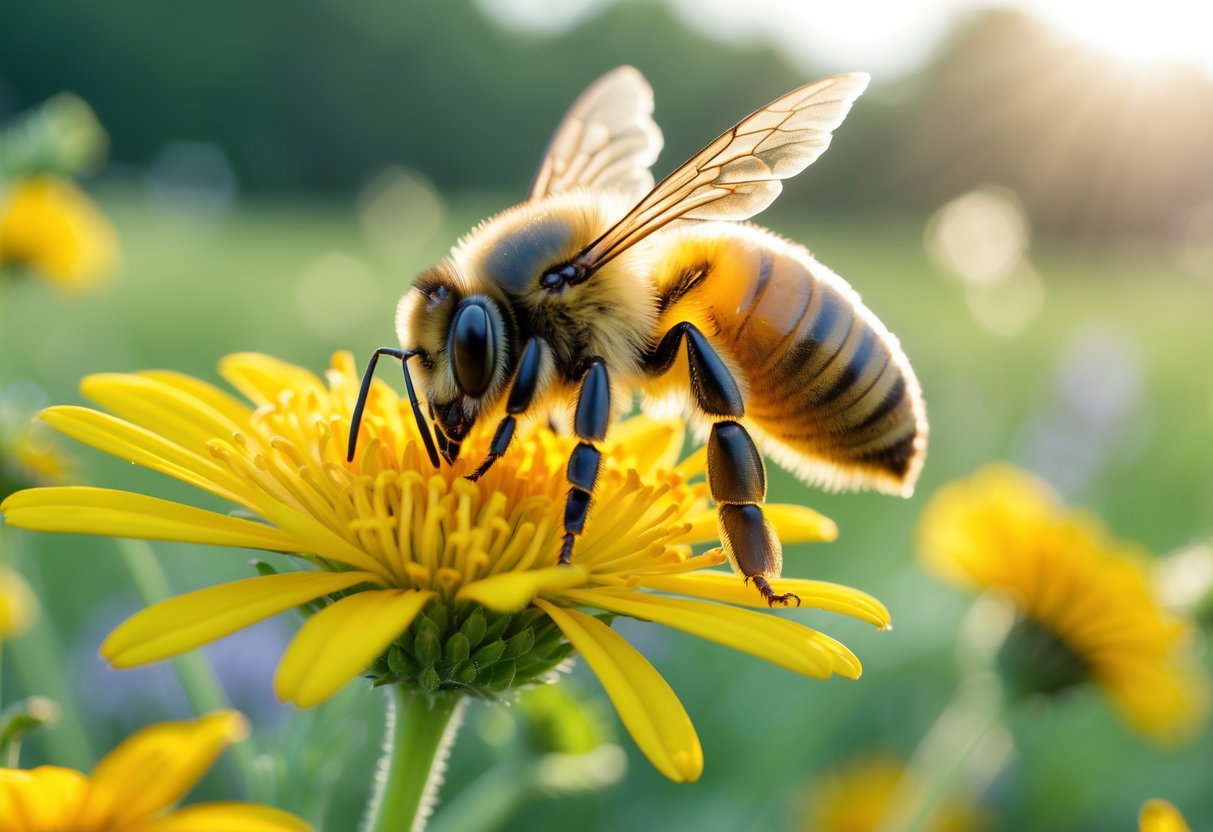
Maybe you’re curious about more than just those tireless worker bees. The queen bee lives a totally different life.
She spends her days laying eggs—sometimes up to 2,000 in a single day—and keeps the whole colony in line with her pheromones.
Drones and solitary bees? Their lives are much shorter.
Getting to know these differences helps you appreciate just how busy and varied the world of bees really is.
Not all bees live the same way or for the same reasons.
Their species, their jobs, and even the weather outside can change how long they stick around.
Bees face threats like predators and disease, too.
If you’re curious about why some bees outlast others, let’s get into what really affects bee lifespans.
How Long Can a Bee Live?

So, why do some bees last only a few weeks while others make it for months or even years? It mostly comes down to what job they have in the colony, what species they are, and what’s going on in their environment.
Bee Lifespans by Role: Worker, Queen, and Drone
A bee’s job really shapes how long it sticks around.
Worker bees—those busy females—usually live about 4 to 6 weeks. They’re out foraging, cleaning, or looking after the young almost nonstop.
Queen bees take the prize for longevity. They can live anywhere from 3 to 5 years, spending most of their time laying eggs while the workers fuss over them.
Drones, the male bees, don’t get much time. They usually live just about 2 weeks, and their main purpose is to mate with a queen. Once that’s done, they’re gone.
Comparing Lifespans Across Common Bee Species
Different bee species have their own timelines.
Honeybee workers live around 4 to 6 weeks. Bumblebee workers might make it about a month.
Solitary bees—like mason bees and carpenter bees—generally last just a few weeks as adults. Most of their life is spent as larvae or pupae.
Female mason bees can hang on a bit longer, maybe 6 weeks.
Seasons and climate shift things, too. Bees in warmer places might live shorter or longer lives, depending on how much food is around and what the weather’s doing.
Longest-Lived Bee: Factors Contributing to Longevity
Queen bees get special treatment.
They eat royal jelly and the workers take care of them. Genetics help out, too—some queens can survive for several years.
Temperature, food, pesticides, and disease all play a part in how long bees last.
Solitary bees need to find safe places to nest and steer clear of predators.
Social bees, like honeybees, do better and live longer when their colony is healthy and protected.
If you want to dig deeper into bee lifespans by species and roles, you can check out this bee lifespan by role and species guide.
What Impacts the Lifespan of Bees?

Plenty of things affect how long bees stick around.
Their biology, how healthy their colony is, what they eat, and all the dangers out there—it all matters.
If you want to help bees or just appreciate them more, understanding these factors is a good place to start.
Life Cycle and Biology Influences
A bee’s stage in life makes a big difference.
Worker bees live about 5 to 6 weeks during the busy summer, since they’re always out gathering nectar and pollen. Winter workers can last several months because they slow down and stay inside more.
Drones, the males, usually only make it a few weeks.
Queen bees top the charts, sometimes making it 3 to 5 years. They mostly lay eggs and avoid risky jobs like foraging.
Each bee type grows up differently. Queens get royal jelly right from the start, and that changes how long they last.
Colony Health and Social Structure
A healthy colony means longer lives for the bees inside.
When you’ve got a strong queen and the right balance of workers and drones, things just work better.
Weak or stressed colonies lose bees faster.
Beekeepers often bring in a strong queen to get things rolling. When the hive is balanced, there’s less stress and less fighting over resources, so bees can thrive.
If disease or poor structure creeps in, lifespans drop and productivity takes a hit.
Diet, Royal Jelly, and Nutrition
What bees eat matters—a lot.
Royal jelly gives queen larvae a boost, helping them live longer and grow bigger.
Workers and drones mostly stick to nectar and pollen.
When food gets scarce or the environment changes, bees get weaker and don’t live as long.
You’ll notice this if there aren’t enough flowers or if the colony gets stressed out. A good diet keeps bees healthy, helps their immune systems, and gives them the energy they need to keep working.
Threats: Varroa Mite and Environmental Stress
Varroa mites cause serious problems for bee lifespan. These tiny parasites latch onto bees, suck out their fluids, and spread nasty viruses.
Bees get weaker and, honestly, they just don’t last as long.
Extreme temperatures hit bees hard too. Hot summers or freezing winters make bees burn through energy just to survive.
Bad weather doesn’t help, either. Pesticides and shrinking habitats pile on even more stress, which means bees usually don’t get to live out their natural lives.
If you’re looking after bees, you’ll want to keep an eye out for mites. Try to shield the hive from rough weather when you can.
That way, your bees stand a better chance at living longer and staying healthy.
For more info on these issues, check out How Long Can Bees Live? Lifespan by Species and Role.


