
If a bee stings you, you might think about just leaving the sting alone. But honestly, you should pull that stinger out as soon as you can, since it keeps pumping venom into your skin the longer it’s stuck there. Letting it stay just means more pain, swelling, and maybe even a higher chance of an allergic reaction.

Knowing what to do right after a sting can really save you from unnecessary discomfort. It’s easy to feel a bit shocked or confused, but acting fast makes a big difference.
In this article, I’ll explain why pulling the stinger out quickly matters. You’ll see how this simple step can help cut down on pain and swelling from a bee sting.
Understanding how to treat a bee sting can help you stay calm and safe. Whether you’ve dealt with this before or it’s your first time, a little know-how can go a long way.
Should I Leave a Bee Sting Alone?

After a bee stings you, it’s tempting to just ignore it. But the stinger often stays stuck in your skin, releasing venom and making pain and swelling worse.
How you react in those first moments really affects how quickly you recover.
What Happens if You Don’t Remove a Bee Stinger
Honey bees leave their stingers behind, and each one comes with a tiny venom sac. That venom sac keeps pumping venom into your skin until you get the stinger out.
The longer you wait, the more venom enters your body, which means more pain and swelling.
The barbs on the stinger make it tricky to pull out. If you leave it in, you’ll keep getting more venom, and that can cause redness and itching.
You really want to get it out as soon as possible to stop the venom from spreading.
Risks of Leaving a Stinger in Place
If you leave a bee stinger in, you’re not just dealing with extra pain. The venom causes inflammation, so your skin gets red, swollen, and sore.
This can drag on if you don’t remove the stinger.
Sometimes, leaving it in too long lets bacteria in and raises the risk of infection. If you’re allergic to bee venom, that lingering stinger can make a bad reaction worse.
You might see swelling all over, trouble breathing, or even a dangerous drop in blood pressure.
When Is It Necessary to Remove a Bee Stinger
Always try to get the stinger out quickly after a sting. Grab a credit card or use your fingernail to gently scrape it away.
Don’t use tweezers if you can help it, since squeezing might push more venom in.
If you can’t see the stinger or aren’t sure it’s gone, watch for more swelling or redness—those could mean venom is still spreading.
Taking the stinger out fast helps with pain, swelling, and lowers the chance of bigger problems. It’s a simple thing that can really help you feel better.
Want more info? Check out how to treat bee stings.
Proper Care After a Bee Sting
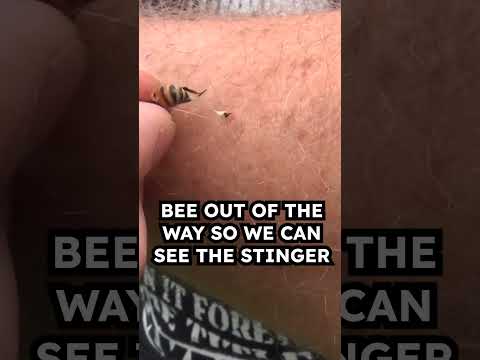
Taking care of a bee sting right away can really cut down on pain and help you avoid bigger problems. You’ll want to get the stinger out, watch for any allergic reactions, and keep an eye on the spot for signs of infection.
How to Safely Remove a Bee Stinger
Bee stingers sometimes stay stuck and keep releasing venom. You should remove it as soon as you notice it.
Grab a credit card or use your fingernail to gently scrape the stinger out. Try not to squeeze it with tweezers or your fingers, since that can push in more venom.
After you get the stinger out, wash the area with soap and water. You can put on a cold compress to bring down swelling.
If it’s itchy, try some antihistamine or hydrocortisone cream. Keep the area clean to help prevent infection.
Recognizing Severe Reactions if Allergic to Bees
If you’re allergic, bee stings can be much more serious. Watch for swelling that spreads, trouble breathing, dizziness, or a racing heartbeat.
Severe allergic reactions—anaphylaxis—are emergencies. If you know you’re allergic, always carry an epinephrine auto-injector and use it if you notice symptoms.
Call emergency services right away if that happens.
Most mild symptoms like redness and itching will get better with simple care. But if pain or swelling gets worse after a day, it’s a good idea to see a doctor.
Risks of Infection and Delayed Healing
Bee stings sometimes get infected, especially when the skin breaks or you don’t remove the stinger all the way. Look out for redness spreading past the sting, warmth, pus, or even a weird smell.
If you notice a fever, swollen glands, or pain that keeps getting worse after a day, you could have an infection and should see a doctor.
Try to keep the area clean and don’t scratch, even if it itches. If your last tetanus shot was more than 10 years ago, ask your healthcare provider if you need a booster.
You can find more tips at bee sting care and first aid.


