
Stumbling across a honey bee nest on your property can be a bit unsettling. You might feel like you have to get rid of it right away, but honestly, that’s not always necessary. If the nest isn’t bothering you or putting anyone at risk, it’s usually better to just let the bees be. They’re super important for pollination and the environment, after all.
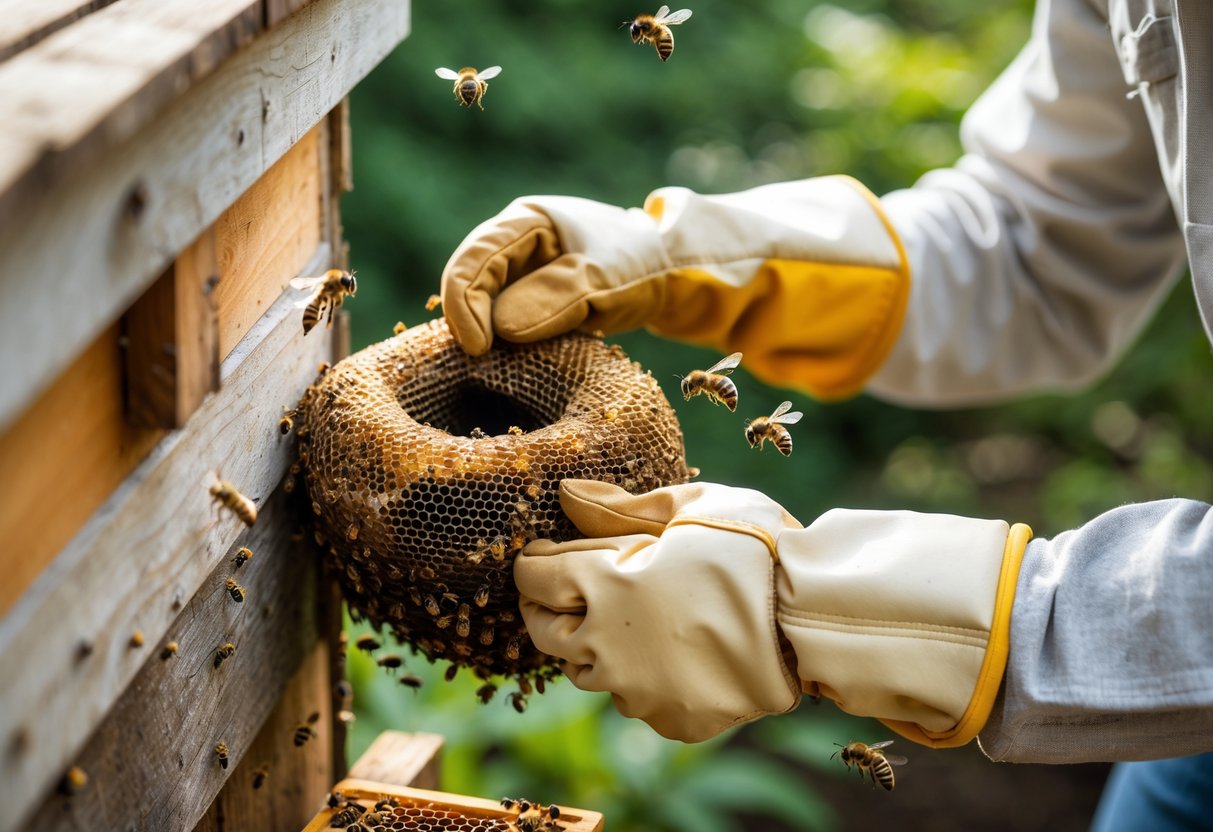
Of course, sometimes you can’t avoid it. If the nest is way too close to your house or starting to mess with your property, you’ll want to act. Taking care of the problem safely helps both you and the bees.
Before you do anything, it’s smart to weigh the risks, the benefits, and your options. That way, you can make a choice that works for everyone.
Is It Necessary To Remove A Honey Bee Nest?
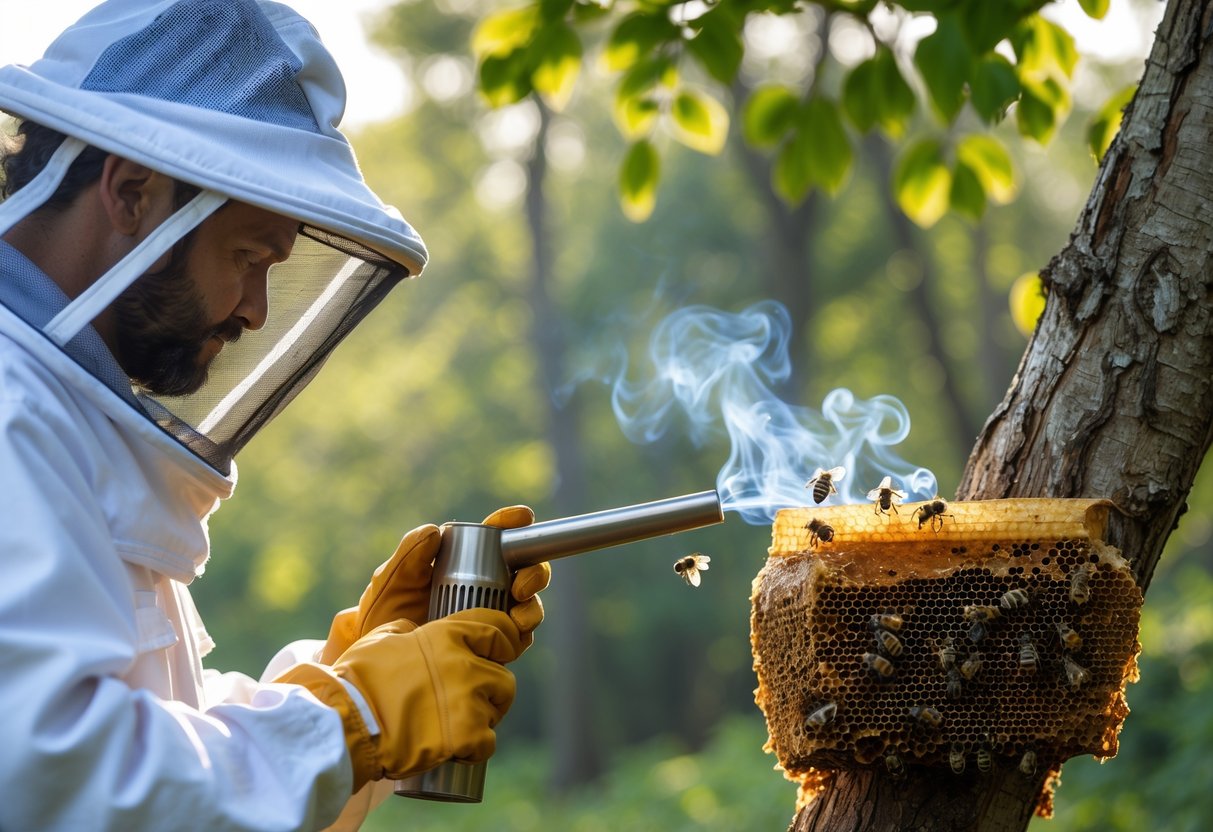
Whether you need to remove a honey bee nest really depends on a few things. Where did the nest pop up? Is anyone in danger? And what do the bees actually do for your local environment?
Understanding Honey Bee Nests
A honey bee nest is home for an entire colony, including the brood (that’s their young). Inside, you’ll find honey, pollen stores, and of course, the queen bee.
You might spot these nests tucked away in wall cavities, attics, trees, or under porches. Honeybees play a massive role in pollination, so unless the nest is a problem, it’s usually best to just leave it alone.
As the colony grows, the nest can get bigger. You may notice more bees buzzing around or even hear them if you listen closely.
Potential Risks Of Leaving A Honey Bee Nest
If a honey bee nest is right next to your living space, it can cause trouble. Bee stings are the biggest worry—especially if someone is allergic.
A nest can also damage your property. Honey might leak into walls or ceilings, which attracts pests and can lead to rot.
If the hive keeps growing, it might even cause structural problems. So, if anyone in your home is at risk of stings or if your property is taking a hit, it’s probably time to think about removal.
When Removal Is Not Recommended
If the nest isn’t causing any issues and it’s a good distance from your home, you can usually just leave it. Honeybees are vital pollinators, and taking away their nest can hurt the local ecosystem.
Killing bees during removal isn’t great either, especially since their numbers are dropping. Instead, you could call a pro who specializes in safe bee removal and relocation.
If the nest is small or tucked away safely, you might want to just keep an eye on it for a while. Sometimes, bees just move on by themselves.
For more details on safe removal, check out this friendly tips article on honey bee nest removal.
How To Safely Remove Or Relocate A Honey Bee Nest

If you need to remove or move a honey bee nest, you’ve got to be careful. Knowing whether you’re dealing with honey bees or something else, figuring out who can help, and understanding the risks—these things all matter.
Taking the right steps keeps both you and the bees safe.
Identifying Honey Bees Versus Other Insects
First, double-check that you’re actually dealing with honey bees. People often mistake them for yellow jackets, wasps, or hornets.
Honey bees look fuzzy and are golden-brown with stripes. Yellow jackets and wasps have smooth, shiny bodies and those bold yellow-and-black patterns.
Honey bees fly a bit slower and don’t usually act aggressive. Their nests look like honeycomb and are hidden in places like hollow walls or trees.
Wasp nests, on the other hand, are papery and hang out in the open. Getting the ID right matters because bees are protected pollinators, and you need a different approach for each.
Contacting Beekeepers Or Professionals
If you spot a bee hive on your property, reach out to a local beekeeper or bee removal service. Beekeepers know how to move bees safely, and they usually do it at night or at dusk when things are calmer.
Professional bee removers and pest control experts have the gear and experience for the job. Calling them lowers the risk of stings or property damage.
Don’t go after a hive yourself unless you really know what you’re doing. Let a pro handle it—they’ll keep it safe for everyone.
Differences Between Beekeepers, Pest Control, And Exterminators
Beekeepers focus on keeping bees alive and healthy. They relocate swarms and hives, moving them far enough away so the bees won’t come back.
Pest control pros might handle bee removal too, but sometimes they’re more about just getting rid of pests, not saving the bees.
Exterminators usually just kill the bees to get rid of the nest, which isn’t a great option since bees are so important. If you want a bee-friendly removal, look for a beekeeper or a humane pest control service instead.
Risks Of DIY Bee Removal
Trying to get rid of a honey bee nest on your own? Honestly, that can get pretty dangerous fast. Bees don’t mess around—they’ll defend their hive if you threaten it.
If you don’t have the right protective gear, or you skip important steps like using smoke to calm them, you’re probably looking at a bunch of painful stings. That’s not something most people want to deal with.
Messing with a nest can sometimes make the whole colony scatter or die off. Sometimes, bees just move deeper into your walls or some other impossible spot, which makes things worse.
If you miss part of the nest, the bees might even come back later. Most experts I know say you should reach out to a beekeeper or a pro for safe removal.
Want more advice? Check out this guide: Relocate Bee Nests Safely. Or if you’re just curious about bees in the house, there’s some info here.


