
Noticed more bees buzzing around your place lately? You might start to wonder what’s actually bringing them over.
Bees love easy entry points, sweet smells, and flowers or plants nearby that offer food. Small cracks, open vents, or chimneys let them sneak inside. Colorful flowers, fruit trees, and even scents like citrus or honey pull them into your yard.

If you figure out why bees come close to your home, you’ll have a better shot at managing their visits. You can take steps to keep them at a safe distance—without hurting them.
Learning these details helps you live peacefully with these hard-working pollinators.
Main Factors That Attract Bees Around Your House

Bees usually look for food, water, and safe places to rest or build nests. If you pay attention to these things, you’ll start to see why bees show up again and again.
Flowers and Flowering Plants
Bees can’t resist flowers—they gather nectar and pollen from them. Plants like lavender, sunflowers, marigolds, rosemary, and thyme seem to be bee favorites.
These flowers give bees the nutrients they need to make honey and feed their colony. If your garden bursts with blooms, you’ll probably see more bees.
Bright colors and strong scents signal food for them. Planting or removing certain flowers can change how many bees visit your house.
Water Sources and Standing Water
Bees need water just like we do, but they prefer clean, shallow spots. Bird baths, garden ponds, fountains, and even little puddles pull bees in.
If you leave water sitting out and easy to reach, bees will find it. You can cut down on bee visits by removing or changing out water in containers regularly.
Keeping water fresh also stops other pests from moving in.
Sweet Substances and Food Waste
Sweet stuff like soda, sugary drinks, fruit juice, and overripe fruit attracts bees fast. Garbage bins with leftover food or spills bring them over too.
Bees don’t just go for flowers—they’ll search for any easy food source. You can limit visits by sealing trash bins tightly and cleaning up spills quickly.
Don’t leave sweets or fruit outside. It’s a simple way to keep bees away from your hangout spots.
Shelter and Nesting Sites
Bees hunt for safe places to build their homes. They often set up hives in attics, wall gaps, chimneys, or under decks.
Some bees use old holes or soft wood for nests. If your house has small openings or hidden spaces, it looks inviting to them.
Seal up cracks and check attics often to lower the chance of bees moving in.
How to Prevent and Reduce Bee Activity Near Your Home
If you want to keep bees away, look at your plants, water spots, food, and the small spaces they use. You can take a few easy steps to cut down bee activity and keep your home clear—without hurting them.
Removing or Modifying Plants and Water Features
Flowering plants and water sources naturally bring in bees. To see fewer bees, try not to plant bright or strongly scented flowers near doors and windows.
Flowers like lavender, sunflowers, or daisies attract bees. Water features—ponds or birdbaths—also draw bees, especially when it’s hot out.
Change the water often so it doesn’t get stagnant. If you add small stones for bees to land on, they might stick to open water instead of wandering.
If you love gardening, you could focus on plants that bees ignore, like mint or garlic. That way, you won’t have to ditch your whole garden.
Managing Food and Trash Properly
Food scraps, sugary drinks, and open garbage cans call bees right over. Keep trash bins sealed tight and clean up spills right away.
When you eat outside, cover your food and drinks. Bees can smell fruit, juice, and soda from far away.
If you compost, make sure the bin stays closed—rotting food attracts bees and other critters. These small habits really help cut down on bee visits.
Sealing Entry Points and Potential Nesting Sites
Bees find ways in through cracks, gaps, vents, and chimneys. Walk around your house and seal up any openings with caulk or mesh.
Look for old nests in walls, under eaves, or in window frames. Remove these early to stop a full-blown bee takeover.
Clear away piles of wood, brush, or debris near your house. These spots make perfect bee nests.
Sealing up entry points and removing hiding places makes your home way less tempting for bees.
Natural Bee Repellents and Deterrents
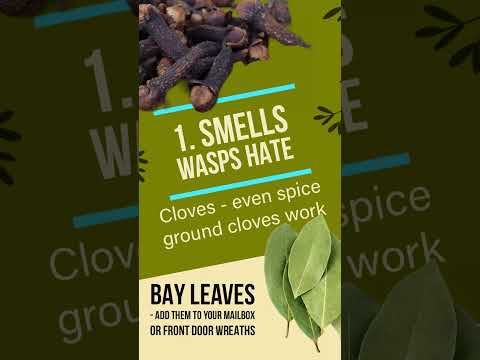
Trying natural repellents is a gentle way to keep bees at bay without hurting them. Scents like lemongrass, citronella, cinnamon, and even vinegar seem to make bees think twice about hanging around.
Just mix a bit of water with these scents, then spray the blend around entry points or wherever you like to sit outside. You might also want to plant some bee-repelling herbs, like peppermint or eucalyptus, near your doors.
If you can, skip strong perfumes or really bright clothes when you’re outdoors—bees just seem to love those. Using these natural deterrents helps you enjoy a peaceful, bee-free space, and you still let bees do their good work in your garden.
For more tips, check out this guide on how to keep bees out of your house.


