
Ever noticed wasps buzzing around your patio and wondered if a bowl of vinegar might actually help? Turns out, vinegar can repel wasps thanks to its strong smell.
A bowl of vinegar can help keep wasps away, but honestly, it works best when you use it with other tricks or as part of a trap.

Wasps really dislike the sharp scent of vinegar. If you mix vinegar and sugar in a bowl, you’ll attract and trap them.
Vinegar alone won’t solve a huge wasp problem, but it’s a natural, easy way to cut down on their activity—no harsh chemicals needed.
If you want to enjoy your yard without those annoying wasps, it helps to know how vinegar works and how to use it right.
Let’s look at a few simple ways to make vinegar traps and sprays that can actually keep wasps under control around your home.
Does a Bowl of Vinegar Keep Wasps Away?
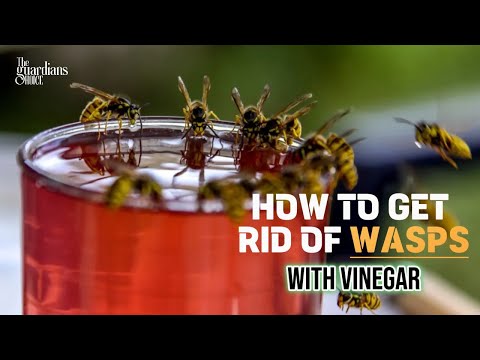
If you’re hoping to keep wasps away without chemicals, vinegar is worth a shot. Its strong smell messes with wasps, but the type of vinegar and how you use it really matter.
You’ll need to pay attention to when and where you set out your vinegar bowl for the best shot at success.
How Vinegar Affects Wasps
Vinegar contains acetic acid, which gives off a strong, pungent odor that wasps can’t stand. Wasps rely on their sense of smell to find food, so vinegar’s scent can throw them off or just drive them away.
When wasps get close to a bowl of vinegar, many will steer clear because of the smell. Vinegar doesn’t kill wasps right away, though. It mostly acts as a repellent, helping keep patios and gardens a little more peaceful.
You can also mix vinegar with soap, which helps the solution stick to wasps and knocks them off nests. But honestly, a bowl with just vinegar works best for keeping wasps away, not killing them directly.
Types of Vinegar for Repelling Wasps
Not every vinegar works the same way. Most people use either apple cider vinegar or white distilled vinegar.
- Apple cider vinegar smells a bit sweeter, so it can attract wasps at first but trap them once they land.
- White vinegar is sharper and stronger, which wasps seem to avoid.
You can use either in a bowl or a bottle trap. If you mainly want to keep wasps away, white vinegar might work better. If you’re aiming to lure and trap them, apple cider vinegar does the job.
Effectiveness of Vinegar Bowls Versus Other Methods
A bowl of vinegar offers a simple, non-toxic way to cut down on wasps. But it’s not magic. Vinegar works best as a temporary fix and won’t stop a full-blown wasp infestation, especially if there’s a nest nearby.
Other natural options, like planting wasp-repelling plants or using vinegar sprays, can boost your results. Sometimes, you’ll need commercial traps or even call pest control for bigger issues.
| Method | Strengths | Limitations |
|---|---|---|
| Vinegar Bowl | Easy, non-toxic, cheap | Temporary, less effective with nests |
| Vinegar Spray | Can repel wasps on contact | Needs regular reapplication |
| Commercial Traps | More effective for infestations | Costs more, may use chemicals |
Safe Usage and Limitations
When you use vinegar in open bowls, place them outside where wasps hang out—think gardens or picnic tables. Avoid setting them near delicate plants since vinegar can harm them if spilled.
Vinegar won’t kill wasps right away, so it might not stop aggressive wasps near a nest.
Vinegar is great for repelling wasps safely, but it won’t replace full removal or heavy-duty pest control if you’re dealing with a serious infestation.
If you want details on making vinegar traps, check out how to get rid of wasps with vinegar.
Homemade Wasp Solutions Using Vinegar

You can use vinegar to manage wasps pretty easily. Set up traps or whip up sprays using stuff you probably already have, like dish soap and sugar.
Some people add peppermint oil to make these homemade solutions even better at repelling or killing wasps before they get out of hand.
Vinegar-Based Wasp Traps and How They Work
Make a wasp trap with a bowl or an old plastic bottle. Just fill it with a mix of vinegar and sugar water.
The sugar draws in the wasps, while the vinegar confuses them and eventually kills them.
Here’s a quick way to make the trap:
- Mix equal parts white vinegar and water.
- Add 2 cups of sugar.
- Pour the mixture into a deep bowl or bottle.
- Toss in a few drops of dish soap if you want—the soap breaks the surface tension so wasps drown instead of just landing on top.
Set the trap near nests or in spots where you see wasps often. Wasps get lured by the sweet scent, but the vinegar keeps them from escaping.
This method helps cut down their numbers without using harsh chemicals. You can see more examples of this trap here.
Vinegar Spray Recipes for Wasp Control
If you’d rather spray than trap, that works too. Mix equal parts white vinegar and water in a spray bottle.
Spray it directly on wasp nests to encourage them to leave. You can also spritz it around tables or food areas to keep wasps at bay.
Add a little dish soap to help the vinegar stick to wasps and nests—it makes everything more effective. The spray won’t always kill wasps on the spot, but it does a good job of making them think twice about coming back.
Both white distilled vinegar and apple cider vinegar work for this kind of DIY spray. If you’re looking to avoid pesticides, vinegar sprays are a natural pick, and you can find step-by-step instructions here.
Enhancing Vinegar Remedies With Other Ingredients
You can really amp up your vinegar remedies with a few extra ingredients. Peppermint oil, for example, works wonders at keeping stinging insects away. Just toss in a few drops to your vinegar spray or trap, and you’ll probably notice wasps steering clear.
Dish soap helps a lot too. It breaks the water’s surface tension, so if a wasp lands on your mix, it can’t just fly off—it sinks.
If you mix sugar with vinegar, you’ll lure wasps in because they love sweet stuff. The vinegar then does the dirty work.
For getting rid of wasp nests, you might try spraying WD-40 after using vinegar. It can knock them down pretty fast, though honestly, always be careful with nests.
With these tweaks, your basic vinegar solution turns into a much more effective wasp repellent. If you want more ideas for souped-up vinegar sprays, check out this guide.


