
So, a bee lands on you, and you probably think, “Am I about to get stung?” Honestly, nope—most bees won’t sting you just for landing on your skin. Bees aren’t out to hurt you; sometimes they’re just curious or maybe your scent caught their attention.

It’s totally normal to feel a little nervous. But if you manage to stay calm, you’re already ahead. When you panic or start swatting, that’s when the bee might get defensive and sting.
Understanding why bees land on people can actually help you avoid trouble. If you know how to react, you’ll probably get through the moment without any drama.
Will a Bee Sting If It Lands on You?
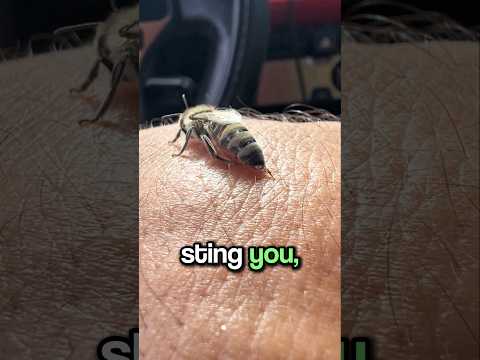
When a bee lands on you, it usually isn’t looking to sting. Bees get curious about smells or colors, so sometimes they’re just checking things out.
If you know what affects their behavior and how bees act around people, it’s easier to stay chill and safe.
Bee Sting Risk When a Bee Lands on You
Honestly, the risk of getting stung just because a bee landed on you is pretty low. Bees only sting to protect themselves or their hive.
If you stay still and don’t swat, the bee usually leaves you alone. Honey bees and bumblebees can sting, but they’d rather not.
They save their stings for emergencies. Most bees that land on you are probably just investigating your scent or searching for flowers, not looking for a fight.
If you make a sudden move or try to brush the bee off, that’s when things go sideways. Quick, jerky movements make bees nervous, and that’s when you’re more likely to get stung.
So if one lands on your arm, try to stay calm. That’s your best shot at avoiding a sting.
Factors Influencing Bee Stinging Behavior
A few things play into whether a bee will sting after it lands. Your reaction is a big one.
Fast or rough movements can make the bee feel threatened. That’s when it might sting to defend itself.
The type of bee matters, too. Honey bees tend to sting more than some other pollinators, but even then, they avoid it if they can.
Bumblebees can sting but don’t do it as often. Your scent, the colors you wear, and even what you touched recently can make a difference.
Floral perfumes or bright clothes seem to attract bees more. If you disturb a hive or a bee senses danger, it might release a warning scent, which can bring more bees your way.
Typical Bee Reactions to Human Encounters
Most of the time, bees stay pretty calm around people—unless you threaten them. Sometimes they land because you smell interesting, maybe like sweat or soda.
Bees might just walk or hang out on your skin for a bit. If you don’t freak out or flail, they’ll usually fly off after a moment.
This is more about curiosity than aggression. But if a bee feels trapped or scared, it could sting to defend itself.
Still, most encounters end without any stings if you keep your cool. Knowing this can help you feel less anxious and enjoy being outside with these helpful pollinators.
If you want even more details, check out Will a Bee Sting If It Lands on You? Understanding Bee Behavior and Reactions.
Types of Bees and Similar Insects

When you’re outdoors, you’ll run into different bees and some bugs that look similar. Some can sting, but their behavior and how risky they are really varies.
If you know which is which, it’s easier to stay calm and safe.
Honey Bees vs. Bumble Bees
Honey bees are smaller and have slender, fuzzy bodies. They live in big colonies, and only the females can sting.
When a honey bee stings, it usually dies because its stinger gets stuck. Bumble bees look bigger and rounder.
They’ve got soft, hairy bodies shaped kind of like an oval. Bumble bees can sting more than once since their stinger doesn’t get stuck.
Even though they don’t sting as often, it can hurt more. Both types are usually chill and only sting if they feel threatened.
You can tell them apart by their size and body shape.
Carpenter Bees and Male Bees
Carpenter bees look a lot like bumble bees, but their backs are shiny and smooth. Female carpenter bees can sting, but they rarely do.
They’re not aggressive. Male carpenter bees don’t have stingers at all, so they can’t sting you, even if they buzz around or hover close.
Male bees get mistaken for worker bees sometimes, but they can’t defend themselves by stinging. If you see a big bee flying near you, it might just be a harmless male—so no need to stress.
Wasps and Yellow Jackets Compared to Bees
Wasps and yellow jackets look slimmer than bees, and they don’t have as much hair. You’ll usually spot those bold yellow and black stripes right away.
Unlike most bees, wasps and yellow jackets can sting over and over. They also tend to act more aggressive if you mess with them.
Yellow jackets really go on the defensive when you get near their nests. Wasps might get mistaken for bees, but their smooth bodies and those quick, darting moves make them stand out.
Honestly, it’s smart to stay alert around wasps and yellow jackets. Their stings hurt more and sometimes cause bigger reactions.
If you want to dig deeper into how they act and why their stings feel different, check out this detailed guide on types of bees that sting and their behavior.


