
If a wasp lands on you, try your best to stay calm. Don’t make sudden moves or swat at it—wasps sting when they feel threatened.
Gently brush the wasp off or blow on it to nudge it away. Sometimes, just waiting a second or two works surprisingly well.

Wasps usually don’t want to sting unless they feel threatened. If you keep still, you’re less likely to get stung.
Sometimes, a wasp lands on you because it’s curious about your sweat or the scent of your perfume. Knowing this can help you avoid attracting them in the first place.
Yeah, it might feel scary at first, but being gentle and calm actually helps. You’ll probably avoid a sting if you don’t panic.
Immediate Actions When a Wasp Lands on You

When a wasp lands on you, slow down and keep your movements relaxed. Quick, jerky motions can set off a sting, especially with aggressive types like yellowjackets.
Carefully brush the wasp off or deal with it in your clothing if you need to. Staying gentle is your best bet.
Stay Calm and Avoid Sudden Movements
Honestly, the most important thing is to keep calm. Wasps aren’t out to get you unless they feel threatened.
If you flail or wave your arms, you might scare the wasp and trigger a sting. Try to breathe steady and resist the urge to panic.
If the wasp is on you, just slowly walk away from the area. Don’t wave your arms or swat at it.
This way, the wasp won’t feel trapped or attacked. Swatting just makes things worse.
Passive Behavior Versus Aggressive Reactions
If you don’t make sudden or aggressive moves, you’re being passive. Staying still or moving gently gives the wasp a chance to leave on its own.
If you hit or swat at the wasp, it’ll probably sting in defense. Yellowjackets, in particular, don’t hesitate to sting when provoked.
By staying chill and relaxed, you lower your chances of getting stung. Screaming or running only makes the wasp more interested in following you.
How to Safely Brush a Wasp Off
When the wasp is on your skin or clothes, gently brush it off. Use a slow, light motion with your hand or maybe a soft cloth.
Don’t crush the wasp—it can release alarm chemicals and attract more wasps. Just lightly sweep it away, nothing dramatic.
If it won’t budge, try softly blowing on it. That usually convinces the wasp to fly off without feeling threatened.
What to Do If a Wasp Gets Stuck in Clothing
If a wasp crawls into your clothes, stay calm. Don’t shake or panic, since that can trap the wasp closer to your skin.
Instead, slowly remove the piece of clothing if you can. If that’s not possible, gently brush the wasp off the fabric.
Head to an open area or outside so the wasp has a clear escape. Wearing tight clothing in wasp-prone spots isn’t the best idea, honestly.
What Attracts Wasps and Preventing Encounters
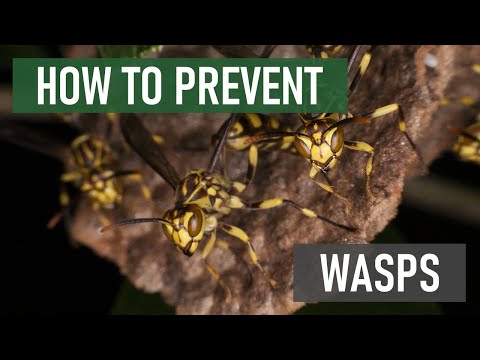
Wasps love certain foods, smells, and even colors. If you know what attracts them, you can dodge a lot of unwanted run-ins.
Common Reasons Wasps Land on People
Wasps go for food and sugary drinks. They’re drawn to sweet stuff like soda, fruit, or meat.
If you’re eating outside, cover your food to keep wasps away. Bright colors and floral patterns on clothing also catch a wasp’s attention.
Try wearing light, neutral colors if you can. Strong perfumes or scented lotions can make you seem like a giant flower.
Sometimes wasps just want to check out shiny jewelry or explore new things. Staying calm and moving slowly helps them lose interest.
Recognizing Wasp Behavior Near Nests
Wasps guard their nests like little sentries. If you see wasps flying back and forth near a tree, bush, or wall, there’s probably a nest.
Yellowjackets act more aggressive around their nests, especially as summer winds down. If you keep running into wasps in one spot, a nest is probably close.
Be careful and avoid those areas. Carpenter bees and ants might hang out in similar places, so keep an eye out for different bugs.
If you spot a nest, don’t try to remove it yourself. Call pest control—they have the right gear for the job.
Tips for Reducing Wasp Attraction Outdoors
Let’s be honest—nobody wants to deal with wasps while relaxing outside. Try these tips to keep them at bay:
- Don’t wear bright clothing or anything with a floral pattern. Wasps seem to love those.
- Go easy on the perfumes, colognes, or scented lotions. They can really draw attention.
- Always cover your food and drinks. Wasps will go straight for anything sweet or meaty.
- Get rid of standing water. Wasps look for places to drink, so don’t make it easy for them.
- Make sure you keep trash bins sealed up tight.
- Seal up any cracks or holes around your place. Wasps love sneaking into little gaps to build nests.
If you set up wasp traps, keep them well away from where you’re sitting. That way, you’re not inviting them closer.
Just staying alert and building these habits can really lower your chances of a wasp landing on you. Who wouldn’t want that?
You can dig deeper into what attracts wasps—and how to steer clear of them—at what attracts wasps and how to keep them away.


