
Wasps can ruin a good time outside in no time. If you spot a nest or see wasps buzzing around, you probably want a quick fix.
The fastest way to kill wasps instantly is by using insecticide sprays or a homemade dish soap and water mix. These work best when you spray wasps directly—they’ll drop almost right away.

Sprays let you tackle wasps on the spot, especially around patios, pools, or gardens where they seem to hang out the most. Some people pour hot water and dish soap over nests to get rid of them without using harsh chemicals.
Knowing what kills wasps instantly helps you keep your family and your outdoor fun safe from stings and buzzing pests.
If you’re tired of dodging wasps every time you step outside, learning the best ways to deal with them now can make your yard a lot more comfortable. This guide will walk you through simple steps to stop wasps fast so you can actually enjoy being outside again.
For more, check out 7 ways to kill wasps instantly.
Instant Methods for Killing Wasps

If you want wasps gone fast, you’ve got a few options. Some use sprays that kill right away, while others rely on household stuff or traps.
For big infestations, sometimes you just need to call in the pros.
Wasp Spray and Insecticide Spray
Wasp sprays and insecticides work fast. They’re made to kill wasps on contact, and you can reach nests from a decent distance.
When you spray directly on wasps or their nest, they die almost instantly.
Wear protective gear like gloves and goggles. Spray early in the morning or late in the evening when wasps aren’t as active.
Make sure you cover the whole nest so the wasps don’t come back.
Most chemical sprays keep working after you use them, so they’ll keep killing any wasps that return. Don’t spray near your plants or pets, though.
You can find more info on sprays in this chemical insecticides guide.
Soap and Water Solution
A dish soap and water mix is a simple, natural way to kill wasps. The soap coats their bodies and suffocates them.
Mix a few tablespoons of dish soap with water in a spray bottle. Spray wasps or nests directly, especially when they’re sleepy in the early morning.
This method’s safe for the environment and easy to try at home. It doesn’t leave behind any nasty chemicals.
Just make sure you soak the whole nest for the best effect. Here’s more on natural wasp killers.
Wasp Traps and Homemade Wasp Traps
Wasp traps help cut down on the number of wasps around your place. You can buy them or make your own out of stuff like plastic bottles and sugary bait.
To make a homemade wasp trap, cut the top off a plastic bottle and flip it inside the bottom. Pour in a mix of sugar, water, and a splash of vinegar.
Wasps fly in but can’t get out.
Set traps away from where you hang out so wasps don’t bother you. Traps take a bit longer, but they do help lower the wasp population.
You can get more tips in this article on homemade wasp traps.
Professional Pest Control Services
If you’re facing a big wasp problem or the nest is tough to reach, call a pest control pro. They have the tools, experience, and gear to handle wasps safely.
Professionals use strong insecticides and methods that wipe out wasps right away and keep them from coming back.
A pest control expert can spot all the nests and treat the area thoroughly.
If you want fast, safe, and lasting results, a professional can save you time and hassle. Check out more about professional pest control services for wasps.
Types of Wasps and Related Safety Concerns
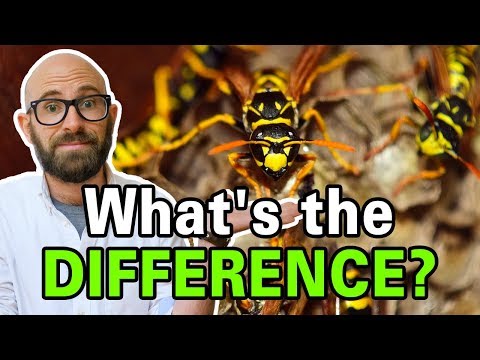
Wasps come in a bunch of types, and each kind acts a little differently. Some are more dangerous than others.
Knowing which kind you have around helps you keep safe and pick the best way to deal with them.
Common Wasp Species
You’ll usually see yellow jackets, hornets, paper wasps, red wasps, and mud daubers. Yellow jackets get aggressive and sting more than once.
Hornets are bigger and their stings hurt a lot. Paper wasps build umbrella-like nests and usually won’t bother you unless you mess with them.
Mud daubers make little mud nests and rarely sting, so they’re not much of a threat.
Each species builds different nests. Yellow jackets go underground, while paper wasps build open nests under eaves.
Spotting the nest early can help you steer clear.
Handling Wasp Nests and Stings
If you find a wasp nest, don’t mess with it yourself. Wasps defend their nests fiercely and can sting several times.
Wear protective clothing if you absolutely have to get close.
Wasp stings hurt, swell up, and itch. Some people have allergic reactions.
If someone has trouble breathing after a sting, call for emergency help right away.
Try not to wave your arms or make sudden moves—wasps hate that and it’ll just make things worse.
Natural Remedies and Repellents
Try planting mint around your patio or garden. Wasps really can’t stand the scent, so it works as a nice, non-toxic way to keep them at bay.
Some people hang up fake wasp nests. Wasps usually steer clear if they spot what looks like another colony.
You might also want to use sprays made from essential oils. These can offer a safer alternative to harsh chemicals when you’re dealing with wasps near your home.
If you’re curious about more ways to kill wasps instantly, take a look at some methods over at What Kills Wasps Instantly.


