
When you spot a bee buzzing nearby, you might wonder—are bees good, or should you worry? Honestly, bees do a lot for nature. They mostly help plants grow by pollinating them.
Most bees support the environment and actually help produce the food you eat every day.

Still, not every bee behaves the same. Some bees can get pretty aggressive or even cause damage, but calling them “bad” is a bit too simple. If you learn the difference between helpful bees and those that might cause problems, you might see them in a new light.
You’ll pick up how to spot which bees you should welcome and which ones you might want to avoid. This can help you protect the good bees while steering clear of trouble with the others.
Understanding If a Bee Is Good or Bad
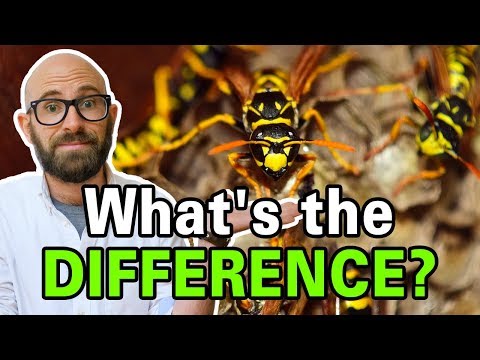
Bees take on all sorts of jobs in nature. Some help out a lot, while others might cause headaches. If you can spot the good bees from the risky ones, you’ll get a better sense of their impact on your surroundings.
What Makes a Bee Good or Bad?
Bees aren’t all the same, and whether a bee is “good” or “bad” really depends on how it acts and what it does. Good bees, like honey bees, usually just focus on gathering nectar and pollinating plants.
They don’t tend to sting unless you give them a reason. Bad bees act more aggressively and might sting without much warning.
Their stings can hurt and even trigger allergies for some people. Sometimes, people confuse wasps or hornets with bad bees because they act similarly.
You can figure out which bees are which by watching how they behave around you and the plants. Aggressiveness and their interactions are big clues.
Good Bees: Helpful Roles and Benefits
Good bees make pollination happen, which is key for plants, gardens, and crops. Without bees, growing a lot of fruits and veggies would be a struggle.
They also keep biodiversity alive by supporting all sorts of flowers and plants. Honey bees go a step further and make honey, which people enjoy and sell.
These bees usually stay calm and only sting if they feel threatened. Sometimes, if a bee lands on you, people even say it’s good luck—it probably just means the bee isn’t scared.
Bad Bees: Potential Risks and Concerns
Bad bees—or just stinging insects in general—can cause safety problems, especially if they get aggressive near your house or yard. Their stings hurt, and for people with allergies, they’re actually dangerous.
Some species attack even when you haven’t bothered them. They might ruin crops or compete with helpful bees for food, which can affect your garden or farm.
You’ll want to spot the dangers early. If you find aggressive nests close by, it’s smart to get professional help. Protecting yourself and your family means knowing how to avoid run-ins with the bad ones.
If you want to dig deeper into different types of bees and their behavior, there’s a good guide on good and bad bees.
Common Bee Species and Their Impact

Bee species affect your environment in their own ways. Some help pollinate plants and make honey, while others might cause damage or be a little risky because of how they act.
If you know the differences, you can decide which bees to let be and which ones you might need to deal with.
Honeybees and the Gift of Honey
Honeybees have a reputation for making honey, which you can use as a sweetener. They live in big colonies with thousands of bees working together.
These bees play a huge role in pollinating crops and plants. Usually, honeybees stay gentle if you leave them alone.
If you keep a hive, you can get honey and enjoy their pollination work. They also help a ton of different plants in both gardens and farms.
Other bees, like mason bees and leafcutter bees, help with pollination too, but they don’t make honey. Honeybees really stand out because they make honey and work together in big groups.
Carpenter Bee and Property Damage
Carpenter bees look bigger than honeybees and can seem a bit intimidating with their shiny black bodies. They don’t make honey, but they do pollinate certain plants.
Here’s the problem: they drill holes in wood to build their nests. If you spot these bees near your wood deck or fence, you might get worried about damage.
Over time, carpenter bees can weaken wood structures by tunneling inside. That turns them into a headache for homeowners who want to keep their property in good shape.
If you want to keep carpenter bees away, you can seal up wood surfaces or use deterrents. They’re not as aggressive as some bees, but the damage they cause can be a real issue.
Africanized Bees: The Danger of Aggression
Africanized bees might look just like regular honeybees, but honestly, they’re way more aggressive. People often call them “killer bees” because they’ll defend their nests with surprising intensity.
If you get too close, these bees can swarm and attack in large numbers. That’s not something anyone wants to deal with.
They react quickly and their stings hurt—a lot. Unlike regular honeybees, Africanized bees can sting over and over again, which just makes them even more of a risk.
Sure, they still pollinate plants and help out crops, but their aggressive nature means you really need to be careful. If you ever spot a colony near your house, don’t try to handle it yourself. It’s definitely safer to call in a professional for removal.
Curious about bee behavior? You can always check out Good Bees and Bad Bees for more info.


