
When you spot a bee moving slowly or just resting somewhere, it’s natural to wonder—does it just need a quick break, or is it actually dying?
You’ll usually notice a dying bee by its tattered wings, a dark or shriveled body, or if it’s just hanging onto a flower without much movement. A tired bee, though, moves sluggishly but still has decent-looking wings and might respond if you gently nudge it.

If you know the difference, you can figure out whether the bee just needs a quick rest or if it’s in real trouble.
Watching what a bee does, where it is, and how it looks will give you some pretty solid clues about what’s really going on. This can really matter if you want to help out these important pollinators.
How To Tell If A Bee Is Dying Or Tired
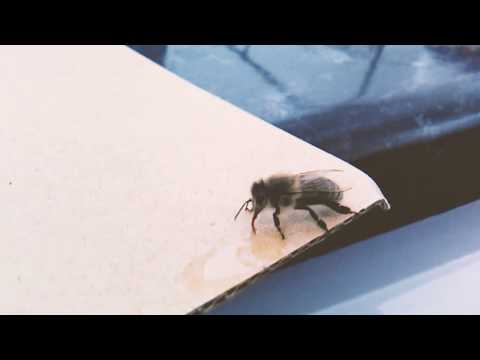
It’s not always obvious if a bee just needs to chill for a bit or if it’s close to the end.
Paying attention to how it acts, what its body looks like, and how it moves will help you figure it out.
Signs of a Tired Bee
A tired bee usually moves slowly and might seem a bit weak. It struggles to fly but still tries to scoot around.
Its wings look fine, and it’ll usually react if you gently touch it.
You might spot tired bees resting on flowers or even on the ground nearby. Sometimes, they curl their legs or fold their wings in while catching their breath.
Tired bees need sugar water or nectar to perk up again.
They don’t show damage on their body or wings. Even though they’re slow, they still move in a coordinated way and respond to their surroundings.
You can help a tired bee by offering some sugar water or just letting it rest in a safe spot.
Identifying a Dying Bee
A dying bee looks much worse off. Its wings look tattered or broken, and it usually can’t fly or walk well at all.
You’ll notice its body might be darker, missing hairs, or even look shriveled.
Dying bees tend to cling tightly to flowers or just stay on the ground, barely moving. Sometimes, they twitch or writhe, and if they’ve been poisoned, you might see their tongue hanging out.
If the wings are really torn and the bee’s movements seem weak or off-balance, it’s probably near the end of its life.
These bees almost never recover, so there’s not much you can do to help.
Physical and Behavioral Differences
| Feature | Tired Bee | Dying Bee |
|---|---|---|
| Wings | Intact, clean | Tattered, bent, or broken |
| Movement | Slow but coordinated | Uncoordinated, twitching, or still |
| Body appearance | Normal hair and color | Dark, hairless, or shriveled |
| Reaction to touch | Responsive | Little to no response |
| Location | Resting on flowers or surfaces | Clinging or on the ground |
Tired bees keep their basic functions going and can bounce back with a bit of rest. Dying bees lose coordination and show clear physical and behavioral damage.
If you watch for these differences, you’ll be able to decide if the bee needs help or if it’s best to just leave it be.
For more details, you can check out this guide on how to tell if a bee is dying or tired.
How To Support Tired or Distressed Bees

You can help tired or stressed bees by giving them quick energy, offering safe places to rest, and making your outdoor space more bee-friendly.
Sometimes, though, you’ve just got to let nature handle things.
Reviving a Tired Bee Safely
When you find a tired bee, try giving it a simple sugar water mix. Combine one part white sugar with one part water and put a few drops near the bee’s mouth.
Be gentle—don’t touch the bee with your hands if you can help it. Use a spoon or dropper instead.
Let the bee rest somewhere safe, like on a shallow dish or a flower nearby. If it regains energy, it’ll usually fly off on its own.
Skip honey or artificial sweeteners—they can actually hurt the bee.
Creating a Bee-Friendly Environment
Planting flowers like lavender, sunflowers, and clover attracts bees and gives them food.
Ditch pesticides or harsh chemicals in your garden. These can really mess with bees.
Set out shallow dishes of fresh water with stones or twigs so bees have a safe place to land and drink.
Keep your garden filled with different flowers that bloom at various times. That way, bees always have something to eat, no matter the season.
When Not to Intervene
Sometimes, a bee just can’t recover. You’ll notice ragged wings, a darkened body, or maybe it doesn’t even react to sugar water.
If you spot a bee that looks injured or doesn’t perk up after a bit of rest, it’s probably best to let it be. Trying to help in those cases usually just stresses the bee out more.
Not every bee you see on the ground is tired—some are just taking a break or, who knows, maybe it’s a queen pausing for a moment.
Only step in if the bee seems worn out but still has a shot at bouncing back with a little help. Curious about how to revive a tired bee? Check out tips for helping them safely.


