
So, you’ve spotted bumble bees buzzing around your yard and you’re probably wondering if you should do something about it. These little guys are actually super important pollinators—they keep plants growing and help produce the food we eat.
In most situations, it’s better to leave bumble bees alone instead of trying to get rid of them.

But hey, if you or someone in your family has allergies, or if bees have set up shop in a spot that feels a bit too close for comfort, you might need to step in. Don’t worry; you can handle bumble bees safely and naturally, without hurting them or yourself.
Knowing when to act and how to do it makes all the difference for your home and garden. Let’s break down when it’s totally fine to let bumble bees stick around, and what to do if they need to move.
Why and When Should You Get Rid of Bumble Bees?

Bumble bees do a ton of good for your garden and the environment, but sometimes their presence just doesn’t work for everyone. Figuring out when to take action—and what risks to look out for—helps you make the safest call for you and the bees.
Understanding the Role of Bumble Bees in the Ecosystem
Bumble bees make a huge difference as pollinators, helping plants grow and produce fruit. They use something called buzz pollination—it’s honestly pretty cool—which shakes pollen loose from flowers.
This makes them super effective for crops like tomatoes and blueberries. Without bumble bees, your garden and local plants might not bloom as well.
They also keep nature in balance by pollinating wild plants. Their numbers have dropped in some places, so it’s a good idea to avoid harming them when you can.
Potential Risks of Bumble Bee Nests Near Homes
Bumble bees usually hide their nests underground or in quiet spots like sheds. If they build a nest close to your house or spots where people hang out, stings can happen—especially if someone has allergies.
Bumble bee stings hurt and can be dangerous for sensitive folks. Nests near play areas, doorways, or where pets roam bump up the chances of accidental stings.
You might even notice a swarm hanging around a sweet-smelling spot, which could draw them in.
Situations Where Removal May Be Necessary
Think about removing bumble bees only if their nest really threatens safety. If you or someone in your family is allergic to bee stings, or if the nest is smack in the middle of a busy area, it’s probably time to do something.
Skip the harsh chemicals. Try safer options like gently moving the nest or using natural repellents.
Humane removal keeps you safe and protects bumble bees, who honestly do a lot for the planet.
If you want more info about handling bumble bee nests, check out how to get rid of bumble bees humanely.
Safe and Humane Ways to Get Rid of Bumble Bees
You can move bumble bees out of your space without hurting them. Learn how to spot their nests, use natural repellents, set up traps, or call in the pros if you need backup.
These methods focus on keeping you and the bees safe, so you don’t have to worry about harming these helpful pollinators.
Identifying Bumble Bees and Their Nests
First things first: figure out if you’re actually dealing with bumble bees and not some other kind of bee or wasp. Bumble bees look big and fuzzy, usually black with yellow stripes, and they don’t zip around as fast as other bees.
Their nests usually sit underground, often in old rodent holes or thick grass. Sometimes, you’ll find nests in hollow spots—walls or piles of leaves, for example.
Watch for bees flying low to the ground or popping in and out of small holes. Mark the spot so you don’t accidentally disturb them before you’re ready.
Knowing where they live makes it easier to plan a safe removal and prevent new colonies from popping up nearby.
Using Natural Bee Repellent Solutions
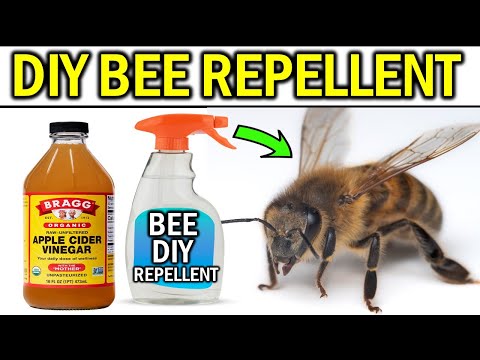
Natural repellents can help you move bumble bees along without using nasty chemicals. Try essential oils like peppermint, almond, or citronella—bees really don’t like those smells.
Mix a few drops with water and spray around your home or garden. You can also plant bee-repellent herbs like mint, eucalyptus, or garlic to keep them at bay.
Almond oil works great near their nesting spots because it’s got a strong scent. Don’t spray repellents right on the bees.
Just focus on the entry points and the areas around the nest to gently encourage them to leave.
DIY Bumble Bee Trap Tips
If you want to try a DIY trap, go slow and make sure you’re not hurting the bees. Take a plastic bottle, cut off the top, and flip it inside the bottom to make a funnel.
Pour in a bit of soapy water or sugar water to attract them. Place the trap near the nest, but not right on top of it.
Check the trap often and let any bees you catch go outside. Traps can help lower the number of bees, but they probably won’t clear out the whole colony.
It’s best to use traps along with other gentle methods for better results.
Professional Bumble Bee Removal Options
Sometimes, the best way to deal with bumble bees is to call in the pros. They know how to remove nests without hurting the bees and usually move them somewhere safe.
These experts wear protective gear and use special tools for the job. They’ll also look around your place for hidden nests you might not spot.
If you or anyone nearby has a bee sting allergy, or if the nest sits in a tricky spot, hiring professionals just makes sense. This approach keeps both you and the bees safe, which honestly feels like a win for everyone.
Want more details on safe removal? Take a look at this guide on bumble bee removal.


