
Bees seem to have favorites when it comes to flowers and plants. If you know what they love, you can turn your garden into a buzzing paradise.
Bees go for flowers with bright colors like blue, purple, and yellow. They especially like those with single rows of petals, since it makes gathering nectar and pollen so much easier.

If you want more bees in your yard, picking the right flowers really matters. Try planting clover, blueberry flowers, and a mix of native annuals or perennials.
These plants give bees the food they need. Tossing a few into your garden can turn it into a bee magnet.
When you plant flowers that bees like, you support their pollination work. You help your own garden and give nature a little boost, too.
What Bees Love Most: Nectar, Pollen, and Their Favorite Flowers

Bees need nectar and pollen to stay healthy. They visit flowers that offer the best food.
If you know which flowers attract bees, you can make your garden a real bee hotspot.
Nectar and Pollen: The Essentials for Bees
Nectar is a sweet liquid that bees collect to make honey. It gives them energy to fly and work.
Pollen packs a protein punch. It helps baby bees grow and keeps the whole hive in good shape.
Honeybees and bumblebees both collect nectar and pollen from flowers. Without these, bees couldn’t survive or feed their young.
You can help by planting flowers that offer lots of both.
Popular Plants and Flowers Bees Love
Bees like flowers with open, single petals or tubular shapes. Some favorites? Sunflower, bee balm, purple coneflower, and catmint.
Herbs such as lavender and thyme also draw in lots of bees. Sunflowers give bees a big landing spot and plenty of pollen.
Bee balm’s bright, jewel-colored blooms seem to call bees over. These plants bloom in different seasons, so you can keep bees fed all year.
Check out more details at Bees Top Flower Picks.
Color and Scent: How Bees Choose Flowers
Bees see color in a totally different way than we do. They’re especially drawn to purple, blue, and yellow.
Bright colors help bees spot flowers from far away. Scent matters, too.
Sweet, strong smells guide bees to the flowers with the best nectar and pollen. Flowers like foxglove, comfrey, and campanula have scents that bees can’t seem to resist.
If you plant colorful and fragrant flowers, bees will keep coming back. Want more info? Check What Plants Do Bees Love The Most.
Top Bee-Friendly Plants and How to Attract Bees to Your Garden
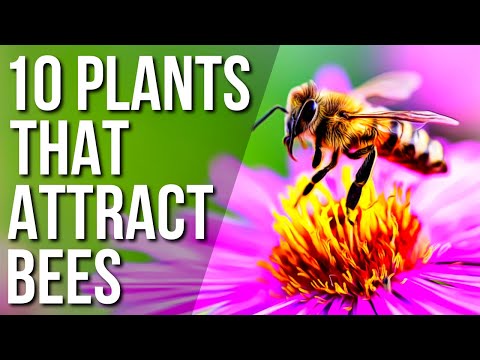
If you want your garden to be a bee favorite, plant flowers that make it easy for bees to get nectar and pollen. Choose plants that bloom at different times so bees keep coming back.
Mix in perennials, annuals, and herbs for a diverse bee habitat.
Best Perennial Flowers for Bees
Perennial flowers like coneflower (echinacea purpurea), black-eyed Susan (rudbeckia), and bee balm (monarda) give bees food year after year.
These plants bloom for a long time, offering steady support to local bees. Other good picks? Goldenrod (solidago), phlox, and catmint (nepeta x faassenii).
They bring bright colors and strong scents, which attract both bumblebees and honeybees. Joe-pye weed grows tall and has big clusters of flowers, so bees can land easily.
Make sure your perennials get enough sun and water. Sun-loving plants like sunflower (helianthus) also work great for bees.
Herbs and Annuals Bees Adore
Herbs such as lavender (lavandula), chives (allium schoenoprasum), sage, and borage are excellent for attracting bees.
Their small flowers produce lots of nectar. Plus, you can grow herbs in pots or right in the garden.
Annuals like zinnia, poppy (eschscholzia californica), and snapdragon (antirrhinum majus) bloom quickly and feed bees all summer.
These plants bring color and help bees gather pollen from different flower shapes. Try adding allium and pansy for even more variety.
Mixing these plants creates a colorful, fragrant space that keeps all kinds of bees buzzing.
Designing a Bee-Friendly Garden
If you want bees to visit, try planting a mix of flowers that bloom at different times. Group your plants together instead of scattering single flowers—bees seem to spot big patches more easily.
Skip double flowers; bees usually struggle to reach the nectar in those. Pick simple blooms that actually help them out.
Set up some sunny areas and let a bit of bare soil show. A lot of native bees dig their nests right into the ground.
Add plants like yarrow (achillea) and sedum so your garden still has blooms late in the season. Those late flowers can be a real lifesaver for pollinators.
Water your garden early in the morning. That way, bees can sip a bit if they’re thirsty, but the flowers won’t stay soggy all day.
Try natural pest control and steer clear of chemical sprays. It just makes sense—bees stay safer and healthier that way.
Looking for more inspiration? Check out this list of bee-friendly plants to attract pollinators.


